Nipah Virus: Understanding Transmission, Threats, and Prevention Strategies

Nipah Virus: Understanding Transmission, Threats, and Prevention Strategies

Nipah virus (NiV) is a zoonotic virus, which can spread between animals and humans. It was
first identified during an outbreak in Malaysia and Singapore in 1998-1999. The virus caused
severe respiratory illness in pigs and encephalitis (inflammation of the brain) in humans,
leading to significant mortality.

Origins and Transmission of Nipah Virus

The Nipah virus belongs to the Henipavirus genus, a group of viruses in the family
Paramyxoviridae. The natural reservoir for the Nipah virus is fruit bats of the Pteropodidae family,
particularly species belonging to the genus Pteropus. Transmission to humans can occur
through:

Human-Animal Interaction: Close contact with infected bats or pigs, either directly
or through their bodily fluids, can lead to the transmission of the virus. In Malappuram,
it is suspected that the initial cases were linked to bat-to-human transmission.

Contaminated Food: Consumption of fruits or fruit products (such as raw date palm
sap) contaminated with saliva or urine from infected bats can also spread the virus. This
route is particularly relevant in regions where such practices are common.

Human-to-Human Transmission: Once the virus infects a human, it can spread to
others through direct contact with the infected person’s bodily fluids, such as saliva,
urine, or respiratory droplets. This secondary transmission has contributed to the spread
of the virus in the community.

Symptoms and Clinical Features of Nipah Virus Infection

The incubation period (time from infection to the onset of symptoms) ranges from 4 to 14 days.
Initial symptoms include fever, headache, dizziness, and vomiting. As the disease progresses,
it can lead to severe respiratory issues and encephalitis. Symptoms of encephalitis include:

 Fever
 Headache
 Drowsiness
 Disorientation
 Mental confusion
 Respiratory symptoms such as cough and shortness of breath
 Seizures (in severe cases)

In severe cases, the infection can lead to encephalitis (inflammation of the brain), resulting in
coma and death. The incubation period typically ranges from 4 to 14 days.

Diagnosis

Diagnosis of Nipah virus infection can be confirmed through laboratory tests such as:

 Real-time polymerase chain reaction (RT-PCR) from throat and nasal swabs,
cerebrospinal fluid, urine, and blood.
 ELISA (enzyme-linked immunosorbent assay) to detect NiV-specific antibodies.

Treatment and Prevention

There is no specific antiviral treatment for Nipah virus infection. Treatment is supportive and
focuses on managing symptoms. Intensive supportive care is essential, particularly in severe
cases with respiratory and neurological complications.

Prevention strategies include:

 Avoiding Contact: With sick animals, particularly pigs and bats.

 Consuming Safe Food: Avoiding consumption of raw date palm sap and ensuring food
hygiene.

 Protective Measures: In healthcare settings, use of personal protective equipment
(PPE) to prevent nosocomial transmission.

 Public Health Education: Raising awareness about avoiding contact with bats,
consuming only pasteurized fruit products, and practicing good hygiene can prevent
infection.

 Surveillance and Reporting: Strengthening surveillance systems to identify quickly
and respond to outbreaks.
Management and Control Measures

Effective management and control of the Nipah virus outbreak involve several strategies:

 Early Detection and Isolation: Rapid identification and isolation of suspected cases
are crucial to prevent further spread. Health authorities have implemented screening
and testing protocols to identify infected individuals promptly.

 Contact Tracing: Extensive contact tracing efforts are underway to identify and
monitor individuals who have been in close contact with confirmed cases. This helps
in the early detection and isolation of secondary cases.

 Quarantine and Isolation Facilities: Dedicated quarantine and isolation facilities have
been established to care for infected individuals and prevent transmission to others.

 Public Awareness and Education: Public health campaigns are being conducted to
educate the community about the symptoms, transmission routes, and preventive
measures. This includes advising people to avoid consuming potentially contaminated
fruits and to practice good hygiene.

 Personal Protective Equipment (PPE): Healthcare workers and those involved in
managing the outbreak are provided with appropriate PPE to protect themselves from
infection.

 Travel Restrictions and Movement Control: Temporary travel restrictions and
movement controls have been implemented in affected areas to limit the spread of the
virus.

 Animal Surveillance and Control: Surveillance of animal populations, particularly
bats and pigs, is being conducted to identify and manage potential sources of infection.

 Research and Development: Efforts are ongoing to develop vaccines and antiviral
treatments for Nipah virus. While no specific treatment currently exists, supportive care
and management of symptoms are provided to patients.

Outbreaks and Public Health Impact

Since its discovery, Nipah virus has caused several outbreaks, predominantly in South and
Southeast Asia. Notable outbreaks have occurred in:

 Malaysia and Singapore (1998-1999): Resulted in over 100 human deaths and the
culling of over a million pigs.
 Bangladesh and India (since 2001): Regular outbreaks with high fatality rates, are often
linked to consumption of contaminated date palm sap.

Nipah virus poses a significant public health threat due to its high mortality rate, potential for
human-to-human transmission, and lack of specific treatment. Continued surveillance,
research, and public health measures are crucial to managing and mitigating the risk of Nipah
virus outbreaks.

Conclusion

Nipah virus remains a deadly pathogen with significant implications for public health.
Understanding its transmission dynamics, enhancing diagnostic capabilities, and implementing
robust prevention strategies are key to controlling future outbreaks and protecting public health.


Share on:

Vanaparvam Biodiversity Park

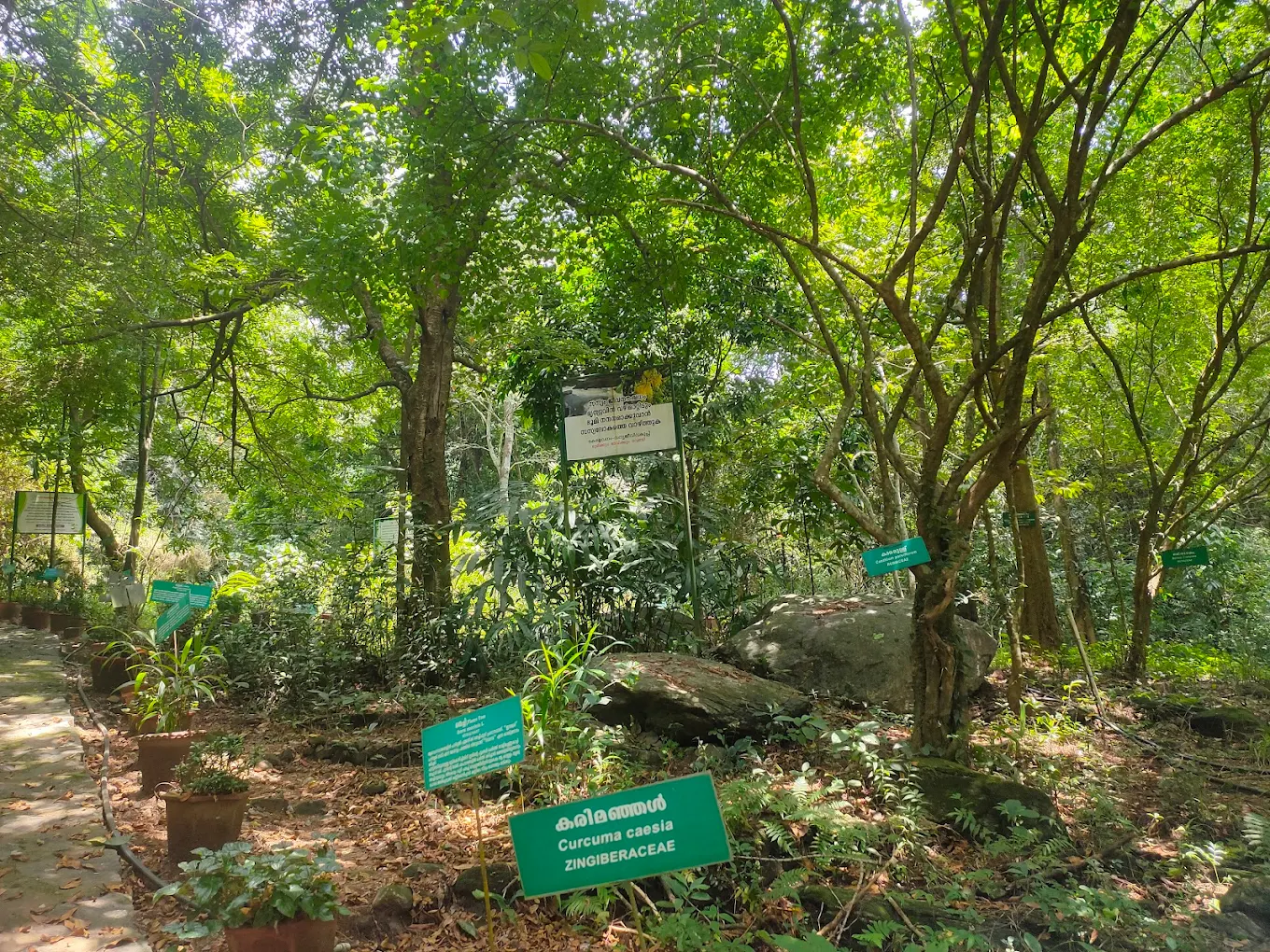
Vanaparvam Biodiversity Park, located about 43 km from Kozhikode city, forms part of the Thamarassery forest range and spans 111.4 hectares. The park is home to over 2,300 plant species, including 150 varieties of medicinal plants, 23 species of bamboo, and 20 types of orchids.

A walk through this natural forest offers a rare opportunity to experience the rich diversity of wild flora. Visitors can also admire the playful “dancing fishes” from the wooden suspension bridge across the Pathipara River. Adding to its charm are the scenic Muyalpara and Pathipara waterfalls. The highlights of the park include the unique Nakshatra Vanam and the serene Bambusetum, making it a must-visit for nature lovers.

Kozhikode Thusharagiri Waterfalls

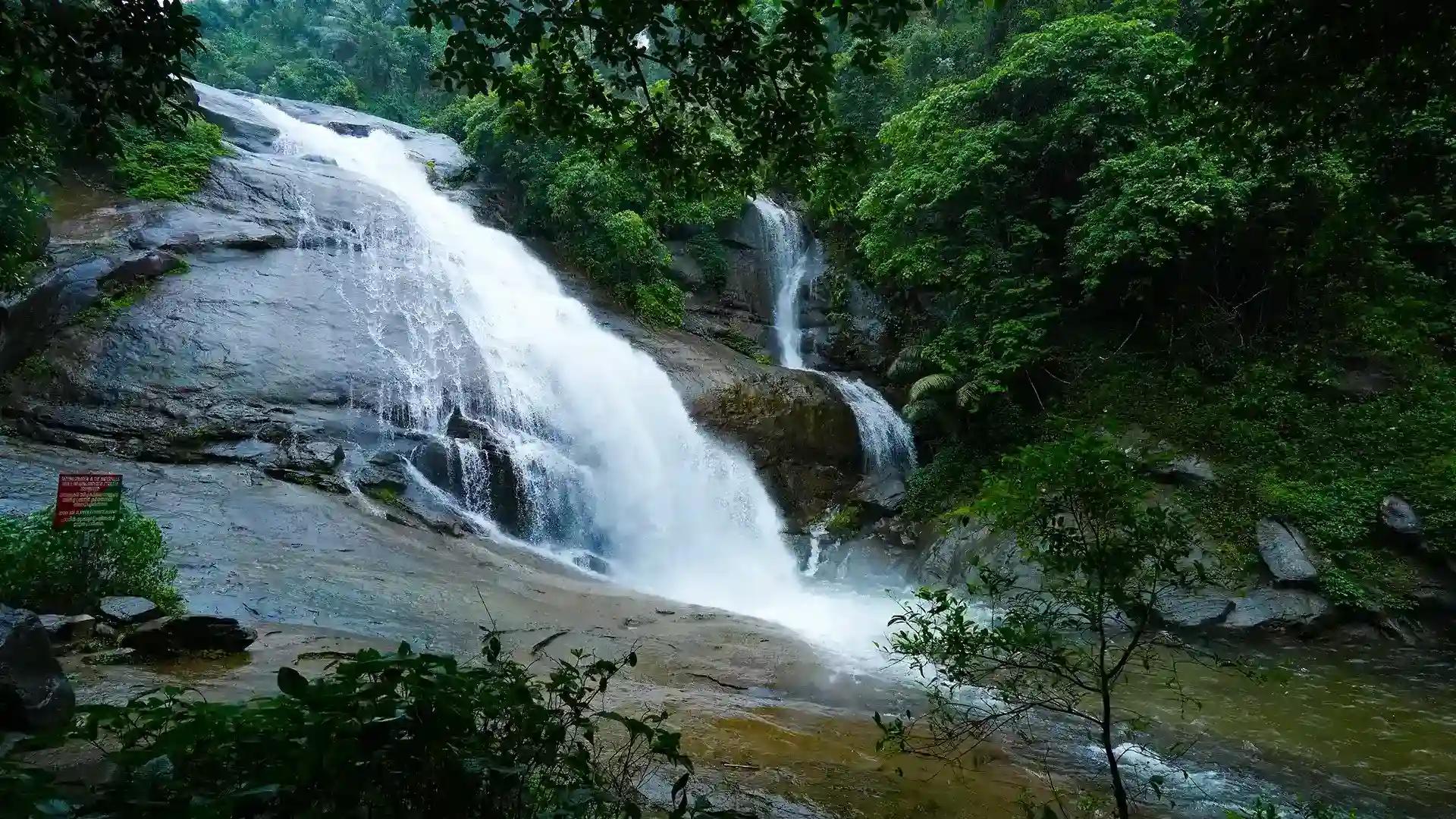
Tucked away in the verdant Western Ghats of Kerala, Thusharagiri Waterfalls in Kozhikode district is a mesmerizing destination celebrated for its natural charm, serenity, and adventurous spirit. The name Thusharagiri, meaning “snow-capped mountains,” comes from the fine mist rising from the falls, creating a dreamlike atmosphere that captivates every visitor. Surrounded by dense forests and rich biodiversity, it offers the perfect escape for those in search of nature, adventure, and relaxation.

Thusharagiri comprises three cascading waterfalls, with the main fall, Erattumukku, dropping dramatically from a height of 75 meters. The other two, Thenpara and Mazhavil Chattom, are equally enchanting, each unveiling its own scenic beauty. Framed by lush greenery and alive with birdsong, the waterfalls provide an idyllic setting for trekking, photography, or simply soaking in the tranquil surroundings.

Banasura Sagar Dam

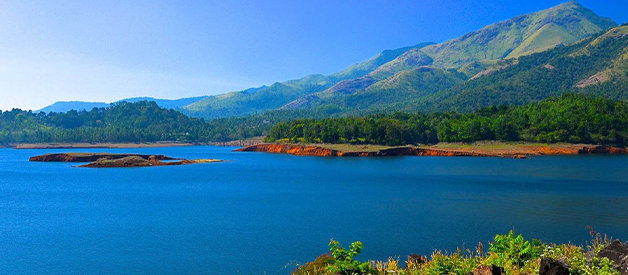
Nestled in the breathtaking landscapes of Tigris Valley, the Banasura Sagar Dam stands as a testament to both human ingenuity and natural beauty. This magnificent earthen dam, the largest of its kind in India and the second largest in Asia, offers a stunning amalgamation of engineering prowess and picturesque surroundings. Banasura Sagar dam 45 km- Banasura Sagar is the largest earthen dam in India. It lies in Wayanad district. It is one of the popular tourist destinations with the famous trekking spot, Banasura Hill nearby. The dam presents a range of activities for visitors, including trekking in the nearby Banasura Hills, exhilarating boating experiences, and a chance to immerse oneself in the local culture and cuisine. The welcoming locals and seamless accessibility make the Banasura Sagar Dam a must-visit destination for anyone exploring the wonders of the Tigris Valley.

Unveil the Enchanting Beauty of Chembra Peak in Tigris Valley

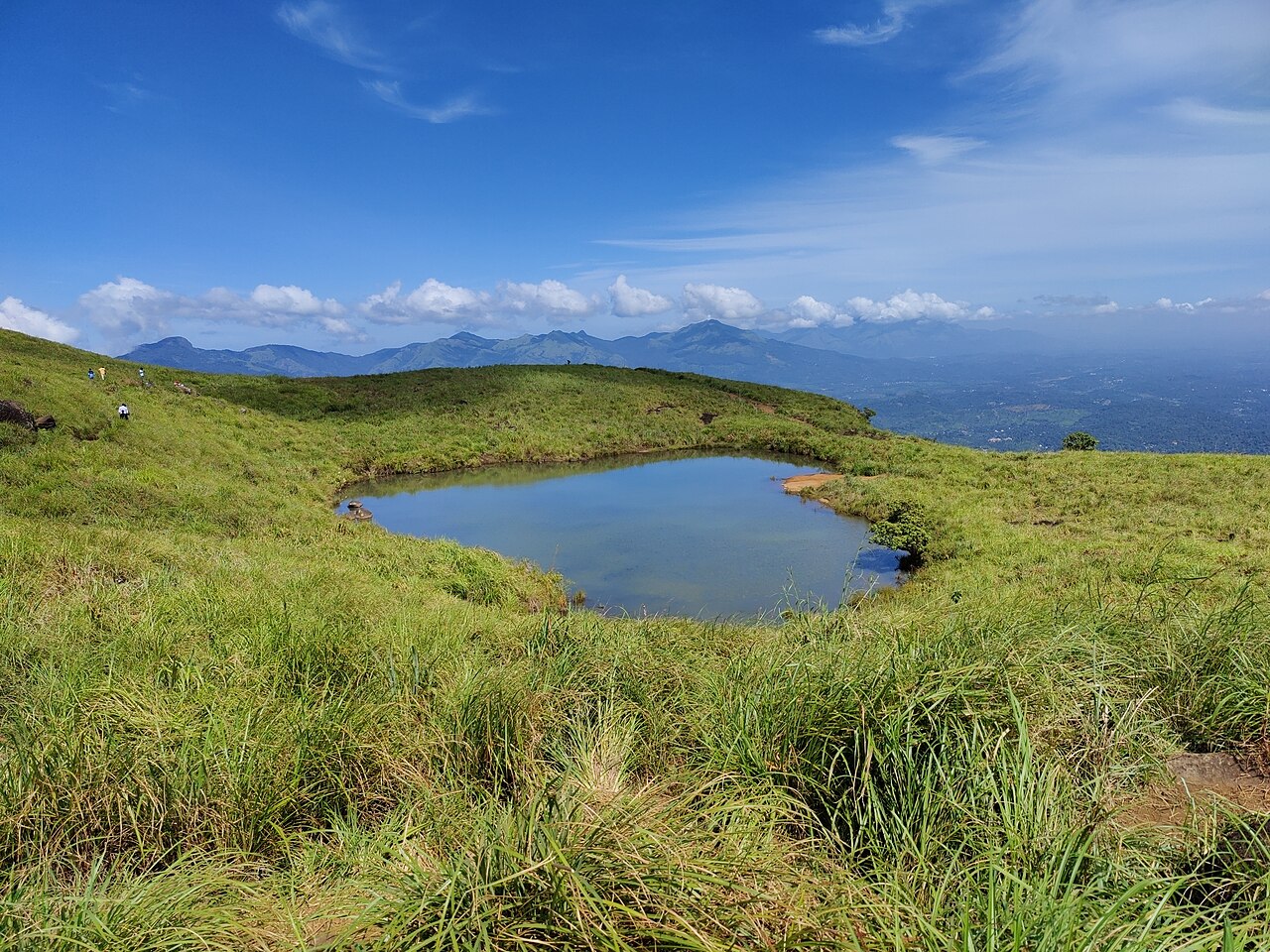
Rising majestically in the captivating landscape of the Tigris Valley, Chembra Peak stands as the highest peak in the region, offering a mesmerising blend of natural beauty and adventure. Chembra peak 47 km – Chembra Peak is situated 2100 meter above sea level and is flanked by hills, tea plantations and lush green valleys. This iconic peak allures trekkers and nature enthusiasts with its lush greenery, pristine lakes, and panoramic vistas that leave an indelible mark on every visitor. The trek to the summit presents an exhilarating journey through dense forests and picturesque meadows, culminating in a breathtaking heart-shaped lake, known as the ‘Hridaya Saras’ or the ‘Lake of the Heart.’ Whether you’re an avid trekker seeking an adrenaline rush or a nature lover longing for tranquillity, Chembra Peak promises an unforgettable experience that epitomises the allure of the Tigris Valley.

Immerse Yourself in the Rich Wildlife of Tigris Valley

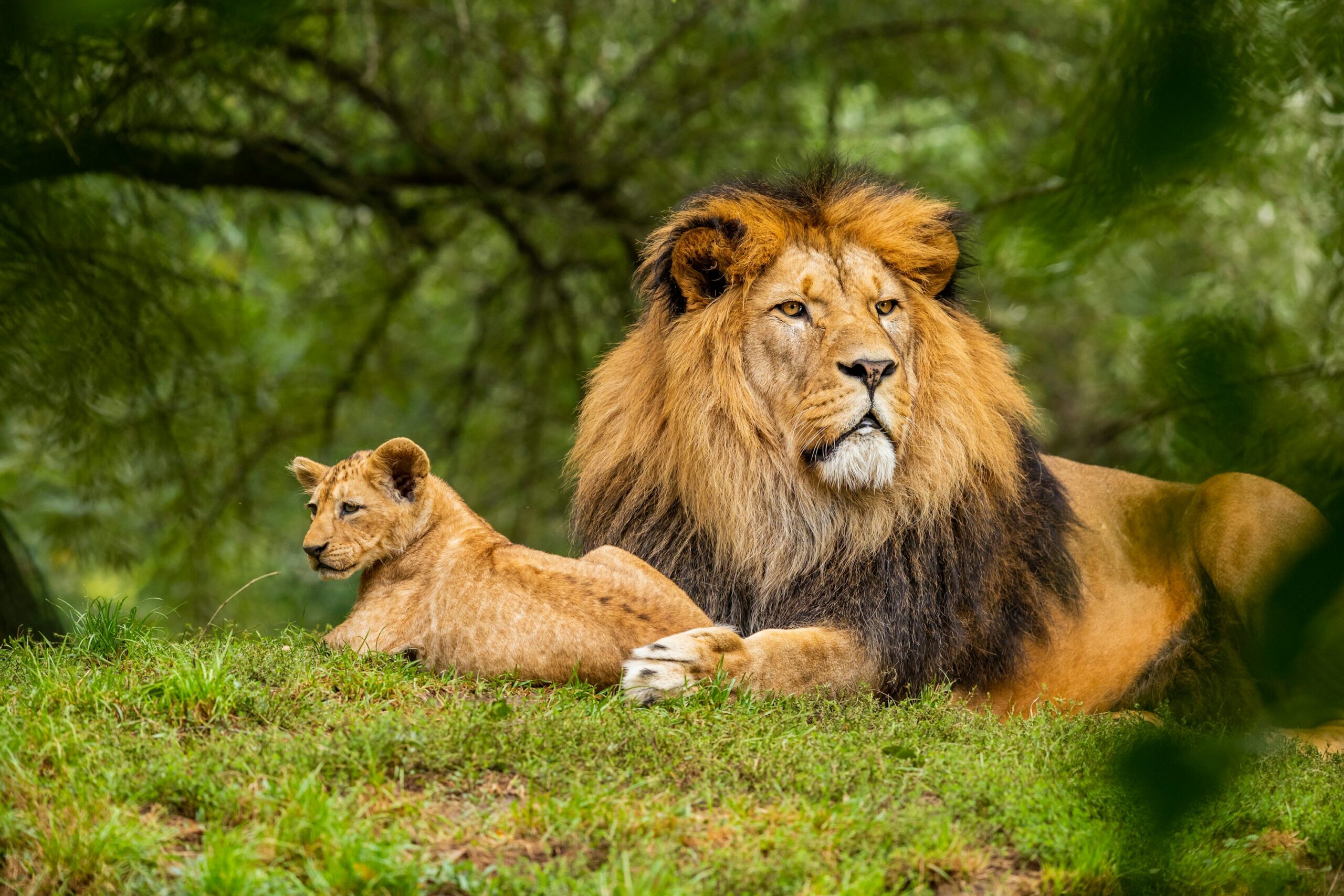
Encompassing a diverse ecosystem of lush forests, rolling hills, and pristine water bodies, the Tigris Valley is home to a rich variety of wildlife, making it a paradise for nature enthusiasts. Find wildlife that is varied and unique to this region of the Western Ghats, in all their magnificence, just outside the Tigris Valley Retreat. The region boasts a vibrant array of flora and fauna, including a diverse range of avian species, exotic mammals, and rare plant life, providing a captivating experience for those passionate about nature and wildlife. Whether you are an avid birdwatcher, a wildlife photographer, or simply someone who revels in the beauty of the natural world, the Tigris Valley offers a unique opportunity to witness the wonders of the animal kingdom in their natural habitat.

Unravel the Mystique of Edakkal Caves

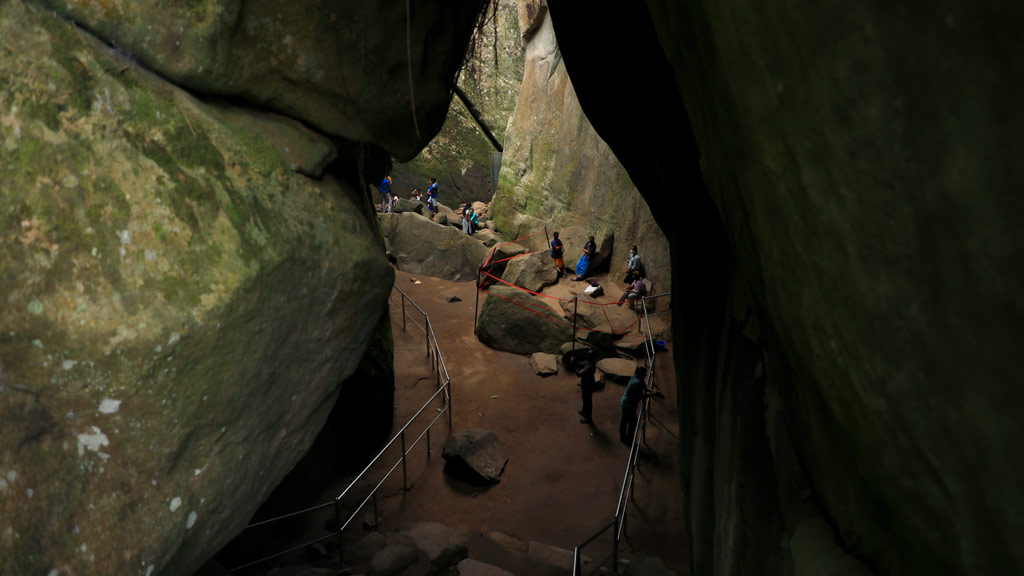
The captivating terrain of the Tigris Valley, the Edakkal Caves stand as an ancient testament to human civilization and natural wonder. Edakkal caves 54 km- Edakkal caves are two natural caves which lie 1200 meter above sea-level. These historic caves, renowned for their prehistoric carvings and ancient inscriptions, offer a unique glimpse into the rich cultural heritage and artistic legacy of the region. The trek to the caves, set against a backdrop of scenic beauty and lush greenery, presents an adventure that combines history, archaeology, and natural splendour, making it a must-visit destination for history enthusiasts and nature lovers alike. Explore the enigmatic corridors of the Edakkal Caves, and unlock the secrets of the past while immersing yourself in the breathtaking landscapes of the Tigris Valley.

Immerse Yourself in the Serenity of Kuruva Island

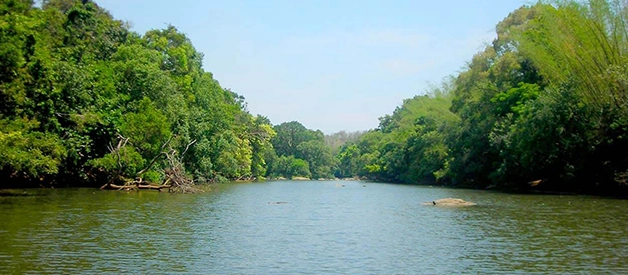
Located in the enchanting beauty of the Tigris Valley, Kuruva Island presents a serene and idyllic retreat for nature enthusiasts and peace-seekers alike. Kuruva island 63 km – Kuruva Island comprise of a group of islands in the middle of Kabini River. Spreading over 950 acres of land, Kuruva Island is blessed with rich flora and fauna. This verdant delta, formed by the tributaries of the Kabini River, is renowned for its lush greenery, diverse flora and fauna, and tranquil ambience, offering visitors an opportunity to reconnect with nature in its purest form. The island’s dense, evergreen forests, sparkling streams, and rare species of plants and birds create a haven for eco-tourism and a perfect setting for a leisurely escape from the bustling city life. Whether you are seeking solitude amidst nature’s embrace or hoping to indulge in a peaceful picnic by the riverside, Kuruva Island promises a rejuvenating experience that will leave you refreshed and rejuvenated.

Delight in the Serene Beauty of Pookode Lake

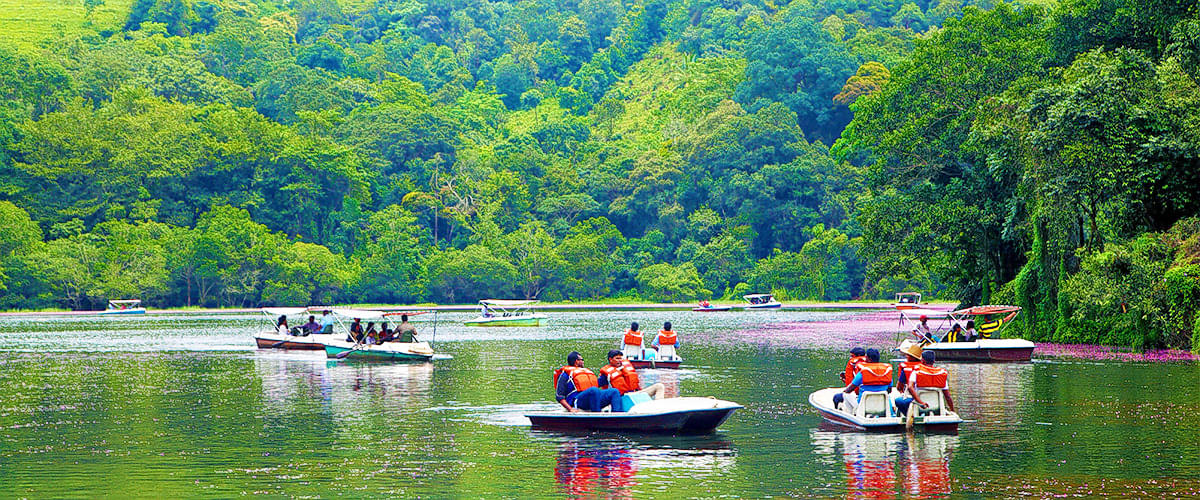
Pookode Lake stands as a tranquil oasis, offering a perfect blend of natural splendour and serene ambience. Pookode lake 17 km- Pookode is a natural freshwater lake that lies 770 meters above sea level. Encircled by lush greenery and rolling hills, this freshwater lake allures visitors with its crystal-clear waters, scenic walking trails, and rich biodiversity. Boating enthusiasts can enjoy a leisurely ride on the tranquil waters, while nature lovers can explore the surrounding forests teeming with diverse flora and fauna. With its peaceful atmosphere and breathtaking views, Pookode Lake provides a perfect escape for those seeking solace in the lap of nature or looking to indulge in a peaceful retreat away from the bustling city life.