The cardiovascular system plays a crucial role in maintaining overall health, with the heart and blood vessels working together to circulate blood throughout the body. However, cardiovascular conditions such as heart disease can significantly increase the risk of a stroke. A stroke occurs when blood flow to the brain is interrupted, often due to blood clots or bleeding in the brain, which can be influenced by poor heart function or damaged arteries. When the heart doesn’t pump blood effectively or when the arteries are narrowed or blocked, the risk of stroke rises because the brain may not receive the oxygen it needs. Stroke and heart attacks can affect individuals across a wide range of ages, but the risk increases significantly for those over 55. However, lifestyle factors are causing these conditions to become more common in younger populations as well. Primary causes of stroke and heart attacks include high blood pressure, high cholesterol, diabetes, obesity, and smoking, all of which damage the arteries and heart muscle over time. Additionally, a family history of cardiovascular disease, inactive lifestyle, poor diet, and stress further increase risk.
Tigris Valley, an Ayurvedic wellness hospital provides the best cardiac wellness treatment aiming to reduce the risk of cardiovascular diseases and support recovery from post-cardiac complications like heart attacks or strokes. Our expert Ayurvedic practitioners provide personalized support for each patient, starting with detailed assessments. Personalized programs including yoga and meditation promote relaxation and stress reduction essential for heart health.

Strokes and heart attacks are both critical medical emergencies that can be life-threatening but affect different organs and have distinct causes, symptoms, and treatments. A stroke occurs when blood flow to a part of the brain is interrupted or reduced, leading to brain tissue damage, which can be due to a blockage (ischemic stroke) or bleeding (hemorrhagic stroke). In contrast, a heart attack, or heart muscle damage happens when blood flow to a part of the heart is blocked, usually by a blood clot or plaque buildup in the heart arteries, removing the heart muscle of oxygen and causing tissue damage.
Common causes of stroke include high blood pressure, atherosclerosis, atrial fibrillation, and blood clots, with risk factors like diabetes, obesity, and smoking contributing to its likelihood. Heart attacks are often linked to coronary artery disease and are influenced by risk factors such as high cholesterol, high blood pressure, smoking, and an inactive lifestyle. Symptoms of a stroke can include sudden numbness or weakness in the face, arm, or leg, confusion, difficulty speaking, vision problems, dizziness, and loss of balance, often remembered using the acronym FAST (Face, Arms, Speech, Time). In contrast, heart attack symptoms typically involve chest pain or discomfort, which may feel like pressure or squeezing, along with pain in other areas like the arms, back, or neck, shortness of breath, and nausea. Diagnosis for strokes often involves imaging tests like CT scans or MRIs, while heart attacks may be diagnosed through electrocardiograms (ECGs), blood tests, and imaging procedures. Stroke therapy depends on the type, with clot-dissolving medications or surgical interventions being common for ischemic and bleeding stroke respectively.

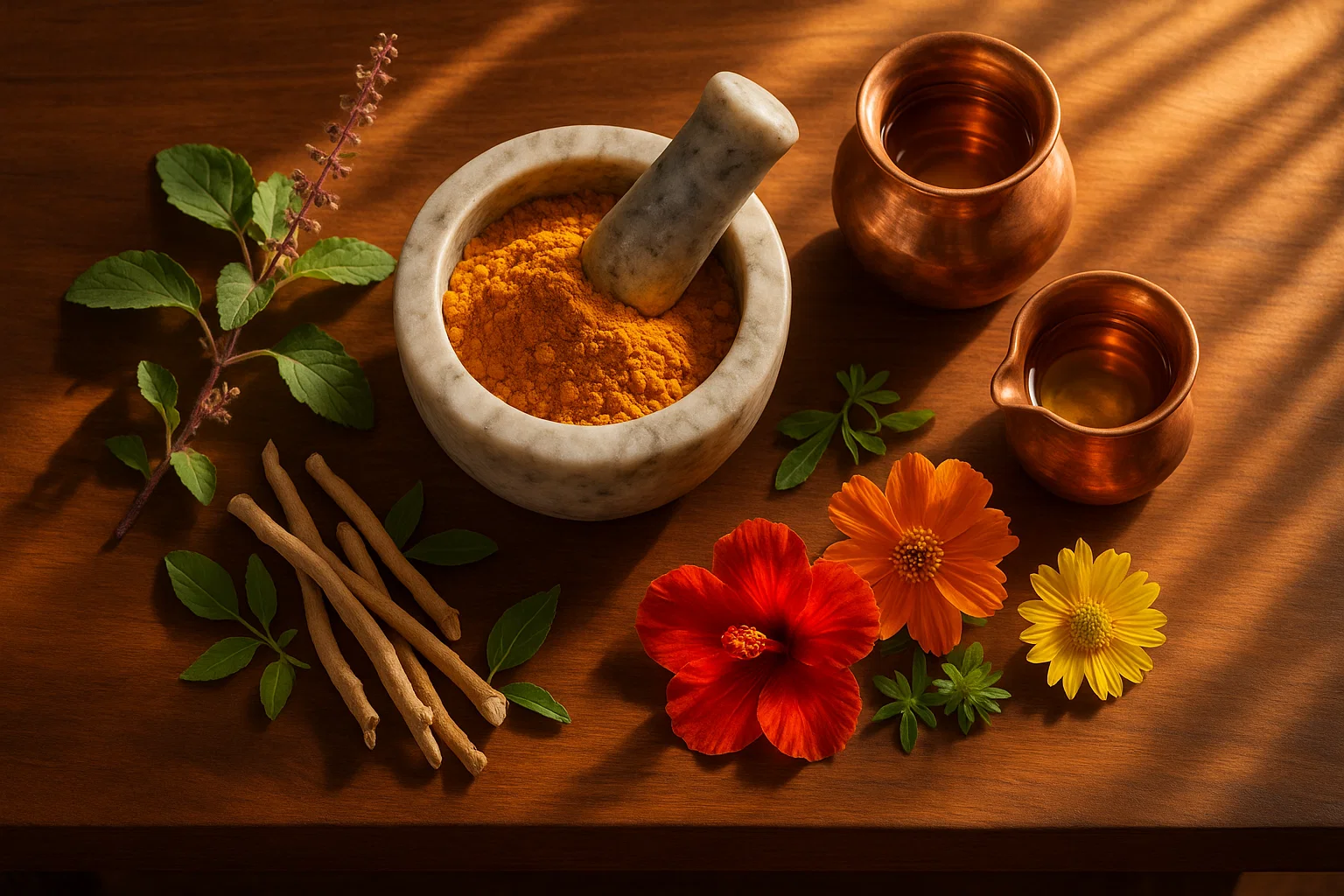
The Ayurvedic treatment in Kerala for stroke focuses on restoring balance and enhancing overall wellness. This integrated approach includes herbal remedies like Ashwagandha and Brahmi to support neurological function, along with Panchakarma treatment for detoxification and improved circulation. Our ayurvedic practitioners also recommend lifestyle changes, dietary adjustments, and stress-relief techniques such as yoga and meditation to promote recovery. Overall, Ayurveda aims to facilitate healing, restore motor skills, and improve mental clarity post-stroke.
Meanwhile, heart attacks often require medications to dissolve clots and procedures like angioplasty or stenting. Additionally, ayurvedic cardiac treatment may be considered as part of a balanced approach to managing and recovering from these conditions, focusing on lifestyle changes and natural remedies to support heart health. Long-term impacts differ; recovery from a stroke may involve significant rehabilitation to regain lost skills, whereas recovery from a heart attack can lead to lasting heart damage and an increased risk of future heart problems. Recognizing the signs of each condition is crucial for timely intervention and improving health outcomes.
Understanding the risk factors for heart attack and stroke is essential for effective prevention and early intervention. High blood pressure (hypertension) is one of the most significant contributors, as it can damage arteries over time and increase the risk of both conditions. Similarly, high cholesterol levels, particularly elevated LDL (bad) cholesterol, can lead to plaque buildup in the arteries making them more at risk of blockages. Diabetes is another critical risk factor individuals with poorly controlled diabetes face an increased likelihood of developing heart disease and experiencing strokes. Tigris Valley Wellness Retreat provides the best Diabetes treatment in Kerala and offers various approaches to help manage this condition effectively. Obesity intensifies these issues by contributing to other risk factors such as high blood pressure, diabetes, and high cholesterol. An inactive lifestyle further exacerbates these risks, as a lack of physical activity can lead to weight gain and other cardiovascular problems.
Smoking is particularly harmful, as it damages blood vessels and reduces the amount of oxygen in the blood, significantly raising the risk of heart attacks and strokes. A family history of heart disease or stroke can also heighten individual risk, especially if close relatives experienced these conditions at a young age. Age plays a crucial role as well; the risk increases with advancing age, especially for men over 45 and women over 55. Additional factors, such as unhealthy diets high in saturated fats, trans fats, sugar, and salt, can contribute to obesity, high cholesterol, and hypertension. Excessive alcohol consumption is another risk factor that can lead to elevated blood pressure and heart rhythm issues. Chronic stress, can lead to poor lifestyle choices and affect heart health directly, and sleep apnea, characterized by disrupted sleep and breathing problems, further increases the risk of cardiovascular problems.

Inflammatory conditions such as rheumatoid arthritis or lupus may also elevate heart disease risk due to the swelling they cause. To mitigate these risks, people are encouraged to adopt healthier lifestyle choices, such as consuming a balanced diet rich in fruits, vegetables, whole grains, and lean proteins, engaging in regular physical activity, maintaining a healthy weight, and avoiding smoking and excessive alcohol consumption. Additionally, managing stress through stress relief treatments such as relaxation techniques, meditation, or counseling, along with monitoring and controlling blood pressure, cholesterol, and blood sugar levels, is crucial. Awareness and proactive management of these risk factors can significantly reduce the likelihood of heart attacks and strokes, ultimately promoting better overall cardiovascular health.
The signs of a silent heart attack can be minor or nonexistent making them difficult to recognize. Here are several important symptoms to be aware of:
Chronic tiredness: If you experience sudden or unusual tiredness that lasts for days, it could be a warning sign, especially in women.
Mild Discomfort or Pain: Instead of the classic chest pain, a silent heart attack may present as mild discomfort, pressure, or pain in the chest, neck, jaw, back, or arms.
Shortness of Breath: This may occur with or without chest discomfort and can be mistaken for anxiety or weakness.
Nausea or Indigestion: Some individuals report feeling nauseous or experiencing digestive issues, which can be mistaken for gastrointestinal problems.
Sweating: Unexplained cold sweats or excessive sweating can be a sign of a heart attack.
Imbalance or Weakness: Feeling off-balance, especially in conjunction with other symptoms, warrants attention.
Being aware of personal risk factors such as a family history of heart disease, high blood pressure, high cholesterol, diabetes, obesity, smoking, or an inactive lifestyle can help identify those at higher risk for silent heart attacks. Additionally, engaging in cardiac rehabilitation can further support heart health and recovery. If you suspect a silent heart attack or experience any combination of these symptoms, it is important to seek medical attention immediately. Early detection and intervention are crucial for minimizing damage and improving outcomes.
Panchakarma is a fundamental aspect of Ayurvedic medicine, designed to detoxify the body and restore balance, making it particularly effective for individuals recovering from cardiac attacks and strokes. The panchakarma treatment comprises five key procedures: Vamana (therapeutic vomiting), Virechana (purgation), Basti (enema), Nasya (nasal administration), and Raktamokshana (bloodletting). Each of these procedures plays a vital role in eliminating toxins and balancing the body’s doshas—Vata, Pitta, and Kapha which are essential for optimal health. Vamana helps clear excess Kapha dosha and toxins from the respiratory and gastrointestinal tracts, thereby enhancing overall respiratory function and health, which is critical in recovery from cardiovascular issues. Virechana focuses on purging the lower gastrointestinal tract to eliminate excess Pitta dosha, reducing inflammation and promoting healthy digestion. Basti is particularly beneficial as it delivers herbal-infused oils through the rectum, targeting the balance of Vata dosha, improving bowel function, and nourishing vital organs, including the heart. Nasya, by delivering medicated oils through the nostrils, clears toxins from the head and neck regions, improving mental clarity and reducing symptoms such as headaches, which can be common post-stroke. Raktamokshana, although less frequently used, involves the careful removal of small amounts of blood to detoxify and reduce high blood pressure, addressing one of the primary risk factors for heart attacks.
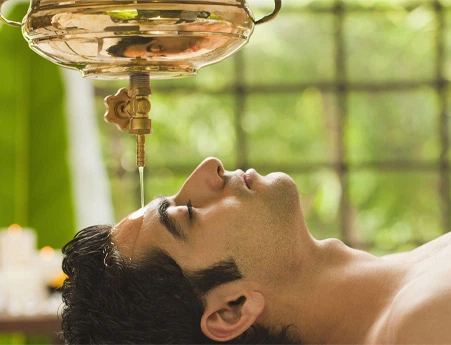
Beyond these core treatments, Panchakarma therapy includes personalized dietary recommendations rich in heart-healthy foods and anti-inflammatory herbs, such as garlic and turmeric, which support cardiovascular health. Additionally, the treatment protocol encompasses herbal medications specifically tailored to each patient’s needs, further promoting recovery and overall well-being. Lifestyle modifications are also crucial in this holistic approach; stress reduction techniques such as yoga, meditation, and breathing exercises are integrated to calm the mind and improve emotional health, thereby enhancing the healing process. Overall, Panchakarma offers a systemic model for treating and recovering from cardiac attacks and strokes by addressing underlying causes, promoting full body detoxification, and supporting the body’s natural healing capabilities. This integrated approach aims to restore balance, enhance cardiovascular health, and improve the quality of life for individuals navigating their recovery journey.
Yoga and meditation play a significant role in stroke rehabilitation, particularly within the structure of Ayurvedic stroke treatment. These practices support recovery by improving physical strength, mental clarity, and emotional balance. In Ayurvedic Treatment, stroke is often viewed as an imbalance of doshas (especially Vata) that disrupts neural function and physical coordination. Yoga postures (asanas) are carefully selected to improve flexibility, rebuild muscle strength, and enhance balance, aiding motor skills impacted by the stroke. Meditation, including guided breathwork (pranayama), reduces stress and promotes mental resilience, which is essential for patients dealing with post-stroke anxiety or depression.
In Ayurvedic stroke treatments, yoga and meditation are often combined with herbal remedies and dietary guidance to address the underlying imbalances and promote complete healing. This integrative approach not only facilitates physical recovery but also promotes a deeper connection between mind and body, supporting sustained improvements in quality of life. Through yoga and meditation, Ayurveda for stroke rehabilitation helps patients gain back control, calm the mind, and rebuild physical capabilities in a balanced and restorative way.
At Tigris Valley wellness retreat in India, yoga and meditation play a key role in stroke rehabilitation in Ayurveda, helping patients regain physical strength, mental clarity, and emotional balance. Through guided yoga postures, breathwork, and meditation, Tigris Valley’s treatment methods support physical skill rehabilitation, improve flexibility, and reduce stress. This Ayurvedic stroke rehabilitation program is designed to restore both physical and mental resilience, empowering patients to achieve a balanced, more complete recovery.
Acupuncture treatment is a traditional Chinese medicine (TCM) that can be a valuable part of stroke recovery, supporting healing through its focus on restoring balance and stimulating nerve function. This acupuncture stroke therapy involves inserting fine needles into specific points on the body to encourage blood flow, reduce inflammation, and activate neural pathways which can improve physical skills and relieve pain. Research suggests that acupuncture may also play a role in pain management by releasing endorphins, the body’s natural painkillers, and reducing post-stroke pain and discomfort.

One of acupuncture’s primary benefits in stroke rehabilitation is its impact on physical coordination and muscle tone. After a stroke, muscle weakness and coordination issues are common, often limiting mobility. Acupuncture targets neural pathways that control these muscles, encouraging improved communication between the brain and body, which can lead to better control over movement and reduced muscle stiffness. Additionally, acupuncture has a positive impact on the mental health of stroke patients. Anxiety and depression are common challenges during recovery, and acupuncture can help regulate mood by balancing neurotransmitter levels, promoting a sense of relaxation, and reducing stress. This integrated approach not only enhances physical recovery but also supports mental wellness, essential for a complete and sustainable recovery process.
Tigris Valley Wellness Hospital provides acupuncture treatment customized to improve blood circulation, reduce inflammation, and support nerve function. By targeting specific acupoints, the treatment helps relieve common post-stroke symptoms, including paralysis, muscle weakness, and speech challenges. Acupuncture supports improvements in physical and cognitive abilities, boosts motor and mental function, enhances body and mind recovery, promotes both physical and mental restoration, and promotes long-term wellness for stroke survivors in a calm healing environment.
Managing pain after surgery is essential for a smooth recovery and is a key component of effective post-surgical care. Begin by following any prescribed pain medications carefully, as they’re scheduled to control pain effectively before it exacerbates. Applying cold packs can help reduce swelling, while heat may relieve muscle tension, depending on medical advice. Relaxation techniques like deep breathing and meditation also reduce stress, which can intensify pain. Communicate regularly with our healthcare professional to explore other options, like nerve blocks or acupuncture, if needed for long-term pain management as part of your post-surgical care plan. Gentle movement or physical therapy, under guidance, can prevent stiffness and improve circulation, easing discomfort over time. Staying hydrated and maintaining a nutritious diet supports healing, while proper positioning and rest such as elevating the area if recommended reduce swelling and support healing.
By focusing on both physical and mental wellness, Tigris Valley helps individuals regain their strength and energy after surgery. Tigris Valley offers exceptional post-surgical treatment in Kerala by combining traditional ayurvedic treatments with modern rehabilitation techniques. Tigris Valley provides a calming atmosphere that supports healing. Our expert Ayurvedic practitioners offer special care that includes personalized Ayurvedic treatment programs, nutritional guidance, and holistic wellness practices to promote a smooth recovery for patients.