What types of Alopecia Areata exist, and how is it managed?

What types of Alopecia Areata exist, and how is it managed?


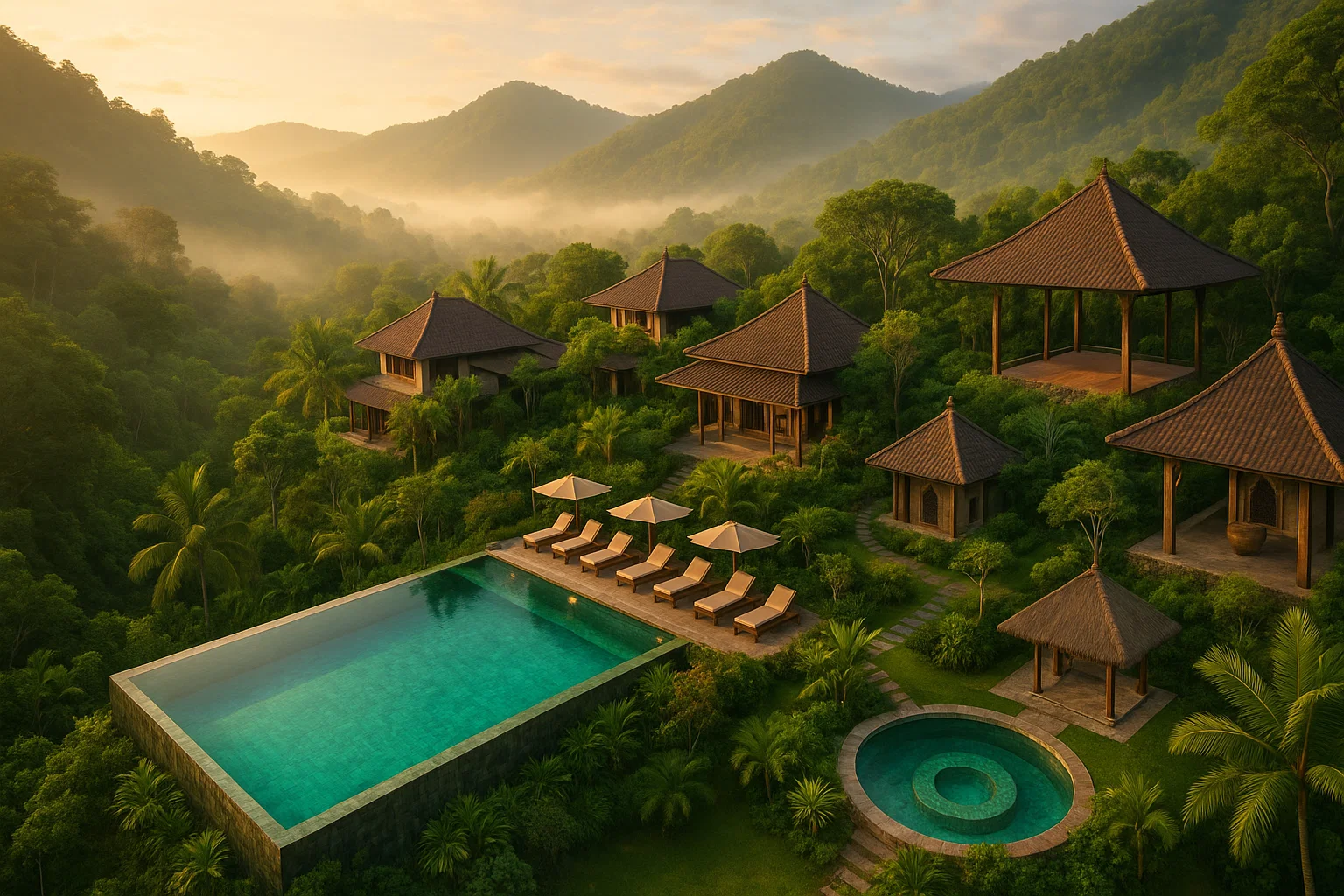
Alopecia, a term encompassing various forms of hair loss, poses a unique and often challenging experience for those affected. Alopecia Areata, a common autoimmune condition causing unpredictable hair loss, presents various challenges for those affected. The impact of alopecia extends beyond the physical realm, often influencing one’s self-esteem and emotional well-being. As we delve into the intricacies of alopecia, it becomes imperative to explore its various types, potential causes, available treatments, and the holistic approaches that offer hope and healing. Understanding alopecia goes beyond its visible manifestations, delving into the complexities of its origins and the diverse strategies individuals employ to cope and find effective solutions. Here, we explore different types of alopecia areata, effective coping strategies, the crucial role stress plays in its manifestation, and the holistic Ayurvedic approach available in the Tigris Valley Wellness Retreat in Kerala.

Understanding Alopecia Areata:

Alopecia areata occurs when the immune system mistakenly attacks hair follicles, leading to hair loss on the scalp and body. The severity and pattern of hair loss vary, giving rise to several types:

1. Alopecia Areata (Patchy): Manifests as one or more coin-sized patches of hair loss on the scalp or body.

2. Alopecia Totalis: A more severe form leading to total hair loss on the scalp.

3. Alopecia Universalis: The most advanced form, causing complete hair loss across the entire body.

4. Diffuse Alopecia Areata: Involves sudden thinning of the hair rather than well-defined patches of baldness.

5. Ophiasis Alopecia: Characterised by hair loss in a band shape around the sides and lower back of the scalp.

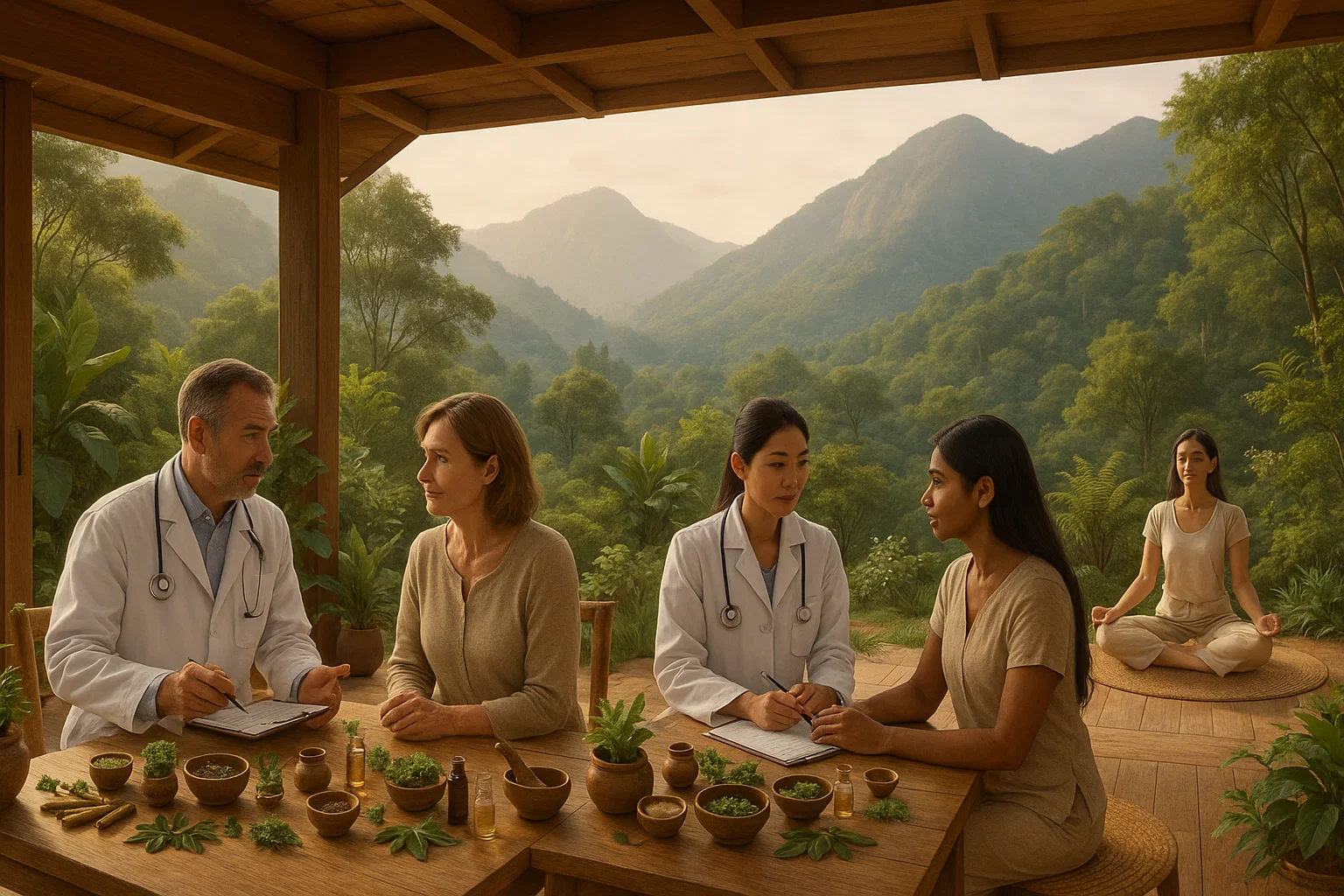
At Tigris Valley, our comprehensive Alopecia areata treatment in Kerala adopts a holistic approach to address hair loss concerns. Although there is no definitive cure for alopecia areata, we provide a range of therapies designed to slow hair loss and encourage regrowth. Our specialized treatment integrates the principles of Ayurveda, focusing on herbal medicines, dietary modifications, and specific lifestyle practices.
Our experts aim to harmonize the body’s energies, promoting overall well-being and rejuvenating hair follicles. Ayurvedic herbal formulations are made to individual needs and are administered to nourish and strengthen hair roots. Dietary adjustments are implemented to support the body’s natural healing processes, enhancing the effectiveness of the treatment.

Our holistic approach extends to lifestyle practices that contribute to the restoration of health to hair follicles. Through personalized care and a commitment to balancing the body’s energies, Tigris Valley in Kerala endeavors to provide a unique and effective alopecia treatment experience, promoting not only regrowth but also overall well-being.

Tips for Dealing with Alopecia Areata:

Alopecia areata treatment in Kerala

Living with alopecia areata can be challenging, but effective coping strategies include:

1. Wearing Wigs or Hairpieces: Enhances appearance and boosts self-esteem.

2. Using Sunscreen: Protects the scalp or other exposed areas from sun damage.

3. Getting Support: Connecting with support groups, family, and friends can provide emotional support.

4. Embracing Your Appearance: Many individuals proudly embrace their bald patches, challenging societal norms about beauty and appearance.

Stress and Alopecia Areata:

Chronic stress has long been implicated in various health conditions, including Alopecia Areata. Research suggests a connection between stress and this autoimmune condition, as stress can disrupt the immune system and contribute to hair loss. Ayurveda offers holistic solutions, emphasizing dietary adjustments, herbal remedies, and mindfulness practices to manage stress and promote hair health. Understanding and addressing the impact of stress on Alopecia Areata is pivotal for developing effective coping methods and comprehensive treatment approaches.

Alopecia areata is characterized by hair loss from the scalp or other areas of the body. We use the latest advancements in alopecia treatment in Kerala focusing on personalized care to help you achieve optimal results. The alopecia treatment can vary based on the type and intensity of the condition, but the primary goal is to stimulate hair regrowth and manage symptoms.

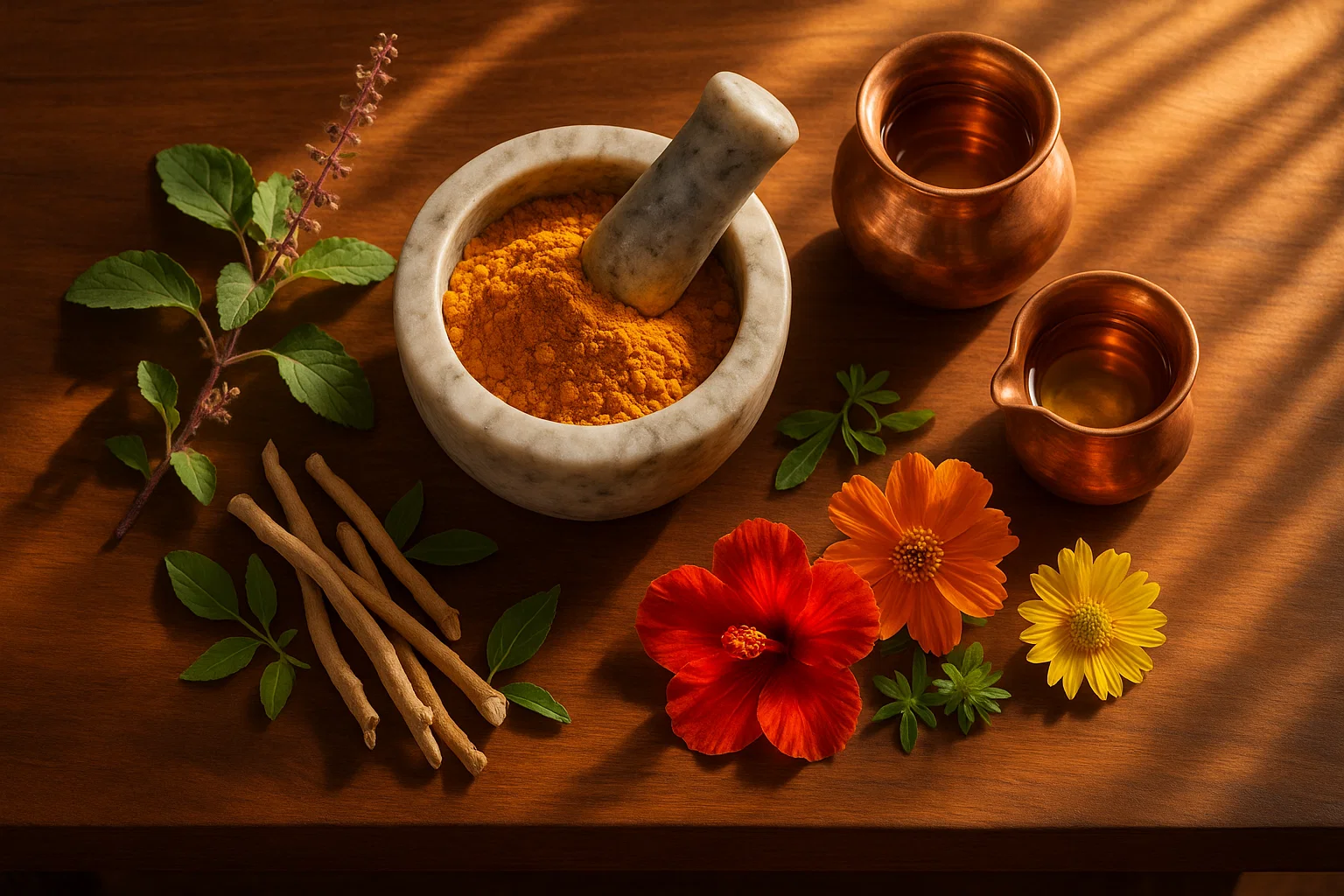
Ayurvedic cure for alopecia areata focuses on natural remedies and healing to promote hair regrowth and restore scalp health. Alopecia Treatment includes herbal treatments, dietary adjustments, and lifestyle changes aimed at balancing the body’s doshas. Techniques like massage and stress relief treatment are also utilized to improve circulation and reduce inflammation. By addressing the root causes, Ayurvedic treatments seek to provide effective and lasting relief from alopecia areata.

Ayurveda’s Perspective on Stress and Alopecia Areata:

Ayurveda views stress and Alopecia Areata as interconnected. Ayurvedic treatment principles propose that managing stress can mitigate its impact on health and potentially curb conditions like Alopecia Areata. Strategies include:

Balanced Nutrition: Emphasising a diet that balances the Pitta dosha, with sweet fruits, milk, and ghee, while avoiding spicy and fermented foods.

Yoga and Meditation: Time-honoured practices are known to reduce stress, calm the mind, and potentially alleviate stress-induced conditions like Alopecia Areata.

Ayurvedic Herbs: Recommended herbs such as Bhringraj, Amla, and Brahmi, are believed to promote hair growth, reduce stress, and balance the Pitta dosha.

Adequate Sleep: Essential for stress management, a proper sleep routine can help restore balance in the body and mind, easing stress and potentially mitigating hair loss.

Dealing with Stress-Induced Alopecia Areata:

While the link between stress and Alopecia Areata is complex, Ayurveda offers a promising pathway to mitigate its effects. Focusing on nutrition, incorporating yoga and meditation, using beneficial herbs, and ensuring adequate sleep collectively aid in controlling stress levels.

Dealing with alopecia areata involves understanding its types, adopting effective coping strategies, and exploring holistic Alopecia Ayurvedic treatment in Kerala. As individuals navigate their journey toward managing alopecia areata, the synergy of traditional treatments, Ayurvedic remedies, and stress management techniques becomes crucial. Always consult healthcare providers or Ayurvedic practitioners for personalized and optimal results in this holistic endeavor.


Share on:

Vanaparvam Biodiversity Park

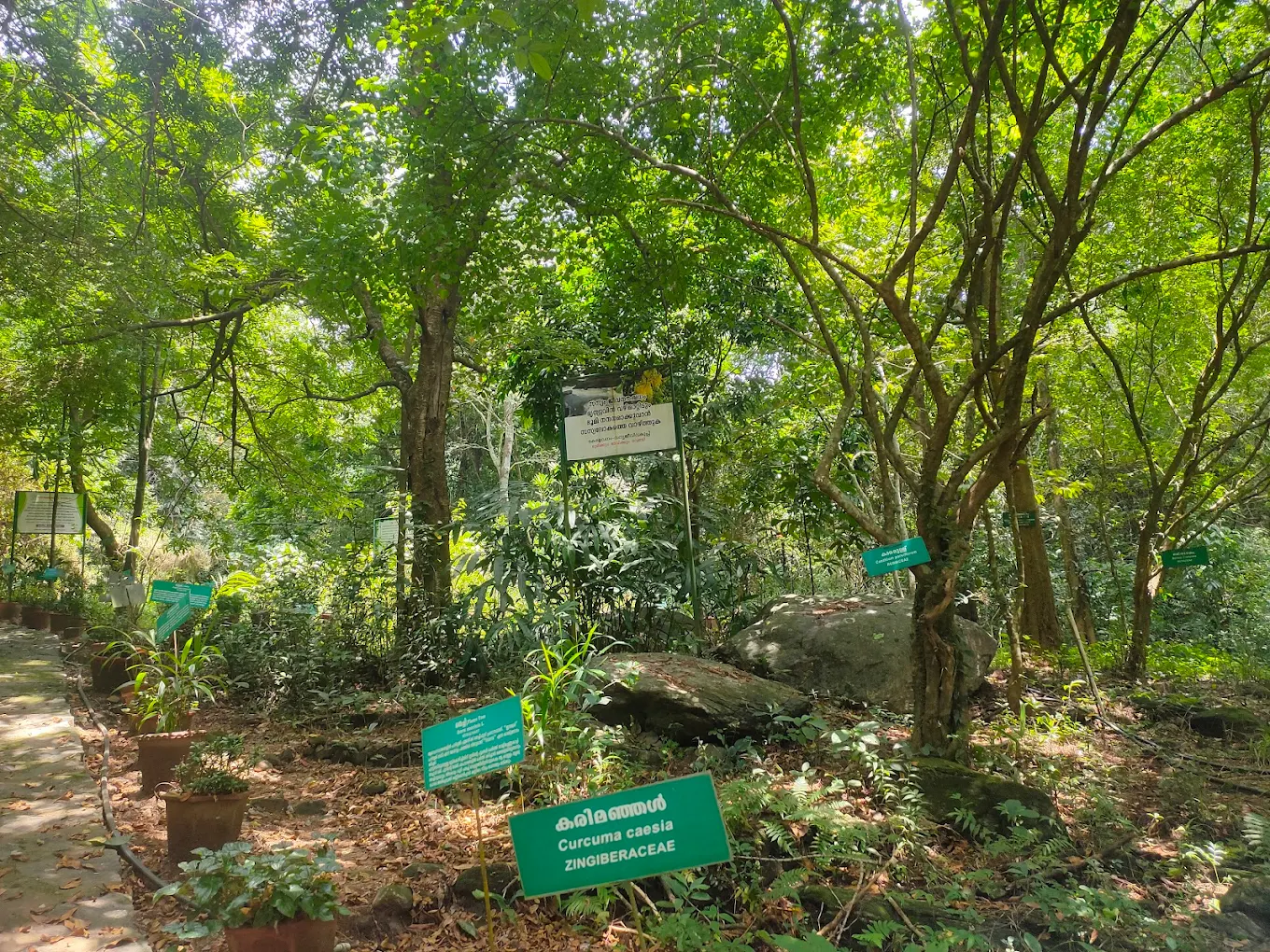
Vanaparvam Biodiversity Park, located about 43 km from Kozhikode city, forms part of the Thamarassery forest range and spans 111.4 hectares. The park is home to over 2,300 plant species, including 150 varieties of medicinal plants, 23 species of bamboo, and 20 types of orchids.

A walk through this natural forest offers a rare opportunity to experience the rich diversity of wild flora. Visitors can also admire the playful “dancing fishes” from the wooden suspension bridge across the Pathipara River. Adding to its charm are the scenic Muyalpara and Pathipara waterfalls. The highlights of the park include the unique Nakshatra Vanam and the serene Bambusetum, making it a must-visit for nature lovers.

Kozhikode Thusharagiri Waterfalls

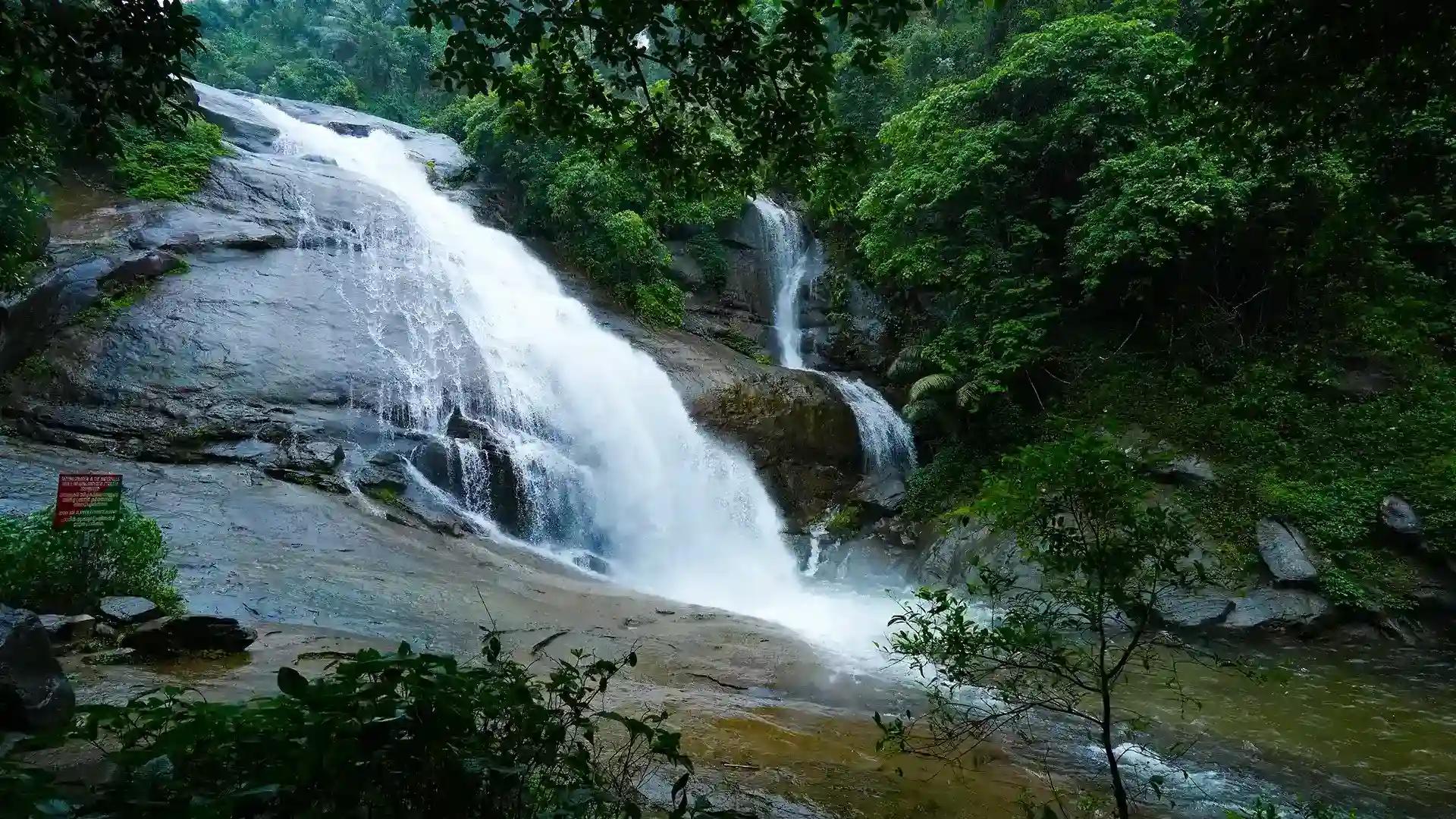
Tucked away in the verdant Western Ghats of Kerala, Thusharagiri Waterfalls in Kozhikode district is a mesmerizing destination celebrated for its natural charm, serenity, and adventurous spirit. The name Thusharagiri, meaning “snow-capped mountains,” comes from the fine mist rising from the falls, creating a dreamlike atmosphere that captivates every visitor. Surrounded by dense forests and rich biodiversity, it offers the perfect escape for those in search of nature, adventure, and relaxation.

Thusharagiri comprises three cascading waterfalls, with the main fall, Erattumukku, dropping dramatically from a height of 75 meters. The other two, Thenpara and Mazhavil Chattom, are equally enchanting, each unveiling its own scenic beauty. Framed by lush greenery and alive with birdsong, the waterfalls provide an idyllic setting for trekking, photography, or simply soaking in the tranquil surroundings.

Banasura Sagar Dam

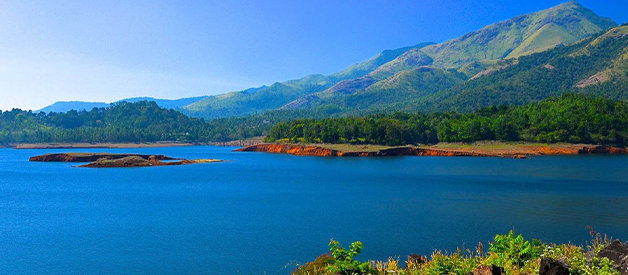
Nestled in the breathtaking landscapes of Tigris Valley, the Banasura Sagar Dam stands as a testament to both human ingenuity and natural beauty. This magnificent earthen dam, the largest of its kind in India and the second largest in Asia, offers a stunning amalgamation of engineering prowess and picturesque surroundings. Banasura Sagar dam 45 km- Banasura Sagar is the largest earthen dam in India. It lies in Wayanad district. It is one of the popular tourist destinations with the famous trekking spot, Banasura Hill nearby. The dam presents a range of activities for visitors, including trekking in the nearby Banasura Hills, exhilarating boating experiences, and a chance to immerse oneself in the local culture and cuisine. The welcoming locals and seamless accessibility make the Banasura Sagar Dam a must-visit destination for anyone exploring the wonders of the Tigris Valley.

Unveil the Enchanting Beauty of Chembra Peak in Tigris Valley

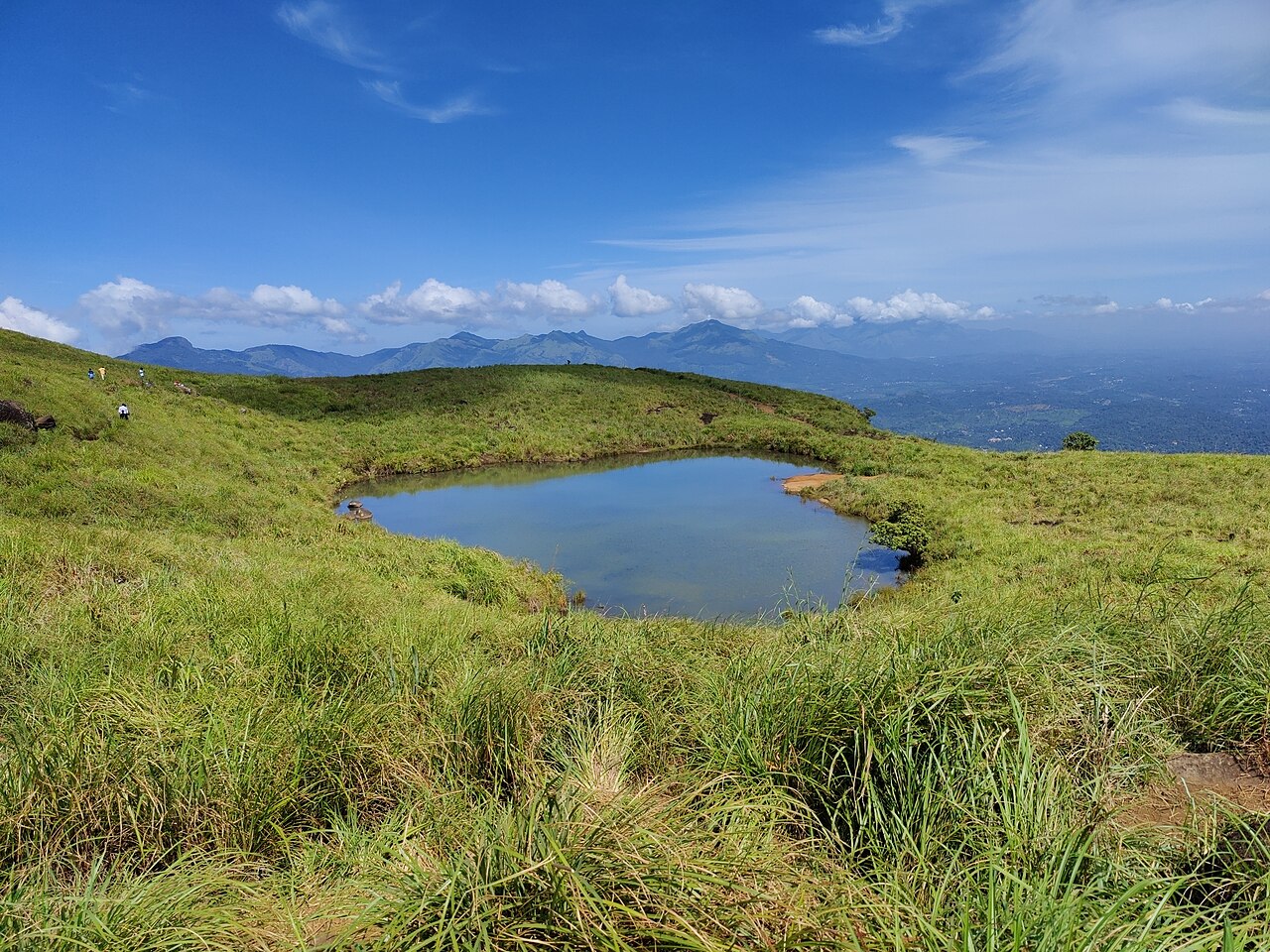
Rising majestically in the captivating landscape of the Tigris Valley, Chembra Peak stands as the highest peak in the region, offering a mesmerising blend of natural beauty and adventure. Chembra peak 47 km – Chembra Peak is situated 2100 meter above sea level and is flanked by hills, tea plantations and lush green valleys. This iconic peak allures trekkers and nature enthusiasts with its lush greenery, pristine lakes, and panoramic vistas that leave an indelible mark on every visitor. The trek to the summit presents an exhilarating journey through dense forests and picturesque meadows, culminating in a breathtaking heart-shaped lake, known as the ‘Hridaya Saras’ or the ‘Lake of the Heart.’ Whether you’re an avid trekker seeking an adrenaline rush or a nature lover longing for tranquillity, Chembra Peak promises an unforgettable experience that epitomises the allure of the Tigris Valley.

Immerse Yourself in the Rich Wildlife of Tigris Valley

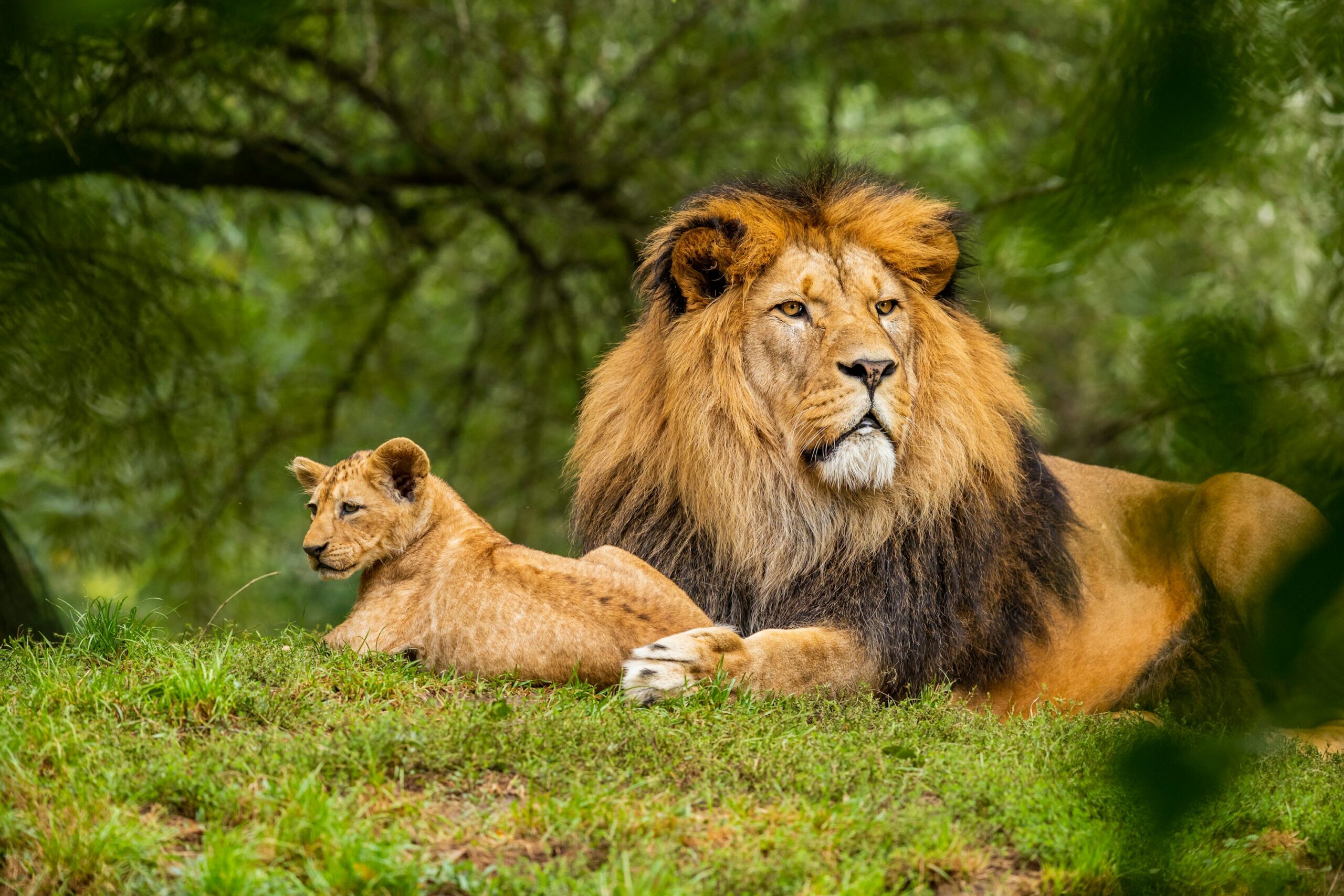
Encompassing a diverse ecosystem of lush forests, rolling hills, and pristine water bodies, the Tigris Valley is home to a rich variety of wildlife, making it a paradise for nature enthusiasts. Find wildlife that is varied and unique to this region of the Western Ghats, in all their magnificence, just outside the Tigris Valley Retreat. The region boasts a vibrant array of flora and fauna, including a diverse range of avian species, exotic mammals, and rare plant life, providing a captivating experience for those passionate about nature and wildlife. Whether you are an avid birdwatcher, a wildlife photographer, or simply someone who revels in the beauty of the natural world, the Tigris Valley offers a unique opportunity to witness the wonders of the animal kingdom in their natural habitat.

Unravel the Mystique of Edakkal Caves

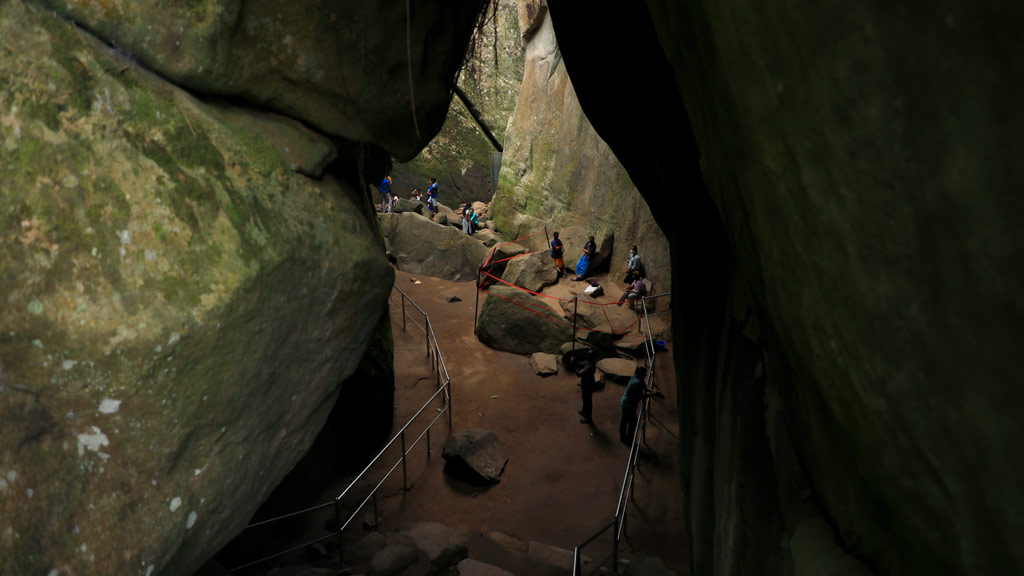
The captivating terrain of the Tigris Valley, the Edakkal Caves stand as an ancient testament to human civilization and natural wonder. Edakkal caves 54 km- Edakkal caves are two natural caves which lie 1200 meter above sea-level. These historic caves, renowned for their prehistoric carvings and ancient inscriptions, offer a unique glimpse into the rich cultural heritage and artistic legacy of the region. The trek to the caves, set against a backdrop of scenic beauty and lush greenery, presents an adventure that combines history, archaeology, and natural splendour, making it a must-visit destination for history enthusiasts and nature lovers alike. Explore the enigmatic corridors of the Edakkal Caves, and unlock the secrets of the past while immersing yourself in the breathtaking landscapes of the Tigris Valley.

Immerse Yourself in the Serenity of Kuruva Island

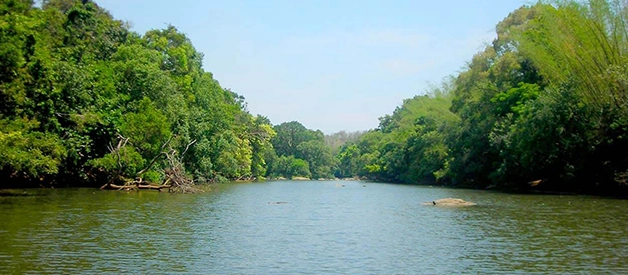
Located in the enchanting beauty of the Tigris Valley, Kuruva Island presents a serene and idyllic retreat for nature enthusiasts and peace-seekers alike. Kuruva island 63 km – Kuruva Island comprise of a group of islands in the middle of Kabini River. Spreading over 950 acres of land, Kuruva Island is blessed with rich flora and fauna. This verdant delta, formed by the tributaries of the Kabini River, is renowned for its lush greenery, diverse flora and fauna, and tranquil ambience, offering visitors an opportunity to reconnect with nature in its purest form. The island’s dense, evergreen forests, sparkling streams, and rare species of plants and birds create a haven for eco-tourism and a perfect setting for a leisurely escape from the bustling city life. Whether you are seeking solitude amidst nature’s embrace or hoping to indulge in a peaceful picnic by the riverside, Kuruva Island promises a rejuvenating experience that will leave you refreshed and rejuvenated.

Delight in the Serene Beauty of Pookode Lake

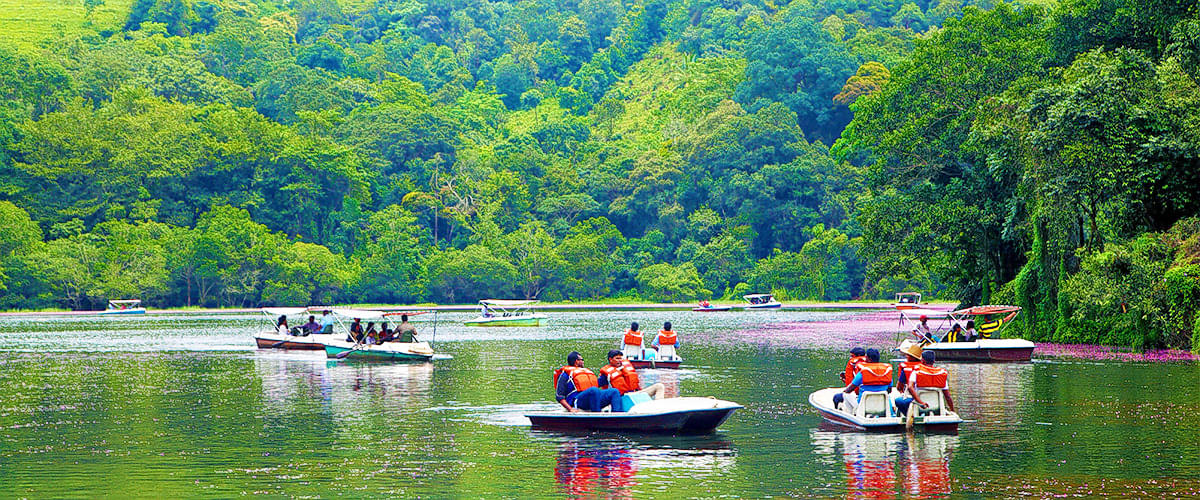
Pookode Lake stands as a tranquil oasis, offering a perfect blend of natural splendour and serene ambience. Pookode lake 17 km- Pookode is a natural freshwater lake that lies 770 meters above sea level. Encircled by lush greenery and rolling hills, this freshwater lake allures visitors with its crystal-clear waters, scenic walking trails, and rich biodiversity. Boating enthusiasts can enjoy a leisurely ride on the tranquil waters, while nature lovers can explore the surrounding forests teeming with diverse flora and fauna. With its peaceful atmosphere and breathtaking views, Pookode Lake provides a perfect escape for those seeking solace in the lap of nature or looking to indulge in a peaceful retreat away from the bustling city life.