Unlocking Healing Potential: Ayurvedic Stroke Rehabilitation in Kerala

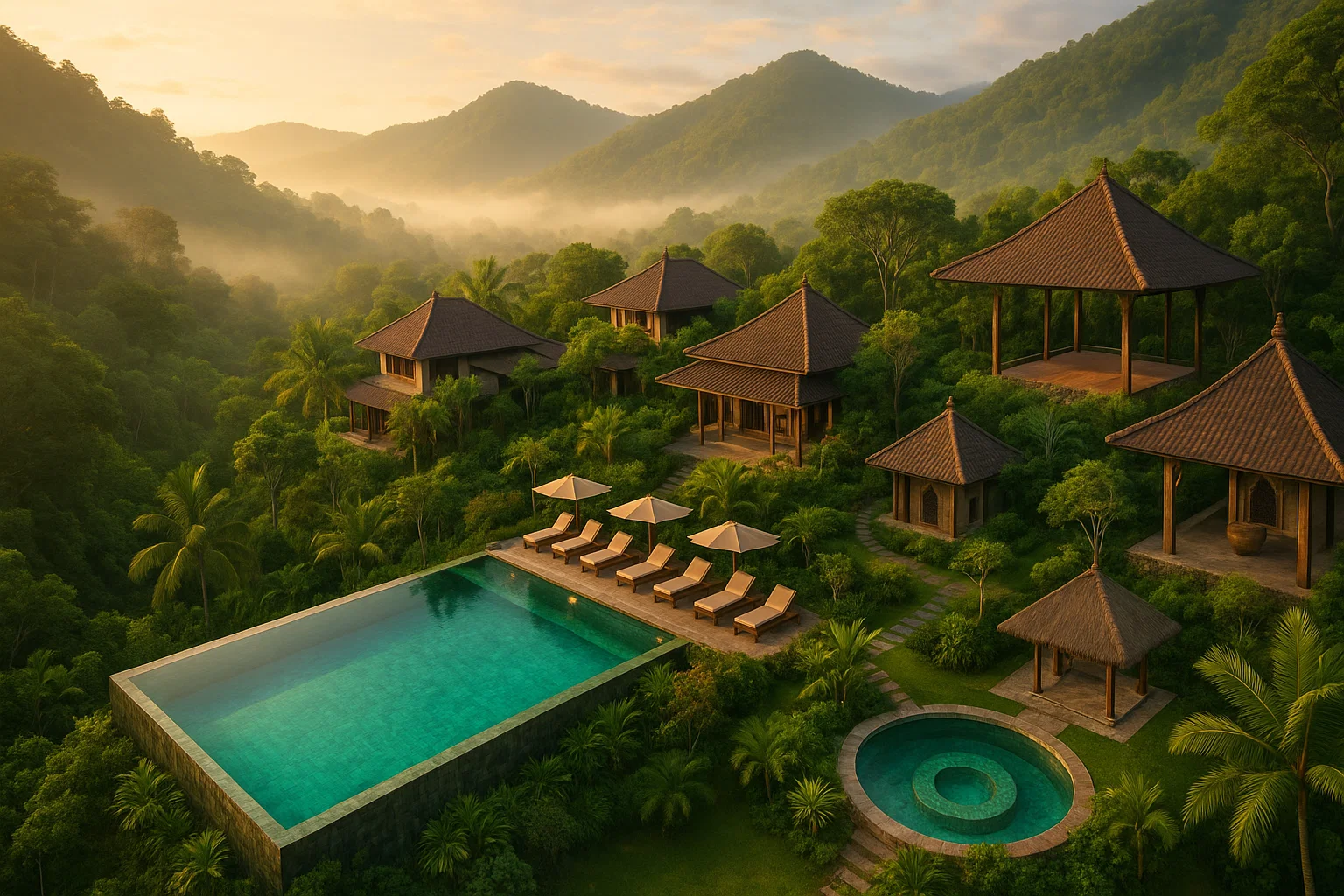
Tigris Valley, Renowned for its ancient healing tradition of Ayurveda, we offers a unique approach to stroke treatment in Kerala and rehabilitation, blending centuries-old wisdom with modern science to unlock the body’s innate healing potential.

Understanding Stroke and Its Impact:

A stroke, often referred to as a brain attack, occurs when blood flow to the brain is disrupted, leading to damage of brain cells. This interruption can result from a clot blocking a blood vessel (ischemic stroke) or from a burst blood vessel causing bleeding into the brain (hemorrhagic stroke). Regardless of the type, strokes can have devastating consequences, affecting mobility, speech, cognition, and overall quality of life.

The Ayurvedic Perspective on Stroke Rehabilitation:

In Ayurveda, stroke is viewed as a manifestation of imbalances in the body’s doshas—Vata, Pitta, and Kapha—as well as disturbances in the dhatus (tissues) and malas (waste products). According to Ayurvedic principles, stroke rehabilitation involves not only addressing the physical consequences of the stroke but also restoring harmony to the body, mind, and spirit.

Ayurvedic Treatment Modalities for Stroke Rehabilitation:

stroke treatment in Kerala

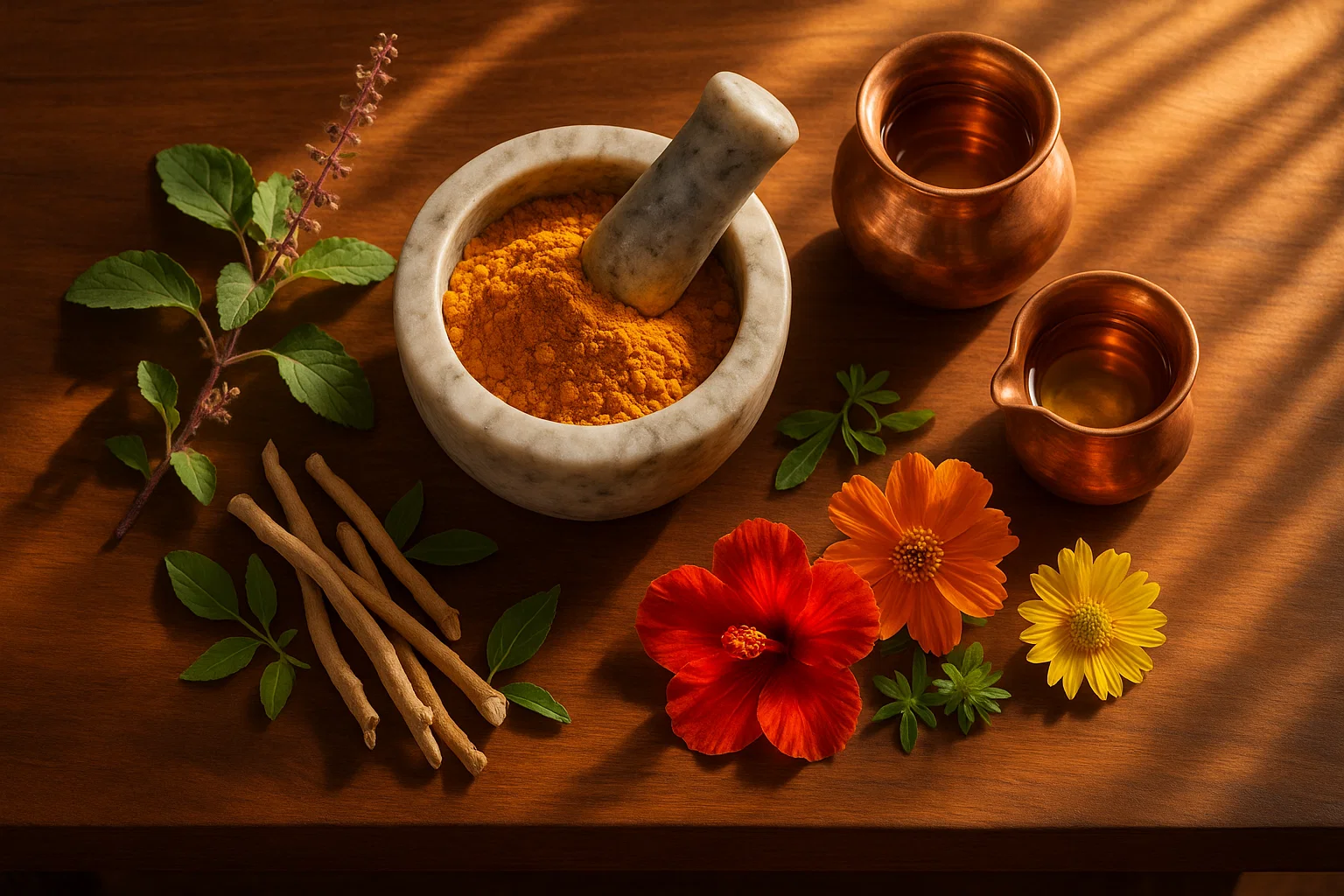
1. Herbal Medicines: Ayurvedic treatment practitioners prescribe customized herbal formulations to address the underlying imbalances contributing to the stroke. These may include herbs known for their neuroprotective properties, such as Brahmi (Bacopa monnieri), Ashwagandha (Withania somnifera), and Shankhpushpi (Convolvulus pluricaulis), which support cognitive function, nerve regeneration, and overall brain health.

2. Panchakarma Therapy: Panchakarma, the detoxification and rejuvenation therapy of Ayurveda, plays a vital role in ayurveda stroke rehabilitation treatment. Through procedures like Abhyanga (therapeutic oil massage), Shirodhara (continuous pouring of warm oil on the forehead), and Basti (medicated enema), Panchakarma aims to eliminate toxins, improve circulation, and restore vitality to the nervous system.

3. Dietary Modifications: Ayurvedic dietary guidelines focus on nourishing the body while pacifying aggravated doshas. Nutrient-rich foods that are easy to digest, such as cooked vegetables, whole grains, and soups, are recommended. Additionally, specific spices and herbs known for their neuroprotective and anti-inflammatory properties, such as turmeric, ginger, and cinnamon, are incorporated into the diet to support the healing process.

4. Therapeutic Massages and Exercises: Gentle massage therapies, such as Abhyanga and Pizhichil (squeezing warm medicated oil onto the body), help improve circulation, reduce muscle stiffness, and promote relaxation. Ayurvedic exercises, including yoga and pranayama (breathing techniques), are also beneficial for enhancing flexibility, coordination, and overall well-being.

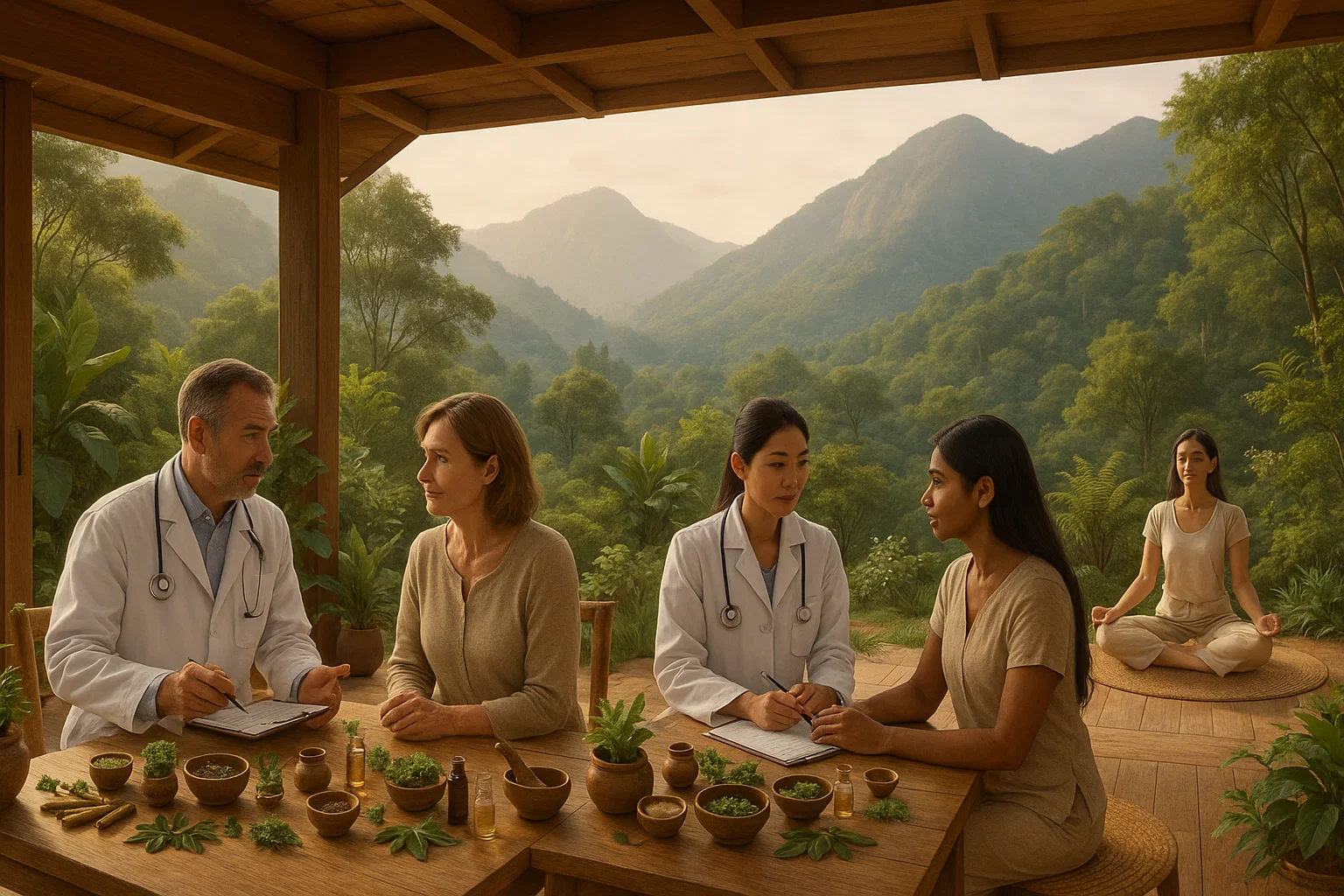
Kerala, often referred to as the “Land of Ayurveda,” offers an ideal setting for stroke rehabilitation, with its tranquil environment, skilled practitioners, and authentic Ayurvedic therapies. Here, individuals embark on a transformative journey toward recovery, guided by experienced Ayurvedic physicians who tailor treatment plans to address their unique needs and goals.

In Kerala, the ancient healing tradition of Ayurveda offers a beacon of hope for stroke survivors, providing a comprehensive approach to rehabilitation that encompasses physical, mental, and spiritual well-being. Through a combination of herbal medicines, treatments, dietary modifications, and lifestyle interventions, Ayurvedic stroke rehabilitation unlocks the body’s innate healing potential, allowing individuals to reclaim their lives with renewed vitality and purpose.


Share on:

Vanaparvam Biodiversity Park

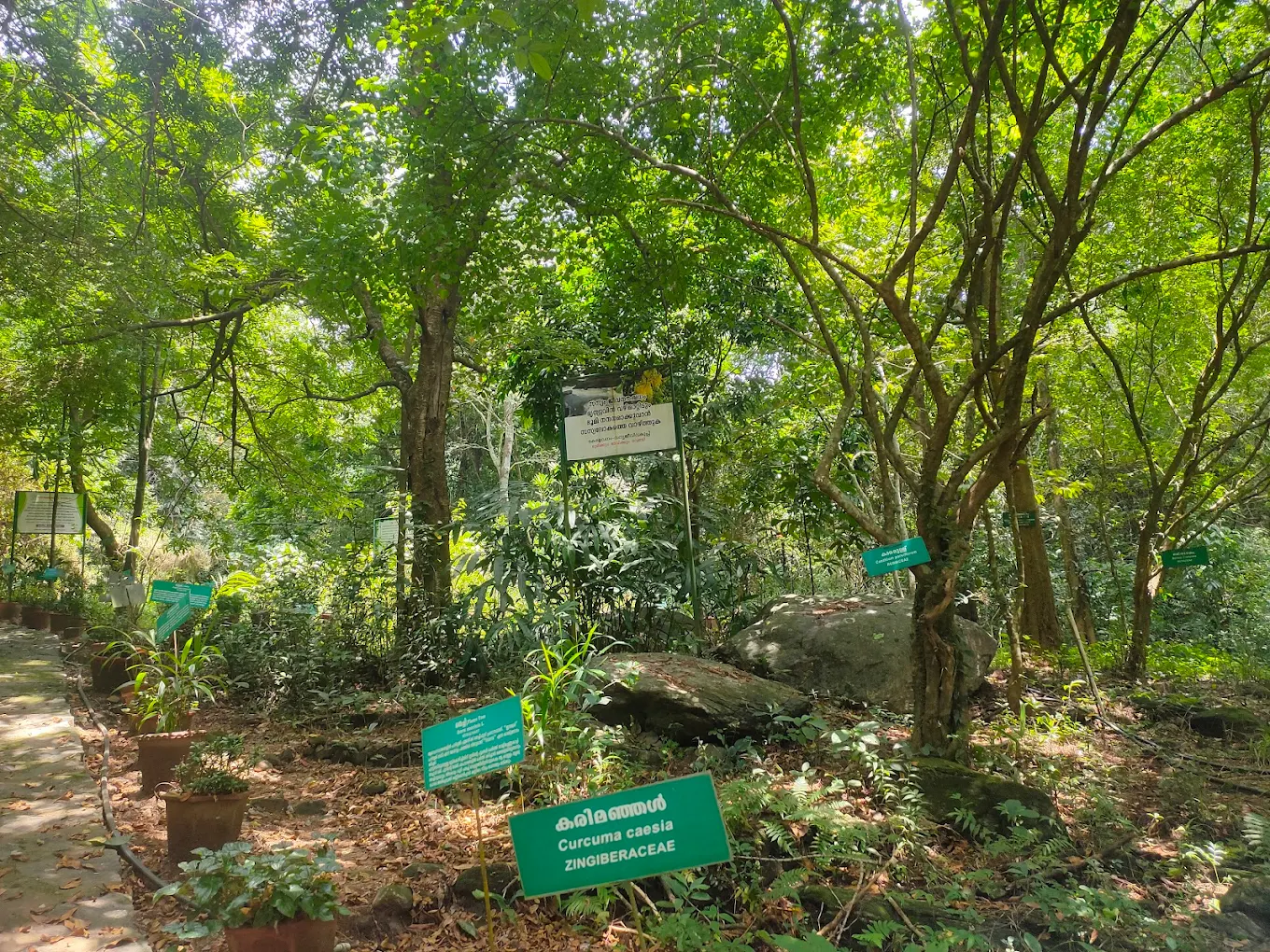
Vanaparvam Biodiversity Park, located about 43 km from Kozhikode city, forms part of the Thamarassery forest range and spans 111.4 hectares. The park is home to over 2,300 plant species, including 150 varieties of medicinal plants, 23 species of bamboo, and 20 types of orchids.

A walk through this natural forest offers a rare opportunity to experience the rich diversity of wild flora. Visitors can also admire the playful “dancing fishes” from the wooden suspension bridge across the Pathipara River. Adding to its charm are the scenic Muyalpara and Pathipara waterfalls. The highlights of the park include the unique Nakshatra Vanam and the serene Bambusetum, making it a must-visit for nature lovers.

Kozhikode Thusharagiri Waterfalls

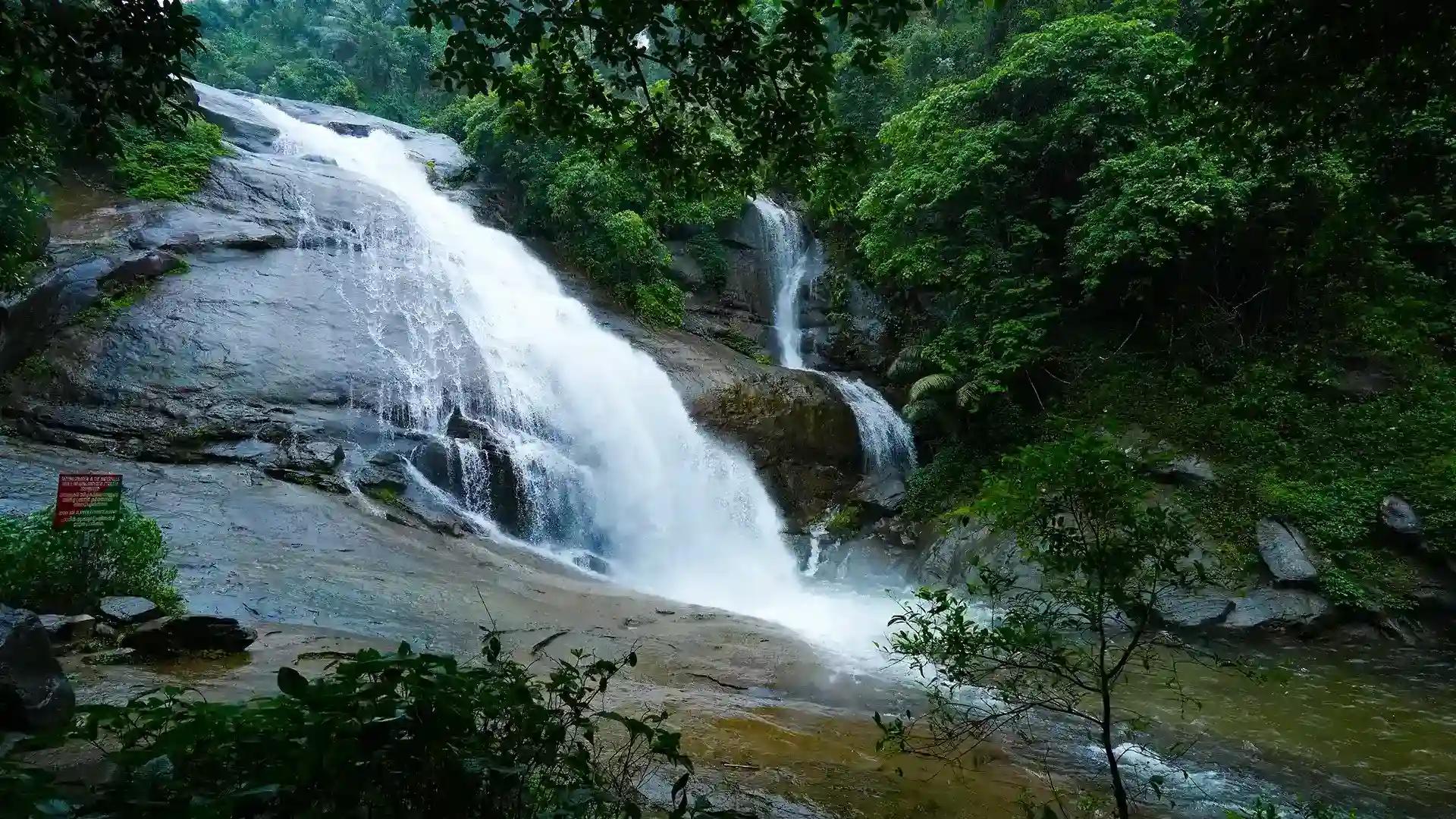
Tucked away in the verdant Western Ghats of Kerala, Thusharagiri Waterfalls in Kozhikode district is a mesmerizing destination celebrated for its natural charm, serenity, and adventurous spirit. The name Thusharagiri, meaning “snow-capped mountains,” comes from the fine mist rising from the falls, creating a dreamlike atmosphere that captivates every visitor. Surrounded by dense forests and rich biodiversity, it offers the perfect escape for those in search of nature, adventure, and relaxation.

Thusharagiri comprises three cascading waterfalls, with the main fall, Erattumukku, dropping dramatically from a height of 75 meters. The other two, Thenpara and Mazhavil Chattom, are equally enchanting, each unveiling its own scenic beauty. Framed by lush greenery and alive with birdsong, the waterfalls provide an idyllic setting for trekking, photography, or simply soaking in the tranquil surroundings.

Banasura Sagar Dam

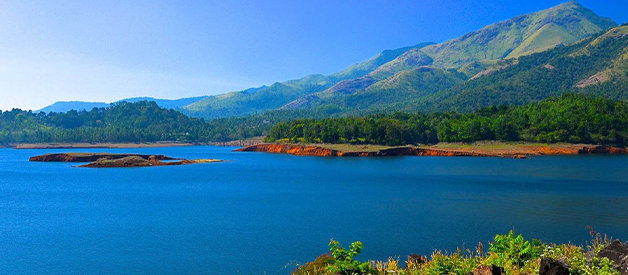
Nestled in the breathtaking landscapes of Tigris Valley, the Banasura Sagar Dam stands as a testament to both human ingenuity and natural beauty. This magnificent earthen dam, the largest of its kind in India and the second largest in Asia, offers a stunning amalgamation of engineering prowess and picturesque surroundings. Banasura Sagar dam 45 km- Banasura Sagar is the largest earthen dam in India. It lies in Wayanad district. It is one of the popular tourist destinations with the famous trekking spot, Banasura Hill nearby. The dam presents a range of activities for visitors, including trekking in the nearby Banasura Hills, exhilarating boating experiences, and a chance to immerse oneself in the local culture and cuisine. The welcoming locals and seamless accessibility make the Banasura Sagar Dam a must-visit destination for anyone exploring the wonders of the Tigris Valley.

Unveil the Enchanting Beauty of Chembra Peak in Tigris Valley

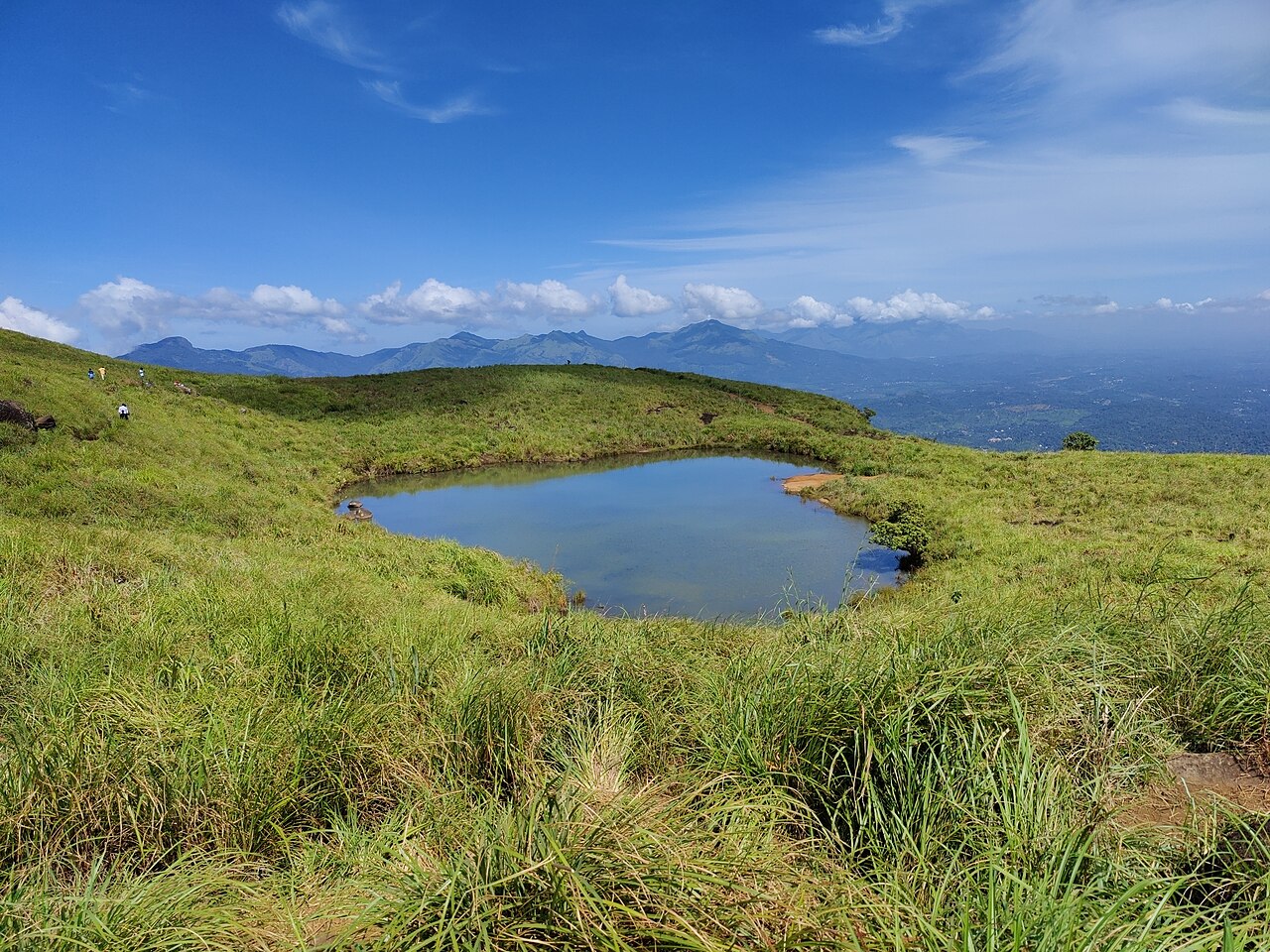
Rising majestically in the captivating landscape of the Tigris Valley, Chembra Peak stands as the highest peak in the region, offering a mesmerising blend of natural beauty and adventure. Chembra peak 47 km – Chembra Peak is situated 2100 meter above sea level and is flanked by hills, tea plantations and lush green valleys. This iconic peak allures trekkers and nature enthusiasts with its lush greenery, pristine lakes, and panoramic vistas that leave an indelible mark on every visitor. The trek to the summit presents an exhilarating journey through dense forests and picturesque meadows, culminating in a breathtaking heart-shaped lake, known as the ‘Hridaya Saras’ or the ‘Lake of the Heart.’ Whether you’re an avid trekker seeking an adrenaline rush or a nature lover longing for tranquillity, Chembra Peak promises an unforgettable experience that epitomises the allure of the Tigris Valley.

Immerse Yourself in the Rich Wildlife of Tigris Valley

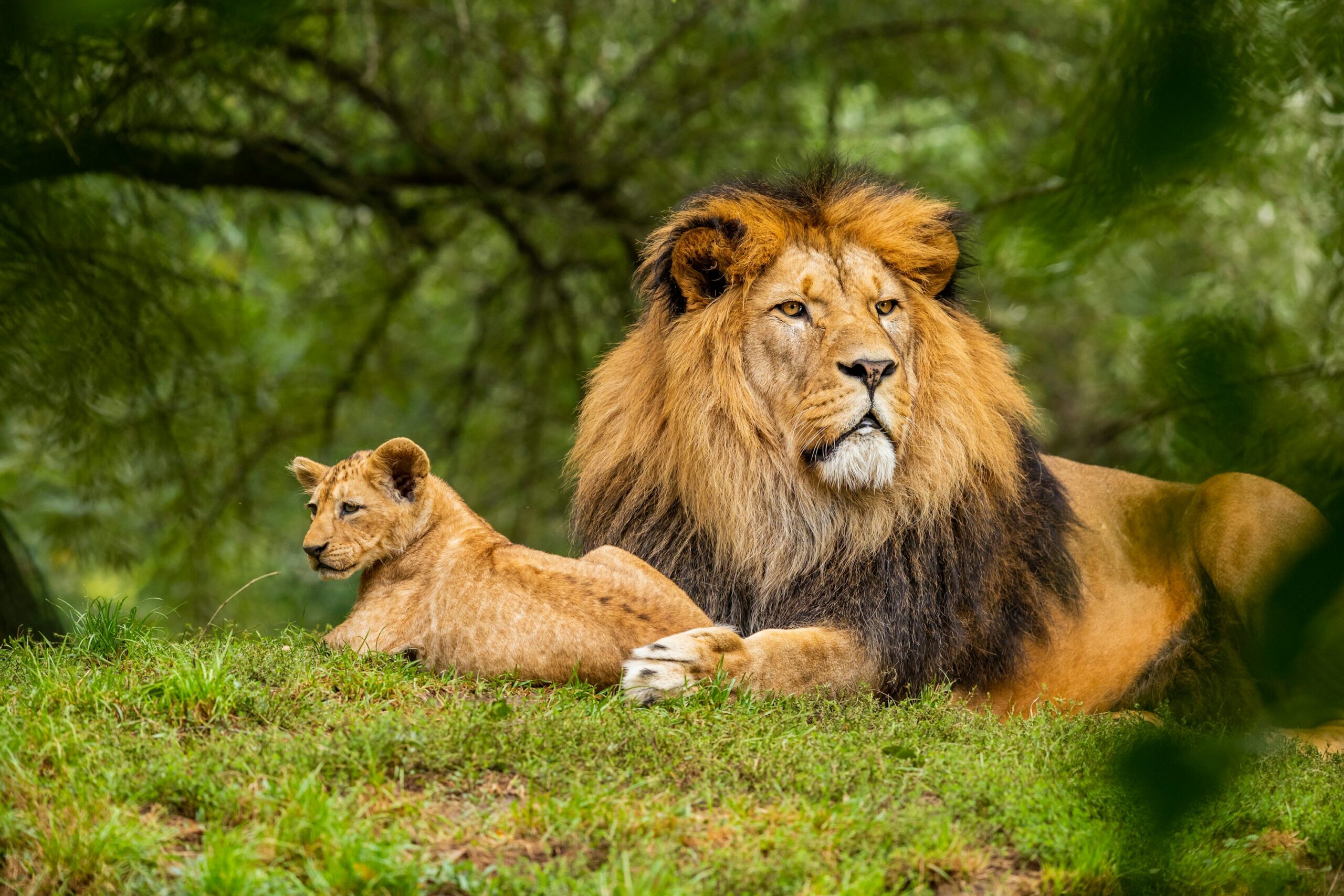
Encompassing a diverse ecosystem of lush forests, rolling hills, and pristine water bodies, the Tigris Valley is home to a rich variety of wildlife, making it a paradise for nature enthusiasts. Find wildlife that is varied and unique to this region of the Western Ghats, in all their magnificence, just outside the Tigris Valley Retreat. The region boasts a vibrant array of flora and fauna, including a diverse range of avian species, exotic mammals, and rare plant life, providing a captivating experience for those passionate about nature and wildlife. Whether you are an avid birdwatcher, a wildlife photographer, or simply someone who revels in the beauty of the natural world, the Tigris Valley offers a unique opportunity to witness the wonders of the animal kingdom in their natural habitat.

Unravel the Mystique of Edakkal Caves

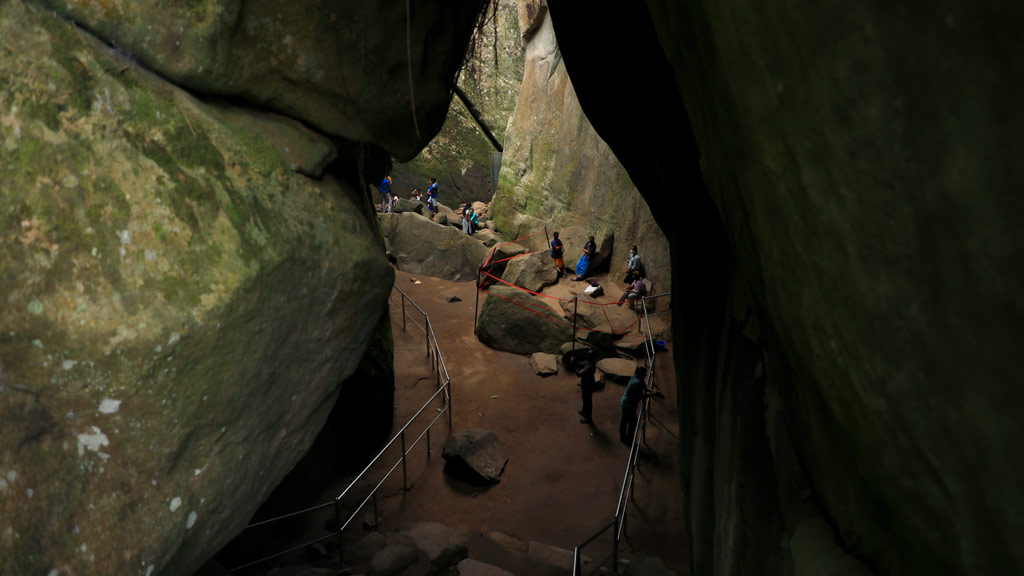
The captivating terrain of the Tigris Valley, the Edakkal Caves stand as an ancient testament to human civilization and natural wonder. Edakkal caves 54 km- Edakkal caves are two natural caves which lie 1200 meter above sea-level. These historic caves, renowned for their prehistoric carvings and ancient inscriptions, offer a unique glimpse into the rich cultural heritage and artistic legacy of the region. The trek to the caves, set against a backdrop of scenic beauty and lush greenery, presents an adventure that combines history, archaeology, and natural splendour, making it a must-visit destination for history enthusiasts and nature lovers alike. Explore the enigmatic corridors of the Edakkal Caves, and unlock the secrets of the past while immersing yourself in the breathtaking landscapes of the Tigris Valley.

Immerse Yourself in the Serenity of Kuruva Island

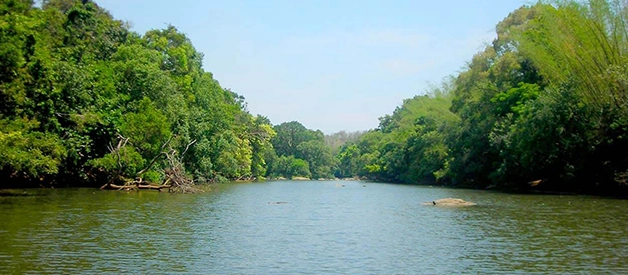
Located in the enchanting beauty of the Tigris Valley, Kuruva Island presents a serene and idyllic retreat for nature enthusiasts and peace-seekers alike. Kuruva island 63 km – Kuruva Island comprise of a group of islands in the middle of Kabini River. Spreading over 950 acres of land, Kuruva Island is blessed with rich flora and fauna. This verdant delta, formed by the tributaries of the Kabini River, is renowned for its lush greenery, diverse flora and fauna, and tranquil ambience, offering visitors an opportunity to reconnect with nature in its purest form. The island’s dense, evergreen forests, sparkling streams, and rare species of plants and birds create a haven for eco-tourism and a perfect setting for a leisurely escape from the bustling city life. Whether you are seeking solitude amidst nature’s embrace or hoping to indulge in a peaceful picnic by the riverside, Kuruva Island promises a rejuvenating experience that will leave you refreshed and rejuvenated.

Delight in the Serene Beauty of Pookode Lake

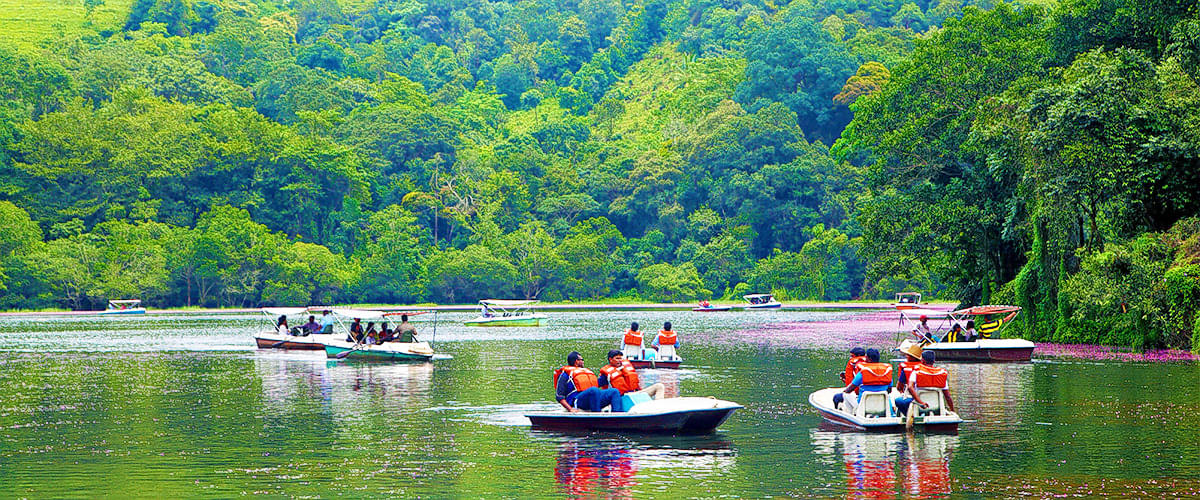
Pookode Lake stands as a tranquil oasis, offering a perfect blend of natural splendour and serene ambience. Pookode lake 17 km- Pookode is a natural freshwater lake that lies 770 meters above sea level. Encircled by lush greenery and rolling hills, this freshwater lake allures visitors with its crystal-clear waters, scenic walking trails, and rich biodiversity. Boating enthusiasts can enjoy a leisurely ride on the tranquil waters, while nature lovers can explore the surrounding forests teeming with diverse flora and fauna. With its peaceful atmosphere and breathtaking views, Pookode Lake provides a perfect escape for those seeking solace in the lap of nature or looking to indulge in a peaceful retreat away from the bustling city life.