What are the Benefits of Wellness Retreats?

Introduction: The Rising Popularity of Wellness Retreats

In today’s hyper-connected world, chronic stress, burnout, and lifestyle-related health issues have reached epidemic proportions. The constant digital noise, workplace pressures, and fast-paced living have left many feeling depleted, disconnected, and desperately seeking balance.

This growing crisis has fueled an unprecedented surge in wellness tourism, with more people turning to specialized retreats as a solution for holistic rejuvenation. According to recent data, the global wellness tourism market is projected to reach $1.1 trillion by 2025, growing at a remarkable rate of 7.5% annually.

But what makes wellness retreats so transformative? Are they worth the investment? And how do they differ from regular vacations?
What Exactly is a Wellness Retreat?

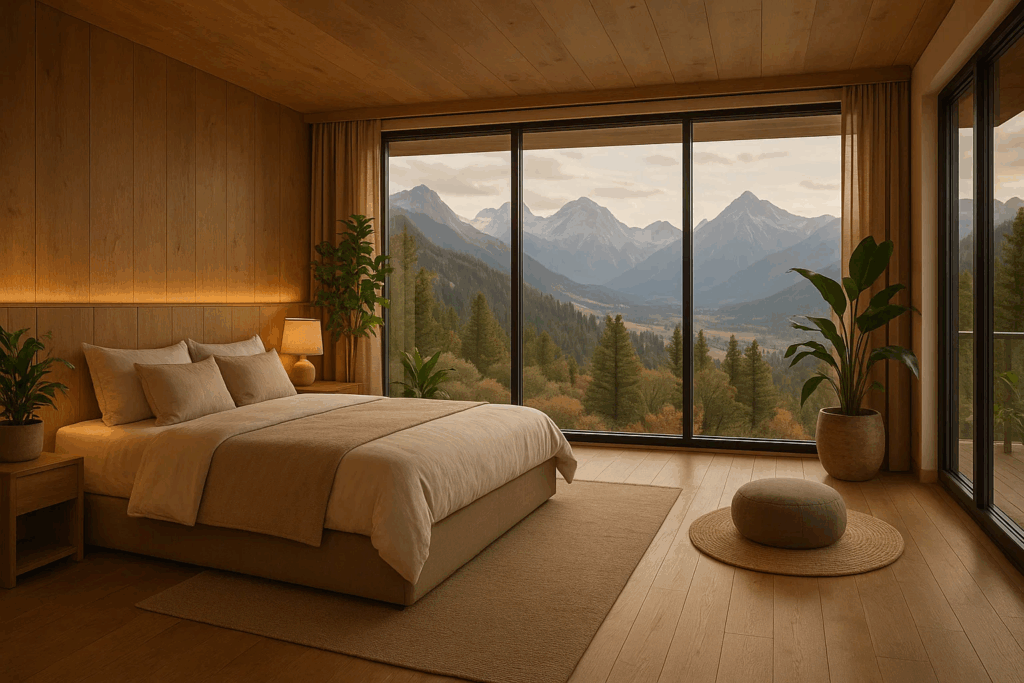
A wellness retreat is far more than just a relaxing getaway. It’s a purposefully designed immersive experience focused on promoting physical, mental, emotional, and sometimes spiritual well-being. Unlike traditional vacations that often leave you needing “a vacation from your vacation,” wellness retreats are structured to send you home feeling genuinely restored and empowered with new health practices.

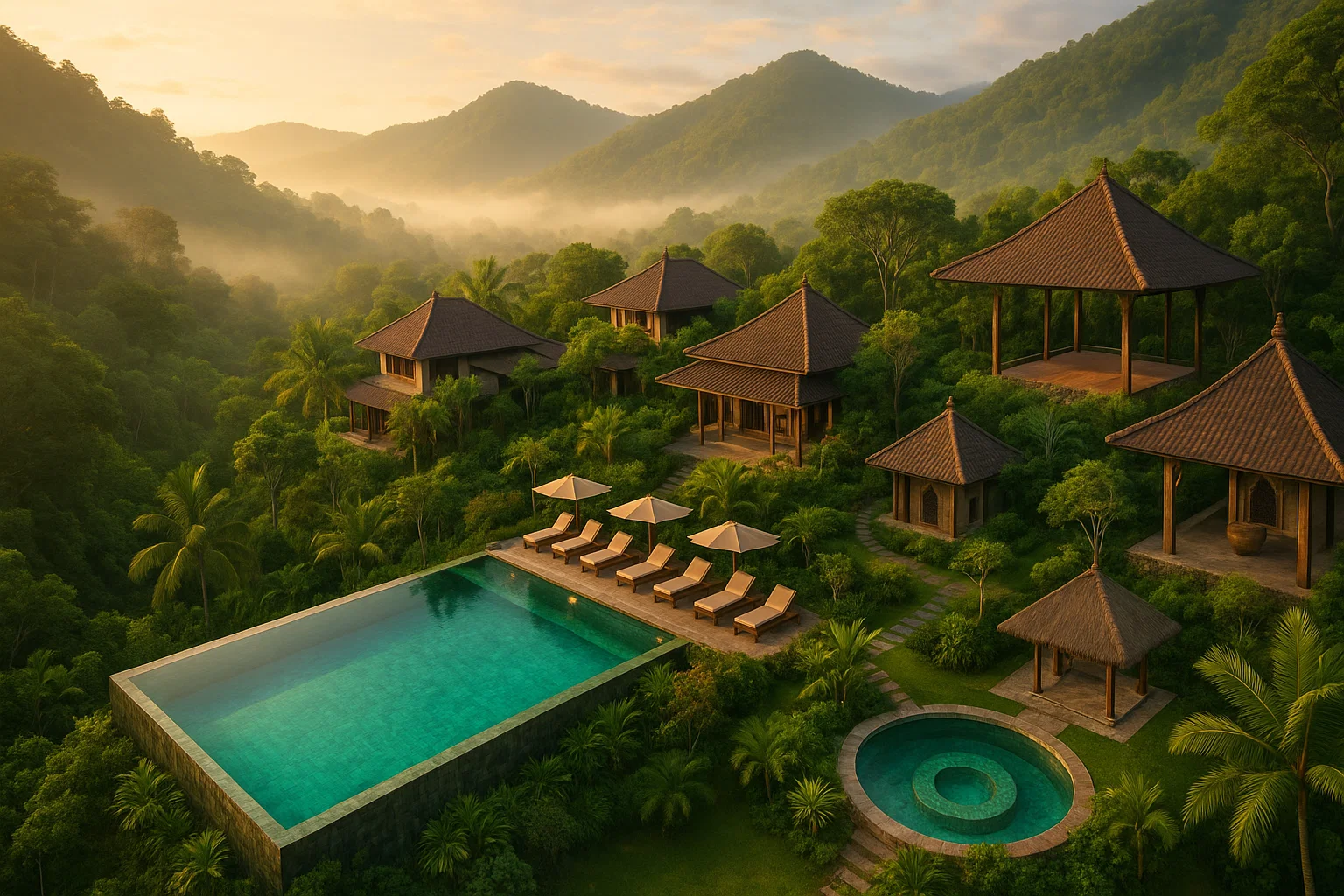
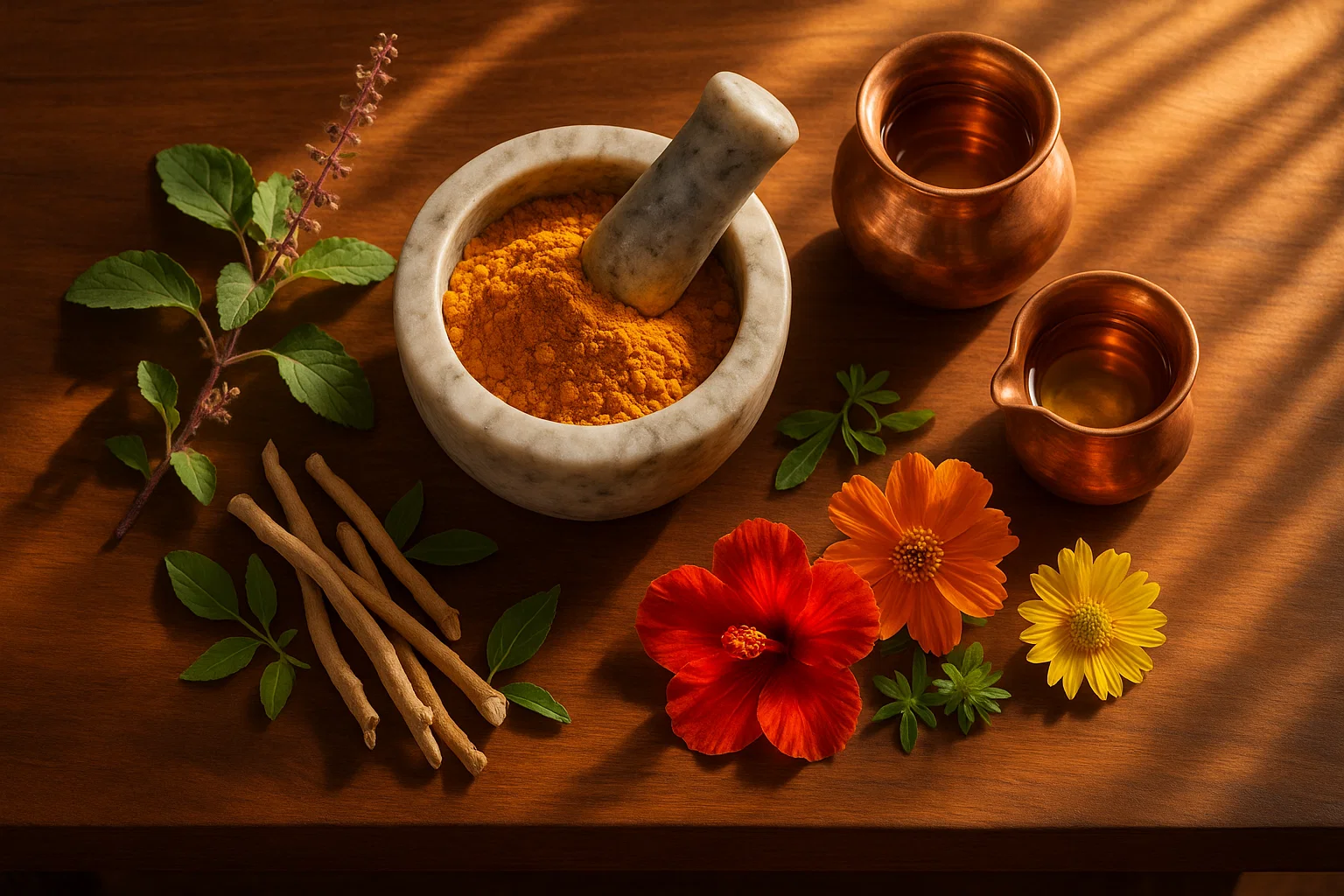
The most effective retreats, like Tigris Valley’s programs, combine multiple healing modalities—such as Ayurveda, functional medicine, nature therapy, and personalized nutrition—in serene, natural settings that amplify the healing process. This comprehensive approach creates a powerful environment for transformation that simply cannot be replicated in day-to-day life.
The 10 Key Benefits of Wellness Retreats

1. Profound Stress Reduction and Burnout Recovery

One of the most immediate and powerful benefits of wellness retreats is their ability to dramatically reduce stress and facilitate recovery from burnout. The combination of removing external stressors, providing structured relaxation practices, and teaching sustainable stress management techniques creates a perfect environment for the nervous system to reset.

At specialized programs like the Stress & Burnout Recovery Program, participants experience:

  • Immediate physiological changes: Reduced cortisol levels, lowered blood pressure, and improved heart rate variability
  • Mental relief: Decreased anxiety, racing thoughts, and rumination
  • Emotional processing: Space to process accumulated emotional burdens
  • Sleep restoration: Many report improved sleep quality within just 2-3 days

These benefits aren’t just temporary—research shows that intensive stress reduction programs can create lasting changes in the brain’s stress response pathways, particularly when combined with ongoing practice.

2. Detoxification and Physical Rejuvenation

In our modern environment, we’re exposed to an unprecedented number of toxins through food, water, air, and consumer products. Wellness retreats offer structured detoxification programs that support the body’s natural cleansing processes.

Comprehensive detox programs like the Detox & Cleanse Program typically include:

  • Specialized nutrition protocols: Anti-inflammatory, organic, whole-food diets that reduce toxin intake while supporting elimination
  • Therapeutic treatments: Procedures like Panchakarma, lymphatic drainage, and infrared sauna sessions that enhance toxin elimination
  • Hydration therapy: Structured hydration with mineral-rich waters and herbal infusions
  • Movement practices: Specific exercises designed to stimulate circulation and lymphatic flow

The physical rejuvenation experienced through these protocols often manifests as improved energy, better digestion, clearer skin, reduced inflammation, and a strengthened immune system—benefits that can persist long after the retreat ends with proper maintenance.

3. Mental Clarity and Emotional Balance

Perhaps one of the most valuable yet underrated benefits of wellness retreats is the restoration of mental clarity and emotional equilibrium. The combination of reduced external stimuli, structured mindfulness practices, and therapeutic support creates an ideal environment for cognitive reset.

Participants regularly report:

  • Improved focus and concentration: The “mental fog” that accompanies chronic stress begins to lift
  • Enhanced creative thinking: New perspectives and solutions to persistent problems often emerge
  • Emotional processing: Suppressed emotions can surface and be processed in a supportive environment
  • Renewed sense of purpose: Many experience clarity about life priorities and direction

These mental and emotional benefits stem from physiological changes in the brain, including reduced inflammation, balanced neurotransmitter activity, and enhanced neuroplasticity—all facilitated by the retreat environment.

4. Holistic Healing for Chronic Conditions

For those struggling with chronic health conditions, wellness retreats offer comprehensive approaches that address root causes rather than just managing symptoms. The integration of multiple healing modalities can be particularly effective for conditions that haven’t responded well to conventional treatments alone.

Specialized programs like the Chronic Pain & Inflammation Management Program and Autoimmune Disorder Management Program provide targeted support through:

  • Personalized treatment protocols: Addressing individual triggers and imbalances
  • Reduced inflammatory burden: Through diet, stress reduction, and specialized therapies
  • Enhanced self-healing mechanisms: Supporting the body’s innate recovery processes
  • Educational components: Learning sustainable management strategies

Many retreat participants report significant improvements in conditions like chronic pain, autoimmune disorders, digestive issues, and stress-related ailments—often reducing their dependence on medications and experiencing improved quality of life.

5. Personalized Health Insights

Unlike generalized health advice, quality wellness retreats offer personalized assessments and individualized guidance. This customized approach delivers insights specific to your unique health profile, genetic predispositions, and lifestyle factors.

Advanced retreats typically include:

  • Comprehensive health consultations: Detailed medical history review and personalized recommendations
  • Specialized diagnostic testing: Identifying underlying imbalances not detected in standard medical tests
  • Experiential learning: Discovering which practices most effectively address your specific challenges
  • Expert interpretation: Healthcare professionals who can translate complex health information into actionable steps

These personalized insights often reveal connections between seemingly unrelated symptoms and provide clarity about the most effective path toward improved health—a benefit that continues to yield dividends long after the retreat ends.

6. Sustainable Lifestyle Transformation

Perhaps the most valuable long-term benefit of wellness retreats is their ability to facilitate genuine lifestyle transformation. The immersive experience serves as a powerful pattern interrupt, creating an opportunity to establish new habits in a supportive environment.

Effective retreats include:

  • Skill-building components: Practical training in nutrition, movement, stress management, and self-care
  • Habit formation support: Structured activities that reinforce positive patterns
  • Motivational enhancement: Connecting health practices to deeper personal values
  • Transition planning: Specific strategies for maintaining changes after returning home

Research on habit formation suggests that the immersive nature of retreats can accelerate the establishment of new patterns, making them more likely to persist when participants return to their regular environments—especially when follow-up support is provided.

7. Connection with Nature

The healing power of nature is a cornerstone benefit of wellness retreats, particularly those situated in pristine natural environments like Tigris Valley’s mountain sanctuary. Emerging research in the field of ecotherapy strongly supports what we intuitively know: nature exposure has profound effects on human health.

Benefits of nature-based healing include:

  • Reduced stress markers: Studies show significant decreases in cortisol and blood pressure during forest immersion
  • Improved immune function: Exposure to phytoncides (compounds emitted by trees) has been shown to boost natural killer cell activity
  • Enhanced mood: Nature exposure increases serotonin and endorphin levels
  • Cognitive restoration: Natural environments reduce mental fatigue and restore attention

These benefits are amplified in retreat settings where structured nature activities like forest bathing, mountain hikes, and outdoor meditation are integrated into the healing program.

8. Disconnect from Digital Overload

In our hyperconnected world, the opportunity to genuinely disconnect from digital devices represents a rare and increasingly valuable form of luxury. Most wellness retreats encourage limited or no technology use, creating space for deep reconnection with yourself and your immediate experience.

This digital detox component offers:

  • Nervous system regulation: Reduced exposure to the stress-inducing effects of constant connectivity
  • Present moment awareness: Enhanced ability to be fully engaged in the now
  • Improved sleep quality: Freedom from blue light exposure and notification-induced stress
  • Restored attention capacity: Recovery from the cognitive fragmentation caused by constant digital multitasking

Many participants report that this digital disconnect becomes one of the most unexpectedly beneficial aspects of their retreat experience, inspiring more mindful technology use upon returning home.

9. Expert-Guided Health Practices

Access to genuine health experts is increasingly difficult in conventional healthcare settings where appointment times are shrinking and specialists are overbooked. Quality wellness retreats offer extended access to experienced practitioners across multiple disciplines.

At comprehensive centers like Tigris Valley, participants benefit from:

  • Personalized instruction: Learning proper technique directly from skilled practitioners
  • Integrated expertise: Consulting with professionals who collaborate across specialties
  • Experiential learning: Trying different approaches under expert guidance to discover what works best
  • Questions answered: Having the time and space to gain deeper understanding of health practices

This level of expert guidance accelerates the learning process and helps participants avoid common pitfalls when implementing new health practices—increasing the likelihood of long-term success.

10. Community and Supportive Relationships

While often overlooked, the social dimension of wellness retreats provides powerful benefits. Sharing the experience with like-minded individuals creates a supportive community that enhances the healing process.

Research consistently shows that social connection is a critical factor in health outcomes, and retreats foster this through:

  • Shared experiences: Creating bonds through collective participation in transformative activities
  • Normalized healing: Reducing feelings of isolation often experienced with health challenges
  • Expanded perspectives: Learning from others’ journeys and insights
  • Accountability relationships: Connections that can support continued progress after the retreat

Many participants report that the relationships formed during retreats become an unexpected source of ongoing support, with some maintaining connections for years afterward.

Who Can Benefit Most from Wellness Retreats?

While wellness retreats offer benefits for virtually everyone, they can be particularly transformative for certain groups:

  • High-stress professionals: Executives, healthcare workers, and others in demanding careers who rarely get genuine downtime
  • Those recovering from significant health challenges: Including burnout, surgery, or major illness
  • Individuals at transition points: Career changes, relationship shifts, or other major life transitions
  • People with chronic conditions: Those seeking complementary approaches to conditions like autoimmune disorders, metabolic issues, or chronic pain
  • Caretakers: Those who regularly care for others but rarely invest in their own wellbeing
  • Health-conscious individuals: People proactively looking to optimize their wellness or prevent future problems

Programs like the Post-Trauma & Rehabilitation Program or Anti-Aging & Longevity Program are specifically designed to address the needs of these distinct groups.

How to Choose the Right Wellness Retreat

With the wellness tourism industry booming, the options can be overwhelming. Here are key factors to consider when selecting a retreat that will deliver genuine benefits:

  • Program focus: Identify retreats specifically designed for your primary health goals
  • Methodology: Look for centers that integrate multiple evidence-based approaches
  • Practitioner credentials: Research the qualifications of the medical and wellness team
  • Setting: Consider how the location and environment will contribute to your experience
  • Personalization: Prioritize programs offering individualized assessments and treatments
  • Reviews and testimonials: Seek feedback from previous participants
  • Post-retreat support: Consider what follow-up resources are provided

The most effective retreats, like those at Tigris Valley, combine medical expertise, traditional healing wisdom, and modern wellness approaches in a naturally healing environment.

What to Expect During Your Wellness Retreat

Understanding what to expect can help you maximize the benefits of your retreat experience:

  1. Initial assessment: Most quality programs begin with a comprehensive evaluation of your current health status and goals
  2. Structured daily schedule: A balanced mix of treatments, activities, rest, and personal time
  3. Nutritional component: Specially designed meals that support the program’s therapeutic goals
  4. Treatment sessions: Individual therapies tailored to your specific needs
  5. Group activities: Classes, workshops, and shared experiences that build community
  6. Educational elements: Learning opportunities to help you maintain benefits after the retreat
  7. Personalized guidance: One-on-one consultations with health specialists
  8. Transition planning: Preparation for integrating new practices into your daily life

The exact structure varies by program type, with specialized retreats like the Cardio-Metabolic Health & Recovery Program or Cancer Support Program including additional medical components.

The Science Behind Wellness Retreat Benefits

The benefits of wellness retreats aren’t just anecdotal—a growing body of research supports their effectiveness. Key scientific findings include:

  • Stress hormone reduction: Multiple studies show significant decreases in cortisol levels following retreat experiences
  • Inflammatory marker improvements: Research demonstrates reduced systemic inflammation after intensive wellness interventions
  • Gene expression changes: Emerging research suggests that intensive lifestyle interventions can influence the expression of hundreds of genes related to stress response and immunity
  • Brain function enhancement: Studies using functional MRI show improved brain connectivity patterns following meditation retreats
  • Telomere impact: Preliminary research indicates that comprehensive wellness programs may influence telomere length, a marker of cellular aging

This scientific validation helps explain why the benefits of well-designed retreats often persist long after participants return home.

Integrating Retreat Benefits into Everyday Life

To maximize the long-term benefits of your wellness retreat experience:

  1. Start small: Begin with the 1-2 practices that had the most impact during your retreat
  2. Create routines: Establish specific times for your new health practices
  3. Modify your environment: Make changes to your home and workspace that support your wellness goals
  4. Leverage technology wisely: Use apps and tools that reinforce rather than undermine your new habits
  5. Schedule check-ins: Regular self-assessments to monitor your progress
  6. Find community: Connect with others who share your wellness priorities
  7. Plan retreat “microdoses”: Incorporate mini-retreat experiences into your regular schedule

Many retreat centers, including Tigris Valley, offer follow-up programs and resources specifically designed to support this integration process.

Frequently Asked Questions

How long should a wellness retreat be to experience significant benefits?

While even short retreats offer value, research suggests that 7-10 days is optimal for experiencing substantial benefits. This duration allows enough time for stress hormones to normalize, sleep patterns to improve, and new habits to begin forming. However, for more complex health issues, programs of 14-21 days, like those offered at Tigris Valley, may provide more comprehensive results.

Are wellness retreats worth the investment?

When comparing the cost of quality wellness retreats to conventional healthcare expenses, many find them to be remarkably cost-effective. The preventive aspects alone—potentially avoiding future medical interventions—can represent significant long-term savings. Additionally, the improvements in productivity, creativity, and quality of life often exceed the monetary investment for many participants.

What makes wellness retreats different from regular vacations?

Unlike typical vacations, wellness retreats are structured around specific health outcomes, guided by qualified professionals, and designed to facilitate lasting change. While vacations may provide temporary escape, well-designed retreats address root causes of health issues and equip participants with sustainable practices to continue their progress.

Can wellness retreats help with specific medical conditions?

Many wellness retreats, particularly those with medical supervision like Tigris Valley’s specialized programs, can effectively complement conventional treatment for conditions like autoimmune disorders, cardiovascular issues, chronic pain, and metabolic disorders. The integrative approach often addresses aspects of healing that standard medical care may not fully cover.

How do I prepare for a wellness retreat?

Optimal preparation includes: gradually reducing caffeine, alcohol, and processed foods before arrival; setting clear intentions for your experience; arranging a buffer day before returning to work; informing colleagues you’ll be minimally available; and approaching the experience with an open mind, even when activities push you outside your comfort zone.

Will the benefits of a wellness retreat last after I return home?

Research indicates that the benefits can persist when participants actively implement what they’ve learned. The most successful long-term outcomes typically involve: continuing key practices established during the retreat, making environmental modifications that support new habits, and utilizing follow-up support offered by the retreat center.

Are there different types of wellness retreats for different needs?

Absolutely. The wellness retreat market has evolved to include highly specialized programs targeting specific health concerns. From stress recovery and detoxification to autoimmune support and cardiac rehabilitation, programs like those at Tigris Valley are designed to address particular health challenges with tailored approaches.

Can couples or friends benefit from attending wellness retreats together?

Shared wellness experiences can strengthen relationships while providing individual benefits. Many retreat centers offer programs suitable for couples or friends, though it’s important to respect each person’s unique journey during the experience. Some find that going through transformation together creates a valuable shared language for continued health support.

What should I look for in the credentials of wellness retreat providers?

Prioritize retreats led by properly qualified professionals relevant to your health goals. For medical concerns, look for programs with licensed healthcare providers. For mind-body practices, check for recognized certifications in specific modalities. The best retreats, like Tigris Valley, feature multidisciplinary teams with expertise across relevant specialties.

How often should someone attend a wellness retreat for optimal benefits?

Many wellness professionals recommend a significant retreat experience at least annually, with shorter “refresh” retreats quarterly if possible. This rhythm allows for regular reset and recalibration while providing ongoing support for health goals. However, the ideal frequency varies based on individual stress levels, health challenges, and life circumstances.

Conclusion: Your Journey to Transformation

Wellness retreats offer far more than temporary escape—they provide a structured pathway to genuine transformation. By combining expert guidance, healing modalities, supportive community, and immersive experiences, these programs create the optimal conditions for resetting physical, mental, and emotional patterns.

In a world where chronic stress, lifestyle diseases, and disconnection have become the norm, the comprehensive benefits of wellness retreats represent a powerful antidote. The investment in this form of deep self-care yields returns that extend far beyond the retreat itself, potentially influencing every aspect of life from physical vitality and mental clarity to relationships and purposeful living.

As you consider your own wellness journey, remember that the greatest benefits come not just from the retreat experience itself, but from how you integrate its lessons into your daily life. The retreat is not the destination—it’s the launchpad for a more vibrant, balanced, and intentional way of living.

Ready to experience these transformative benefits firsthand? Explore the comprehensive wellness programs at Tigris Valley and take the first step toward your personal renewal.


Share on:

Vanaparvam Biodiversity Park

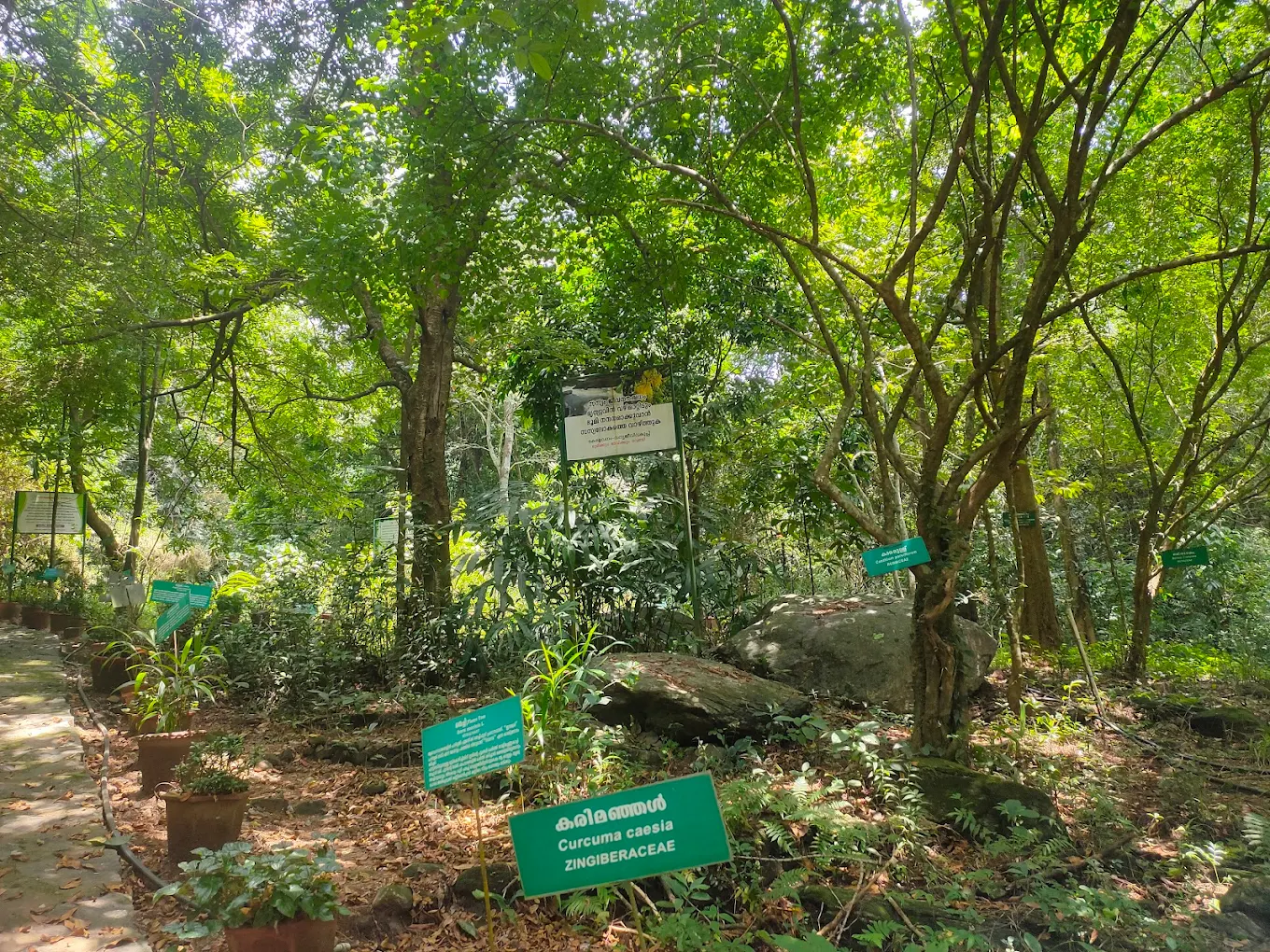
Vanaparvam Biodiversity Park, located about 43 km from Kozhikode city, forms part of the Thamarassery forest range and spans 111.4 hectares. The park is home to over 2,300 plant species, including 150 varieties of medicinal plants, 23 species of bamboo, and 20 types of orchids.

A walk through this natural forest offers a rare opportunity to experience the rich diversity of wild flora. Visitors can also admire the playful “dancing fishes” from the wooden suspension bridge across the Pathipara River. Adding to its charm are the scenic Muyalpara and Pathipara waterfalls. The highlights of the park include the unique Nakshatra Vanam and the serene Bambusetum, making it a must-visit for nature lovers.

Kozhikode Thusharagiri Waterfalls

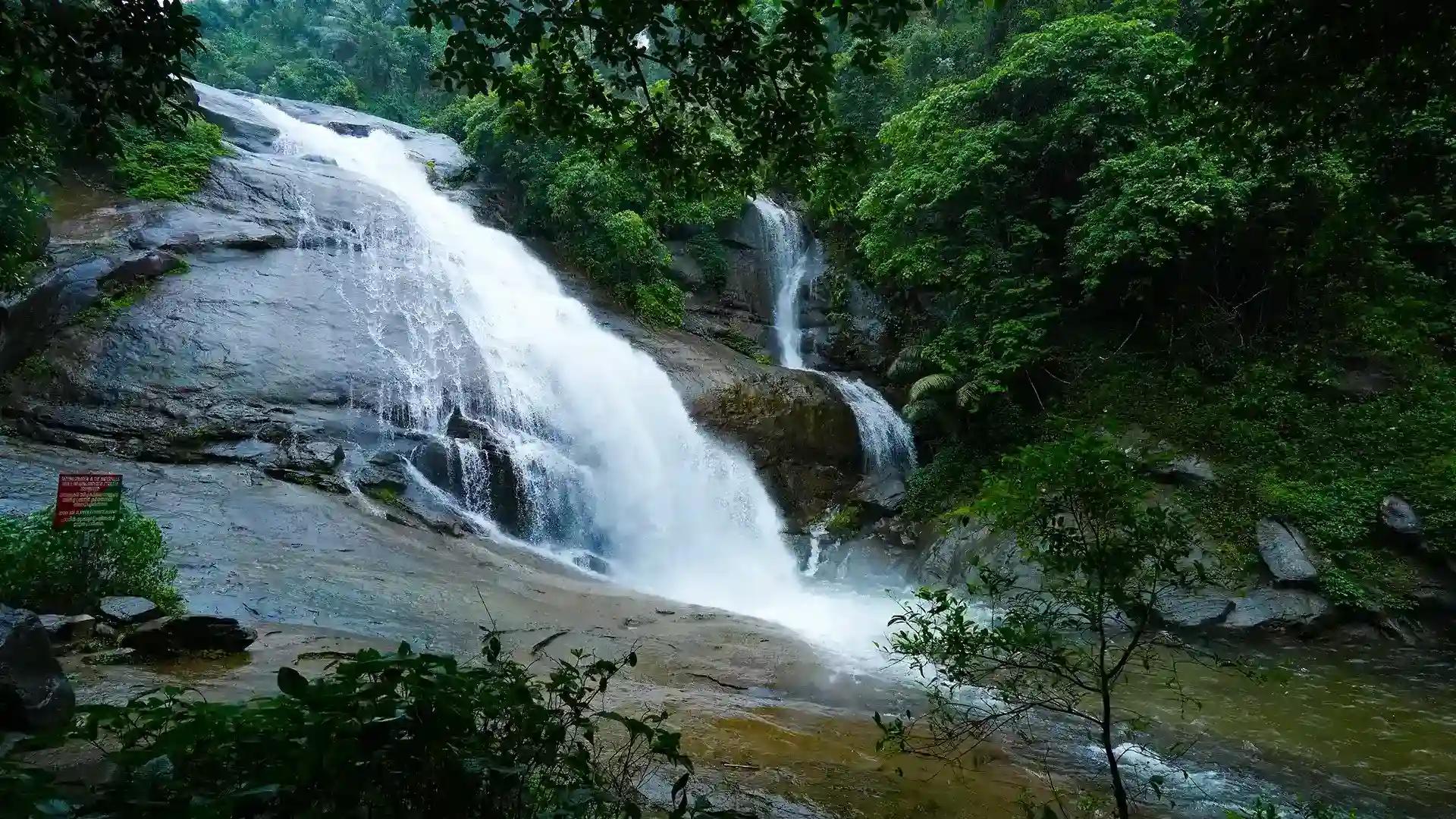
Tucked away in the verdant Western Ghats of Kerala, Thusharagiri Waterfalls in Kozhikode district is a mesmerizing destination celebrated for its natural charm, serenity, and adventurous spirit. The name Thusharagiri, meaning “snow-capped mountains,” comes from the fine mist rising from the falls, creating a dreamlike atmosphere that captivates every visitor. Surrounded by dense forests and rich biodiversity, it offers the perfect escape for those in search of nature, adventure, and relaxation.

Thusharagiri comprises three cascading waterfalls, with the main fall, Erattumukku, dropping dramatically from a height of 75 meters. The other two, Thenpara and Mazhavil Chattom, are equally enchanting, each unveiling its own scenic beauty. Framed by lush greenery and alive with birdsong, the waterfalls provide an idyllic setting for trekking, photography, or simply soaking in the tranquil surroundings.

Banasura Sagar Dam

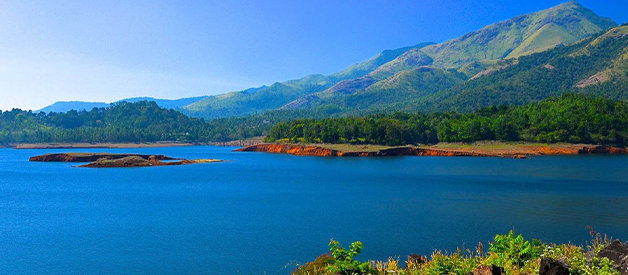
Nestled in the breathtaking landscapes of Tigris Valley, the Banasura Sagar Dam stands as a testament to both human ingenuity and natural beauty. This magnificent earthen dam, the largest of its kind in India and the second largest in Asia, offers a stunning amalgamation of engineering prowess and picturesque surroundings. Banasura Sagar dam 45 km- Banasura Sagar is the largest earthen dam in India. It lies in Wayanad district. It is one of the popular tourist destinations with the famous trekking spot, Banasura Hill nearby. The dam presents a range of activities for visitors, including trekking in the nearby Banasura Hills, exhilarating boating experiences, and a chance to immerse oneself in the local culture and cuisine. The welcoming locals and seamless accessibility make the Banasura Sagar Dam a must-visit destination for anyone exploring the wonders of the Tigris Valley.

Unveil the Enchanting Beauty of Chembra Peak in Tigris Valley

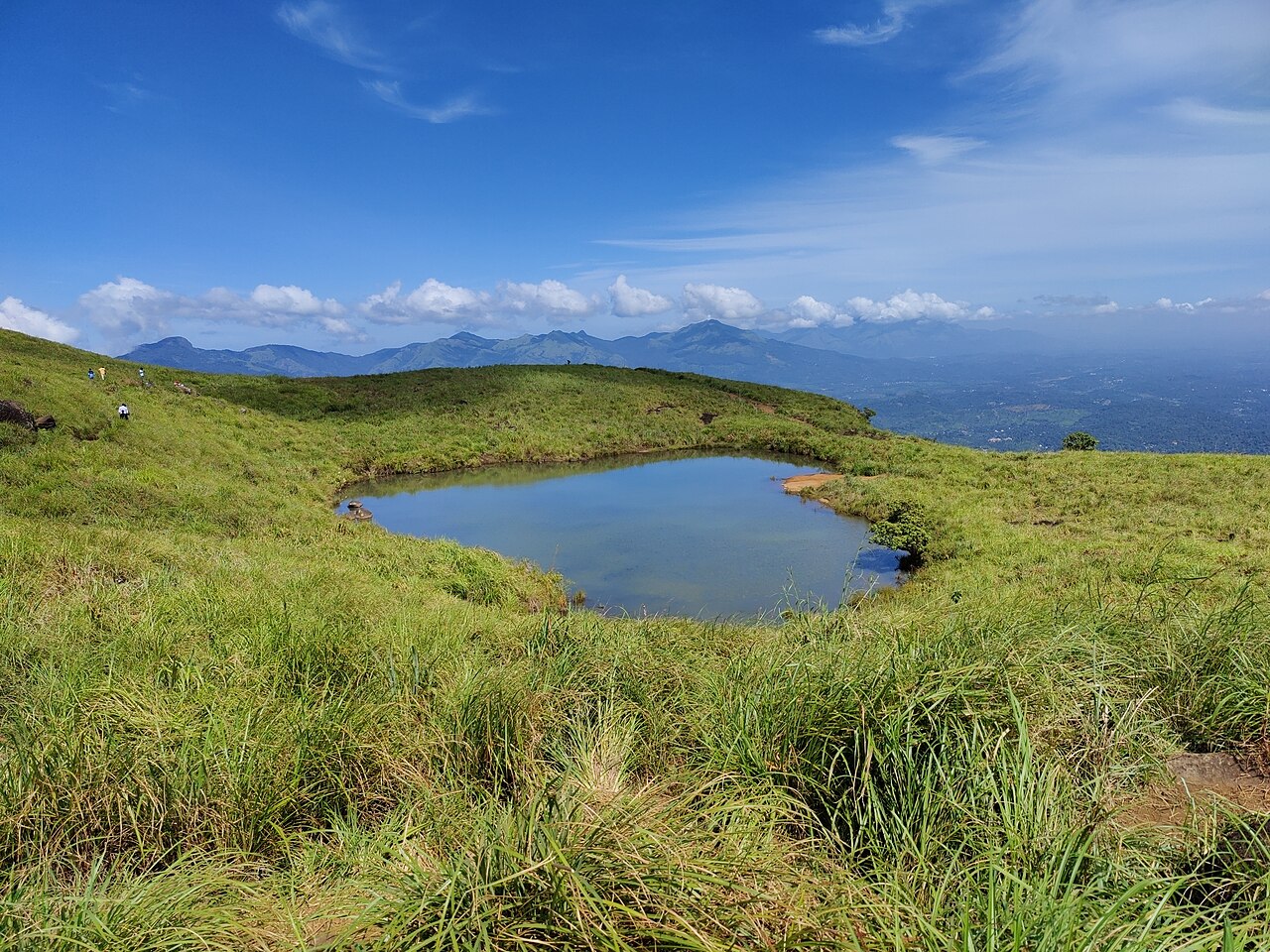
Rising majestically in the captivating landscape of the Tigris Valley, Chembra Peak stands as the highest peak in the region, offering a mesmerising blend of natural beauty and adventure. Chembra peak 47 km – Chembra Peak is situated 2100 meter above sea level and is flanked by hills, tea plantations and lush green valleys. This iconic peak allures trekkers and nature enthusiasts with its lush greenery, pristine lakes, and panoramic vistas that leave an indelible mark on every visitor. The trek to the summit presents an exhilarating journey through dense forests and picturesque meadows, culminating in a breathtaking heart-shaped lake, known as the ‘Hridaya Saras’ or the ‘Lake of the Heart.’ Whether you’re an avid trekker seeking an adrenaline rush or a nature lover longing for tranquillity, Chembra Peak promises an unforgettable experience that epitomises the allure of the Tigris Valley.

Immerse Yourself in the Rich Wildlife of Tigris Valley

Encompassing a diverse ecosystem of lush forests, rolling hills, and pristine water bodies, the Tigris Valley is home to a rich variety of wildlife, making it a paradise for nature enthusiasts. Find wildlife that is varied and unique to this region of the Western Ghats, in all their magnificence, just outside the Tigris Valley Retreat. The region boasts a vibrant array of flora and fauna, including a diverse range of avian species, exotic mammals, and rare plant life, providing a captivating experience for those passionate about nature and wildlife. Whether you are an avid birdwatcher, a wildlife photographer, or simply someone who revels in the beauty of the natural world, the Tigris Valley offers a unique opportunity to witness the wonders of the animal kingdom in their natural habitat.

Unravel the Mystique of Edakkal Caves

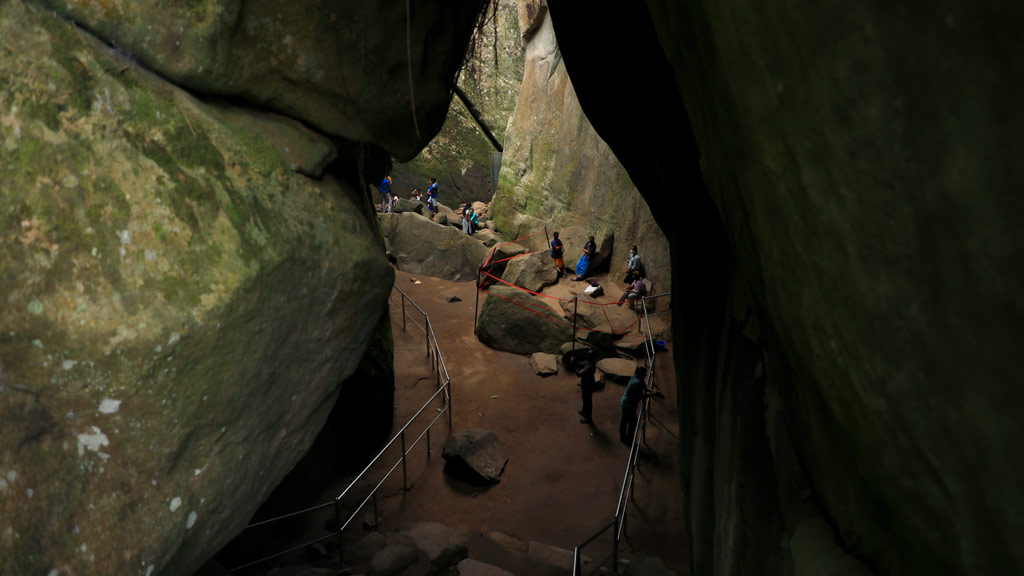
The captivating terrain of the Tigris Valley, the Edakkal Caves stand as an ancient testament to human civilization and natural wonder. Edakkal caves 54 km- Edakkal caves are two natural caves which lie 1200 meter above sea-level. These historic caves, renowned for their prehistoric carvings and ancient inscriptions, offer a unique glimpse into the rich cultural heritage and artistic legacy of the region. The trek to the caves, set against a backdrop of scenic beauty and lush greenery, presents an adventure that combines history, archaeology, and natural splendour, making it a must-visit destination for history enthusiasts and nature lovers alike. Explore the enigmatic corridors of the Edakkal Caves, and unlock the secrets of the past while immersing yourself in the breathtaking landscapes of the Tigris Valley.

Immerse Yourself in the Serenity of Kuruva Island

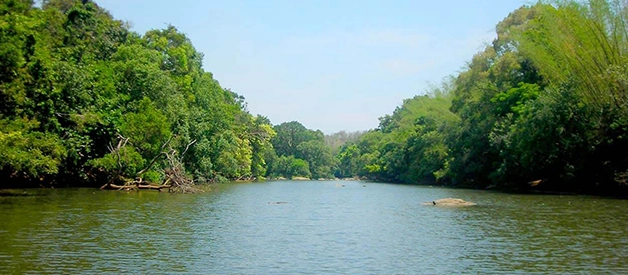
Located in the enchanting beauty of the Tigris Valley, Kuruva Island presents a serene and idyllic retreat for nature enthusiasts and peace-seekers alike. Kuruva island 63 km – Kuruva Island comprise of a group of islands in the middle of Kabini River. Spreading over 950 acres of land, Kuruva Island is blessed with rich flora and fauna. This verdant delta, formed by the tributaries of the Kabini River, is renowned for its lush greenery, diverse flora and fauna, and tranquil ambience, offering visitors an opportunity to reconnect with nature in its purest form. The island’s dense, evergreen forests, sparkling streams, and rare species of plants and birds create a haven for eco-tourism and a perfect setting for a leisurely escape from the bustling city life. Whether you are seeking solitude amidst nature’s embrace or hoping to indulge in a peaceful picnic by the riverside, Kuruva Island promises a rejuvenating experience that will leave you refreshed and rejuvenated.

Delight in the Serene Beauty of Pookode Lake

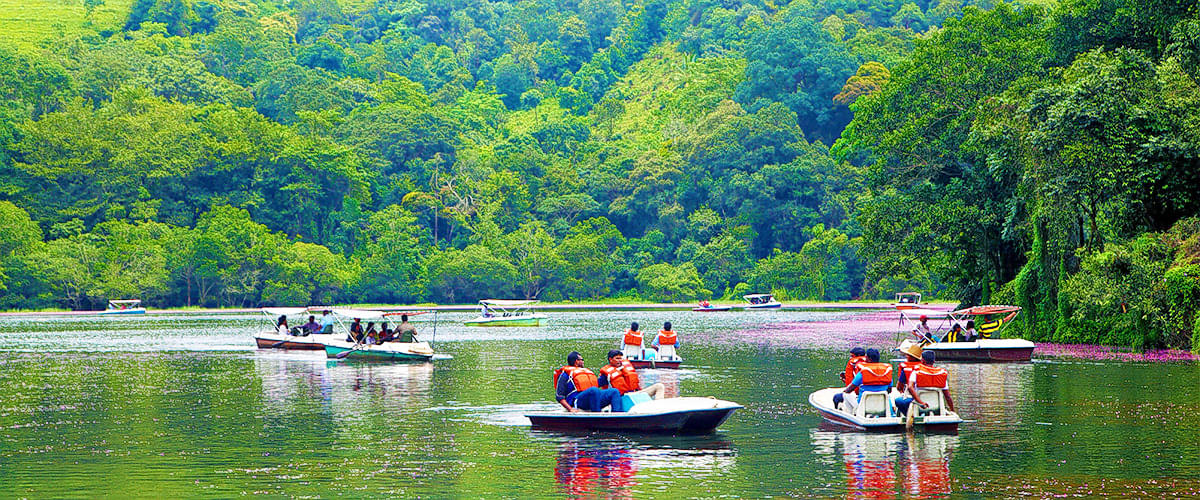
Pookode Lake stands as a tranquil oasis, offering a perfect blend of natural splendour and serene ambience. Pookode lake 17 km- Pookode is a natural freshwater lake that lies 770 meters above sea level. Encircled by lush greenery and rolling hills, this freshwater lake allures visitors with its crystal-clear waters, scenic walking trails, and rich biodiversity. Boating enthusiasts can enjoy a leisurely ride on the tranquil waters, while nature lovers can explore the surrounding forests teeming with diverse flora and fauna. With its peaceful atmosphere and breathtaking views, Pookode Lake provides a perfect escape for those seeking solace in the lap of nature or looking to indulge in a peaceful retreat away from the bustling city life.