Is managing your blood sugar levels leaving you feeling exhausted? Diabetes is a growing health concern that affects millions worldwide, impacting daily life and overall well-being. As we navigate the challenges of modern life, it’s important to understand the causes of this condition. Managing diabetes can be challenging, but understanding how to navigate it effectively is key to living a healthy life. For many people with diabetes, keeping track of their blood sugar every day can feel too much to handle. Diabetes can affect anyone, but certain factors include family history, age (especially over 45), being overweight, lack of exercise, and poor diet increase the risk. Health conditions like high blood pressure and high cholesterol can also increase the risk of developing diabetes. Knowing these factors can help with prevention and management. With the right strategies and support, people can learn to balance their blood sugar levels, maintain a nutritious diet, and incorporate regular exercise into their routines.
Tigris Valley, a premium wellness hospital provides the best ayurvedic treatment for diabetes. We prioritize holistic and personalized approaches to managing blood sugar levels. The treatments focus on diet, lifestyle changes, and natural remedies specific to the region. Patients receive personalized nutrition, exercise, and stress management guidance, promoting overall well-being and helping control diabetes effectively. This blog provides practical tips and insights into diabetes management, helping you make informed choices that empower your health. Whether you’re newly diagnosed or have been managing diabetes for a long time, We want to give you the resources you need to achieve your goals.
Diabetes is a chronic condition that affects how the body regulates blood sugar (glucose). When blood sugar levels are too high, it can lead to serious health complications over time, affecting organs such as the heart, kidneys, eyes, and nerves. The two main types are Type 1 and Type 2 diabetes, each with distinct causes and management strategies.
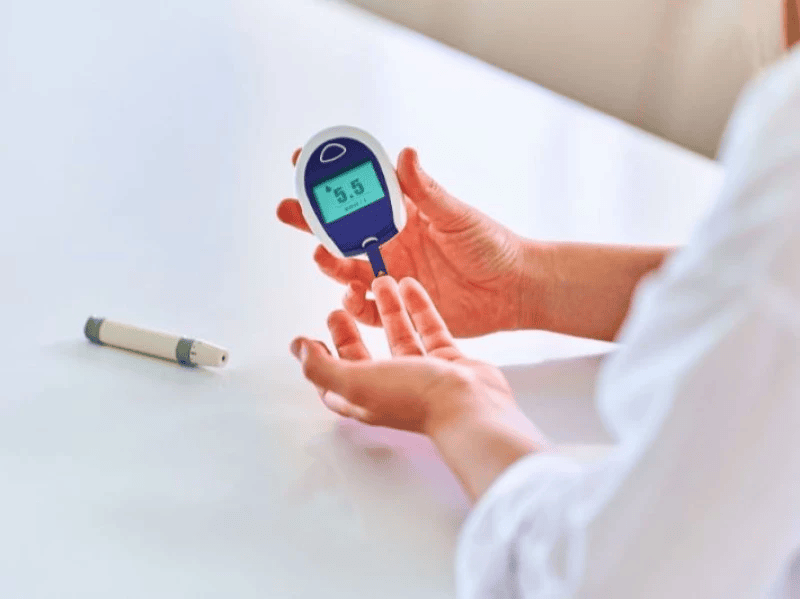
Type 1 diabetes is an autoimmune disorder in which the body’s immune system attacks and destroys the insulin-producing cells in the pancreas. Insulin is crucial for regulating blood sugar levels, as it enables glucose to enter cells for energy. When these cells are destroyed, the body produces little to no insulin, leading to elevated blood sugar levels, a condition known as hyperglycemia. As a result, peoples with Type 1 diabetes require insulin injections or the use of an insulin pump to manage their blood sugar levels effectively. This condition commonly develops in children, adolescents, or young adults, although it can occur at any age. The exact cause of the autoimmune reaction is not fully understood, but it is thought to involve a combination of genetic predisposition and environmental factors, such as viral infections. Living with Type 1 diabetes requires a lifelong commitment to careful management, including balancing insulin doses with food intake, exercise, and stress levels.
Type 2 diabetes is a chronic condition that affects the way the body metabolizes glucose (sugar). Unlike Type 1 diabetes, where the body produces little to no insulin, people with Type 2 diabetes typically produce insulin but their cells become resistant to it. This insulin resistance leads to elevated blood sugar levels, known as hyperglycemia. It often develops in adults, especially those who are overweight or inactive but it can occur at any age. Common symptoms include increased thirst, frequent urination, fatigue, and blurred vision. Managing Type 2 diabetes typically involves lifestyle changes like eating healthier, exercising more, and sometimes taking medications. Regular monitoring of blood sugar levels is important to prevent complications. Understanding these differences is crucial for effective management and treatment. At Tigris Valley, we offer a customized approach for each type to effectively control blood sugar levels and prevent complications.
Regular check-ups are essential for effective diabetes management, as they help monitor blood sugar levels, assess the effectiveness of treatment plans, and detect potential complications early. During these appointments, healthcare providers can evaluate your blood sugar levels, adjust medications, offer nutritional guidance, and suggest lifestyle changes to improve overall health. If your blood sugar readings indicate that your current treatment plan isn’t working effectively, providers can adjust your medications or insulin regimen accordingly. To keep your diabetes in check, aim for at least two appointments a year, or more often if advised. Diet is very important for managing diabetes, and healthcare providers can help you learn how to balance carbohydrates, proteins, and fats to maintain stable blood sugar levels. They can also give you tips on meal planning, controlling portions, and choosing healthier foods. Additionally, your healthcare team can recommend lifestyle changes, like including regular exercise into your routine, which can improve insulin sensitivity and overall health.
At Tigris Valley Wellness Retreat in India, Our expert Ayurvedic practitioners are always available to provide support and guidance for effective diabetes management. We recommend aiming for at least two check-ups each year, or more frequently if needed. Our expert team is here to guide you on nutrition and lifestyle changes customized to your needs. You should regularly monitor your blood sugar levels at home and discuss the results with our healthcare team. Staying informed about diabetes management and maintaining a healthy lifestyle through a balanced diet, regular exercise, and proper sleep are essential. Open communication with our healthcare provider about any concerns or changes in your health will also help to customize your management plan effectively. By prioritizing regular check-ups and actively participating in your care, you can better manage your diabetes and reduce the risk of complications.
Insulin is a hormone generated by the pancreas that enables cells to use glucose for energy. When your body doesn’t produce or utilize insulin properly, you can take synthetic insulin to help regulate your blood sugar levels. Most people take insulin through injections, although there is also an inhalable option available. If you have type 1 diabetes, you require insulin because your pancreas no longer produces this hormone. In contrast, if you have type 2 diabetes, you may need insulin, but many patients with this type can manage their blood sugar without it.
There are various types of insulin, each designed to function differently to manage blood sugar levels. The main types include:

Rapid-Acting Insulin: Starts working within 15 minutes and lasts for about 3-5 hours. It’s often used before meals to control post-meal blood sugar spikes.
Short-Acting Insulin: Begins to work within 30 minutes and lasts for about 6-8 hours. It’s typically taken before meals as well.
Intermediate-Acting Insulin: Takes about 2-4 hours to start working and lasts for 12-18 hours. This type is often used to provide baseline insulin coverage throughout the day.
Long-Acting Insulin: Starts working several hours after injection and can last up to 24 hours or longer. It provides a steady level of insulin to help control blood sugar throughout the day and night.
Combination Insulin: Contains both short-acting and intermediate-acting insulin in one formulation, offering both immediate and longer-term coverage.
Understanding these types helps in developing a personalized diabetes management plan. Always consult our healthcare professional to determine which type or combination of insulins is best for your needs. When to take insulin depends on the type prescribed and people’s needs. A rapid-acting insulin is typically taken just before meals to manage post-meal blood sugar spikes, while short-acting insulin may be administered 30 minutes before eating. Intermediate-acting insulin is often used to cover blood sugar levels throughout the day, while long-acting insulin is generally injected once or twice daily for steady baseline coverage.
Insulin can have several side effects, with hypoglycemia (low blood sugar) being the most common. Other potential side effects include weight gain, injection site reactions such as redness or swelling, and, in some cases, allergic reactions. Some individuals may also experience changes in skin at the injection site, such as lipodystrophy, which can lead to fat accumulation or loss. It’s important to monitor for these side effects and communicate with our healthcare provider to ensure an effective diabetes reversal treatment program.
AYUSH, which stands for Ayurveda, Yoga, Unani, Siddha, and Homeopathy, offers a holistic approach to managing diabetes through various traditional practices. Here’s an overview of how each component contributes to diabetes care:
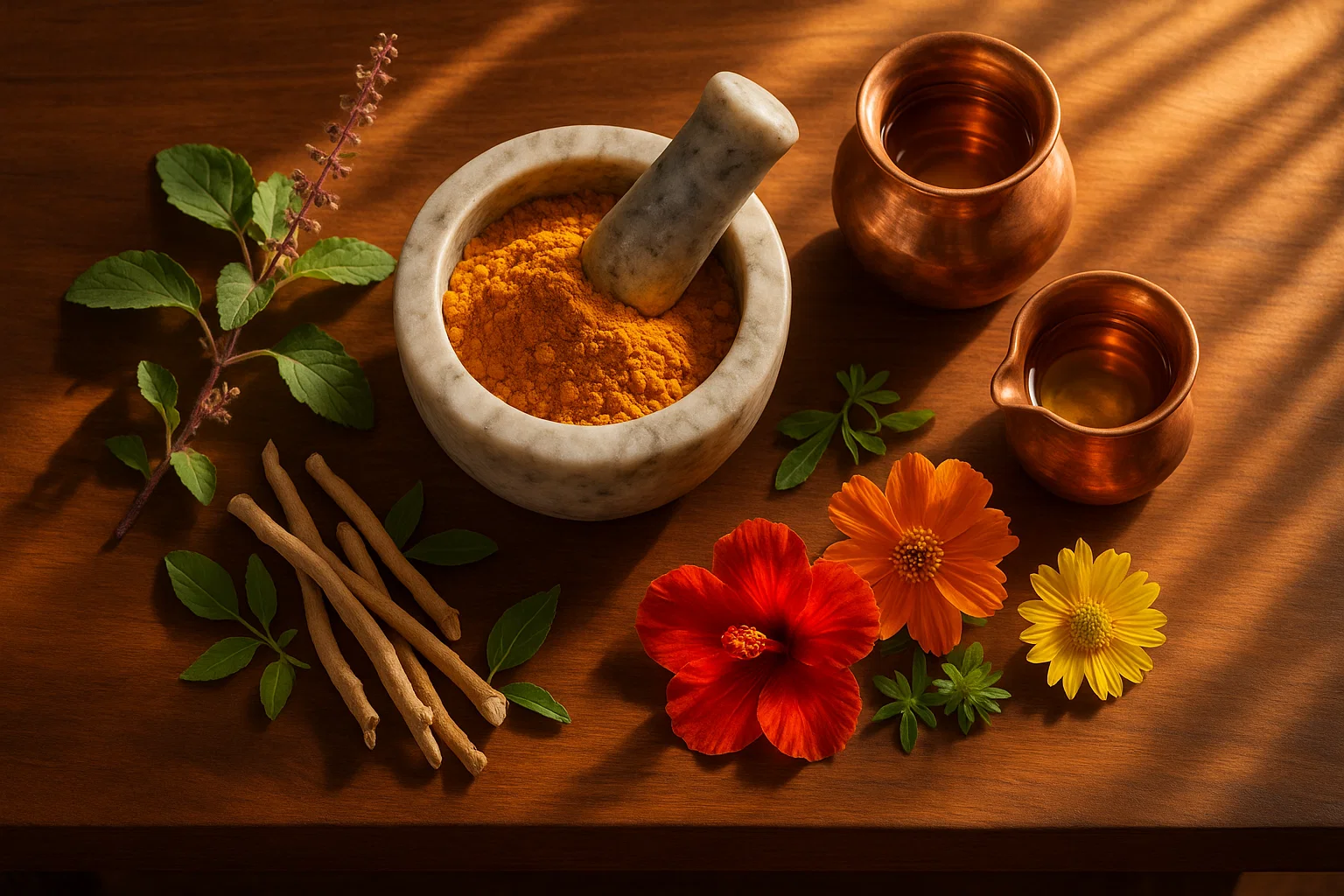
Ayurvedic treatments in Kerala focus on balancing the body’s doshas and detoxifying to improve metabolic function. Herbal remedies like Gymnema Sylvestre, bitter gourd, and fenugreek are commonly used to help regulate blood sugar levels. Dietary recommendations emphasize whole, unprocessed foods, while detoxification practices such as Panchakarma treatment can eliminate toxins and enhance overall health.
Panchakarma is a holistic Ayurvedic full-body detoxification and rejuvenation process beneficial for managing diabetes. It aims to eliminate toxins (ama), restore balance among the doshas (Vata, Pitta, and Kapha), and enhance metabolic function. The treatment involves five primary procedures: Vamana (therapeutic vomiting), Virechana (purgation), Basti (medicated enemas), Nasya (nasal administration of herbal oils), and Raktamokshana (bloodletting). For diabetes, Virechana helps cleanse the digestive system and improve liver function, enhancing insulin sensitivity, while Basti balances Vata dosha, which is crucial for metabolism. Personalized herbal oils and decoctions further support blood sugar regulation. The ayurvedic panchakarma treatment also includes dietary changes, yoga, and lifestyle modifications to promote overall wellness. By addressing the root causes of diabetes, Panchakarma can stabilize blood sugar levels and improve overall health, making it essential to consult a qualified Ayurvedic practitioner for tailored treatment.
Panchakarma not only aids in detoxification but also emphasizes the importance of personalized dietary modifications, yoga, and lifestyle changes. By addressing the root causes of diabetes, Panchakarma promotes healing, stabilizes blood sugar levels, and improves overall health. Consulting with a qualified Ayurvedic practitioner is essential for customizing the treatment to unique needs and ensuring safe and effective outcomes. At Tigris Valley, our Panchakarma treatment is designed to provide a comprehensive approach to managing diabetes through full-body detoxification and rejuvenation. our experienced practitioners provide personalized herbal formulations, dietary recommendations, and lifestyle modifications that align with Ayurvedic principles.

We emphasize the importance of yoga and mindfulness practices to support overall well-being. By addressing the underlying causes of diabetes through our specialized panchakarma treatment in Kerala at Tigris Valley, we aim to stabilize blood sugar levels, boost energy, and promote holistic health. We invite you to consult with our qualified Ayurvedic practitioners to create a customized Ayurvedic treatment plan that meets your unique health needs.
Yoga plays a vital role in AYUSH treatment for diabetes, promoting overall health and well-being through physical postures, breathing exercises, and meditation. Regular yoga practice helps improve insulin sensitivity, enhance blood circulation, and reduce stress levels, which are crucial for managing diabetes effectively. Specific poses, such as Surya Namaskar, Paschimottanasana, and Bhujangasana, can help stimulate the pancreas and improve metabolic function. Additionally, pranayama (breath control) techniques assist in calming the mind and reducing anxiety, contributing to better emotional trauma healing By integrating yoga into daily routines, people can achieve better blood sugar control, improve their physical fitness, and foster a sense of balance and mindfulness. For optimal results, it is advisable to practice yoga under the guidance of a qualified instructor, ensuring that the poses and techniques are tailored to the patient’s needs and health conditions.
Tigris Valley provides the best Unani treatment in Kerala for diabetes management focusing on a holistic approach, utilizing natural remedies and lifestyle modifications. Herbal remedies such as neem, karela (bitter gourd), and fenugreek are commonly employed for their anti-diabetic properties. Alongside these, dietary adjustments are emphasized, encouraging a balanced intake of whole grains, legumes, fruits, and vegetables while minimizing processed foods and sugars. Regular exercise is also a key component, as it enhances insulin sensitivity and overall health. Staying properly hydrated with herbal teas and water is encouraged, and stress management techniques like yoga and meditation play a vital role in stabilizing blood sugar levels. For personalized treatment plans, consulting our qualified Unani practitioner is advisable, ensuring a customized approach to diabetes management.

Siddha treatment for diabetes management adopts a holistic approach that integrates herbal remedies, dietary changes, and lifestyle modifications. Key elements include the use of various herbs like bitter gourd (karela), fenugreek, and neem, which are known for their ability to help regulate blood sugar levels. The dietary focus is on a rich intake of whole grains, vegetables, and legumes, while processed foods and sugars are discouraged. Regular physical activity and maintaining a healthy weight are crucial aspects of effective diabetes management through Siddha treatment.
Additionally, detoxification practices may be included to eliminate toxins from the body, supporting overall health and metabolic balance. Stress relief treatments such as yoga, meditation, and breathing exercises are also encouraged, as reducing stress can positively impact blood sugar levels.
Homeopathy, as part of AYUSH treatment, focuses on a holistic approach to managing the condition by addressing the underlying causes and individual symptoms. Homeopathic Treatments for Diabetes are selected based on a person’s overall health, emotional state, and specific diabetic symptoms. Commonly used remedies include Syzygium jambolanum (black plum), Phosphorus, and Argentum nitricum, which aim to regulate blood sugar levels and improve overall metabolic function. Alongside these remedies, homeopathy encourages dietary modifications, such as a balanced diet rich in whole foods and low in refined sugars. Lifestyle changes, including regular exercise and stress management techniques like meditation, are also emphasized to support overall well-being.
At Tigris Valley, we believe in the holistic potential of AYUSH treatments for effective diabetes management. By integrating the principles of Ayurveda, Yoga, Unani, Siddha, and Homeopathy, we offer a comprehensive approach that addresses not only the physical aspects of diabetes but also its mental and emotional impacts. Our personalized treatment plans, which include herbal remedies, dietary modifications, and lifestyle adjustments aim to balance the body’s systems and enhance overall well-being. Through our dedicated team of qualified practitioners, we strive to empower people to take control of their health and achieve optimal blood sugar management. Embracing the principles of AYUSH, we are committed to supporting our clients on their path to better health and enhanced quality of life.
Ayurveda emphasizes a balanced diet customized to patient’s needs, particularly for managing diabetes. Here are some healthy foods recommended in Ayurveda to help regulate blood sugar levels:
Whole Grains: Foods like brown rice, quinoa, and barley are rich in fiber and have a low glycemic index, which helps stabilize blood sugar levels.
Legumes: Lentils, chickpeas, and beans are excellent sources of protein and fiber, aiding in digestion and helping maintain steady glucose levels.
Bitter Vegetables: Bitter gourd (karela) is especially recommended for its blood sugar-lowering properties. Other bitter greens like dandelion and neem leaves can also be beneficial.
Non-Starchy Vegetables: Leafy greens (spinach, kale), broccoli, and cauliflower are low in calories and carbohydrates, making them ideal for diabetes management.
Fruits: Low-glycemic fruits like berries, apples, and pears can be consumed in moderation. They provide essential vitamins and minerals without causing significant blood sugar spikes.
Healthy Fats: Incorporating sources of healthy fats, such as avocados, nuts (especially almonds and walnuts), and seeds (flaxseeds and chia seeds), can improve overall health and help control hunger.
Spices: Certain spices, like turmeric, cinnamon, and fenugreek, have been shown to have beneficial effects on blood sugar regulation and insulin sensitivity.
Herbal Teas: Drinking herbal teas, such as green tea or ginger tea, can aid digestion and improve metabolic health.

Dairy: Low-fat yogurt or buttermilk can be included for their probiotic benefits, which support gut health and overall well-being.
Cooking Oils: Use healthy oils like olive oil or ghee in moderation to promote heart health and enhance digestion.
Including these foods into a balanced diet, along with lifestyle modifications and mindful eating practices, can significantly aid in managing diabetes according to Ayurvedic principles. It’s always best to consult with an Ayurvedic practitioner for personalized dietary recommendations.
Tigris Valley, Wellness Retreat provides the best Ayurvedic diabetes treatment in Kerala and offers a holistic and personalized approach that addresses the root causes of the condition while promoting overall well-being. By integrating dietary modifications, herbal remedies, and lifestyle changes, Ayurveda aims to balance the body’s systems and enhance metabolic function. This approach not only helps regulate blood sugar levels but also supports mental and emotional health, empowering people to lead healthier lives. With the guidance of qualified Ayurvedic practitioners, patients can explore effective strategies tailored to their unique needs, fostering long-term health and vitality in their journey to manage diabetes. Embracing Ayurvedic principles can truly transform the way individuals approach their health and wellness.