Integrated Treatment Approach to Stroke Recovery

Integrated Treatment Approach to Stroke Recovery

Strokes are a prevalent health concern, with global significance. They stand as the second leading cause of death worldwide, underscoring their widespread impact. In the context of the body, a stroke mirrors what a heart attack is to the heart. Patients with strokes may experience bleeding or blood clots in the brain, causing issues like convulsions.

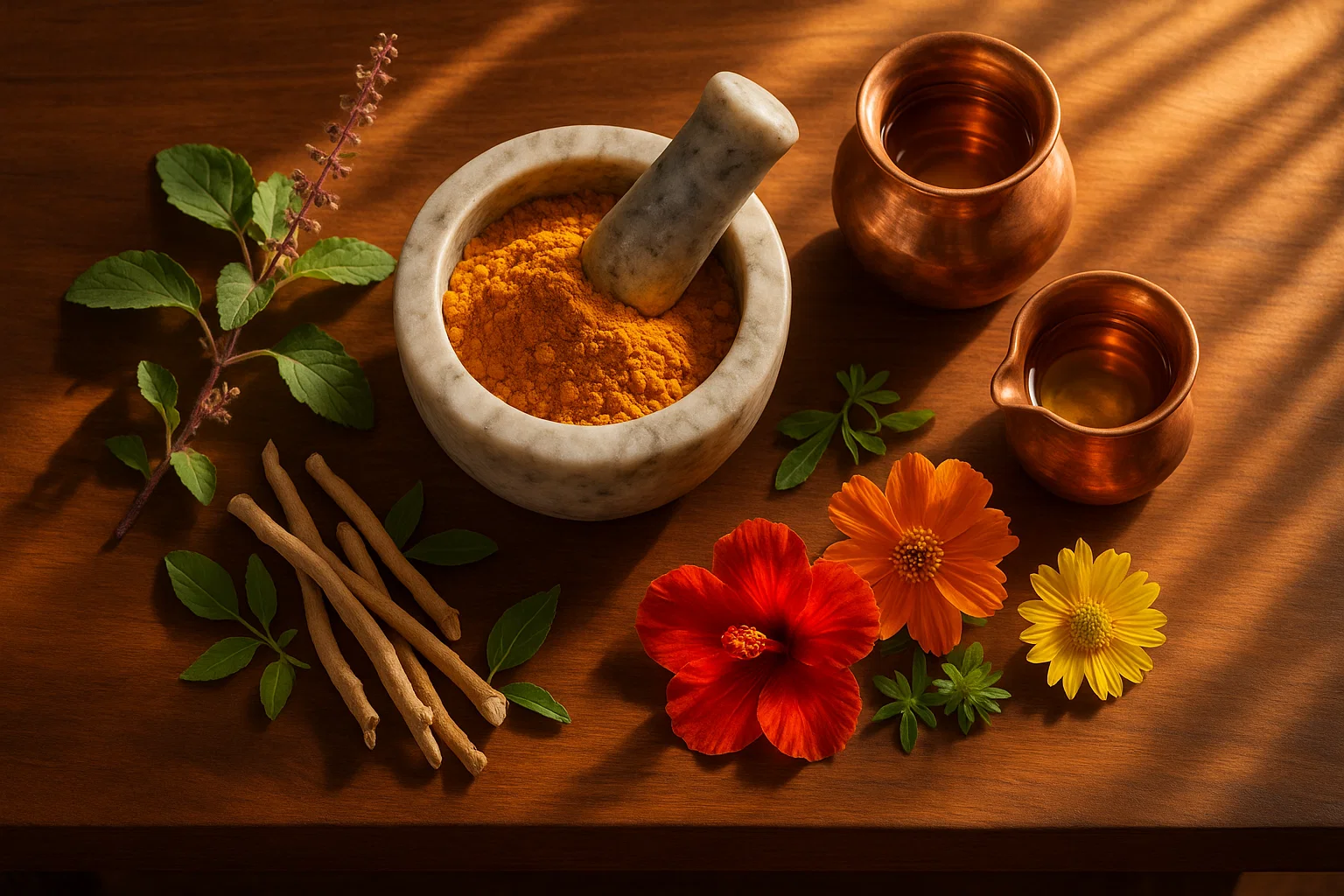
In Ayurveda, a stroke is called Pakshaghata, caused by imbalances in the Vata dosha, which manages body movements and sensations. Stroke treatment in Kerala aims to revive brain functions. Internal medicines boost blood flow, and natural antioxidants enhance oxygen supply to the brain, renewing cells and minimizing cell damage. External therapies like panchakarma improve the peripheral nerve system, while heat therapy maintains muscle tone, reduces stiffness, and eases spasms. Ayurvedic stroke treatment highlights natural healing through herbal remedies, dietary changes, and lifestyle adjustments. It aims to improve circulation, reduce inflammation, and support brain health. Techniques like Panchakarma may also be used to detoxify the body. It focuses on restoring balance and enhancing recovery for stroke survivors through effective stroke rehabilitation.

Here are the common signs and symptoms of a stroke:

1. Sudden numbness or weakness: You may experience sudden numbness or weakness, especially on one side of the face, arm, or leg. This often occurs on just one side of the body.

2. Confusion or difficulty speaking: A person having a stroke may experience sudden confusion, trouble speaking, or difficulty understanding speech. They may slur their words or have difficulty finding the right words.

3. Trouble walking or loss of coordination: Strokes can affect balance and coordination. A person may have difficulty walking, experience dizziness, or have a sudden loss of coordination.

4. Severe headache: A sudden, severe headache that is different from a usual headache may be a sign of a stroke, particularly if it is accompanied by other symptoms, as early intervention is crucial for effective Neuro Rehabilitation and minimizing potential long-term effects

5. Trouble seeing in one or both eyes: Vision problems, such as sudden blurred or blackened vision in one or both eyes, can be a sign of a stroke.

It’s important to remember the acronym FAST to help recognize and respond to the signs of a stroke:

Stroke Rehabilitation Programs

F – Face Drooping: Is one side of the face numb or drooping? To look for signs of facial weakness, ask them to smile.

A-Arms Weakness: Is a single arm numb or weak? Ask the person to raise both to check if one arm is drifting lower.

S – Speaking Difficulty: Is speech slurred or difficult to understand? To screen for speech impediment, ask the person to repeat a short sentence.

T – Time to call emergency services: You must do so right away if you notice any of these symptoms. While treating a stroke, time is of the essence.

Core Elements of our Ayurvedic Stroke Rehabilitation Program:

◙ Initial Ayurvedic Assessment and Goal Setting

◙ Ayurvedic Physical Therapies

◙ Speech and Language Therapies

◙ Mind-Body Psychological and Emotional Support

◙ Cognitive Enhancement through Ayurvedic Therapies

 In Ayurveda stroke treatment, our experts believe these symptoms arise from a blockage in Vata movement. Our therapies aim to remove toxins from the body and restore Vata flow, promoting a quick recovery. 

Ayurvedic Stroke Rehab Benefits:

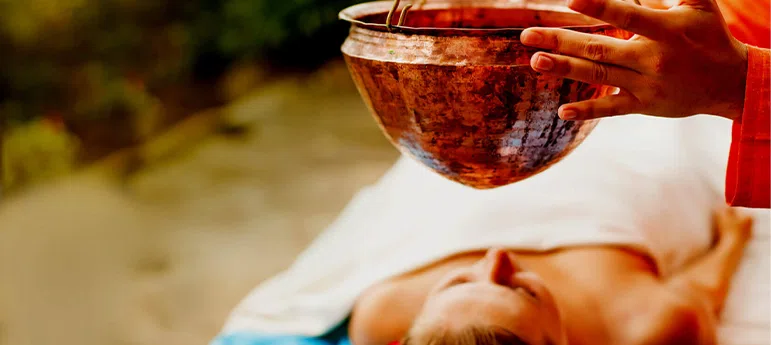
1. Panchakarma Therapy: Panchakarma Treatment is a detoxification and rejuvenation therapy in Ayurveda. It involves various cleansing procedures that may help remove toxins and support the body’s natural healing mechanisms. Panchakarma therapy is often customized to the individual’s condition.

2. Holistic Approach: Ayurveda is a holistic system of medicine that considers the mind, body, and spirit as interconnected. Ayurvedic stroke rehabilitation balances these elements to promote overall well-being and recovery.
ayurvedic stroke treatment in kerala

3. Dietary Recommendations: Ayurveda emphasizes the importance of a balanced diet to support healing. Ayurvedic stroke rehabilitation services may include dietary recommendations based on an individual’s constitution and specific health needs.

4. Yoga and Meditation: Cardiovascular Disease treatment may incorporate yoga and meditation practices. Gentle yoga and meditation can help improve flexibility, strength, and mental well-being, contributing to the overall rehabilitation process.

5. Improved Circulation and Energy Flow: Ayurvedic treatments often aim to enhance overall circulation and the flow of vital energy (prana) in the body. Improved circulation may aid in the recovery of affected areas and support overall vitality.

The Goal of Ayurvedic Heat Stroke Treatment

◘ Promote Fluid Movement and Strength

◘ Experience Enhanced Speech and Communication

◘ Regain Daily Autonomy

◘ Boost Cognitive Function and Communication

◘ Mitigate Future Stroke Risk

◘ Cultivate Emotional Well-being

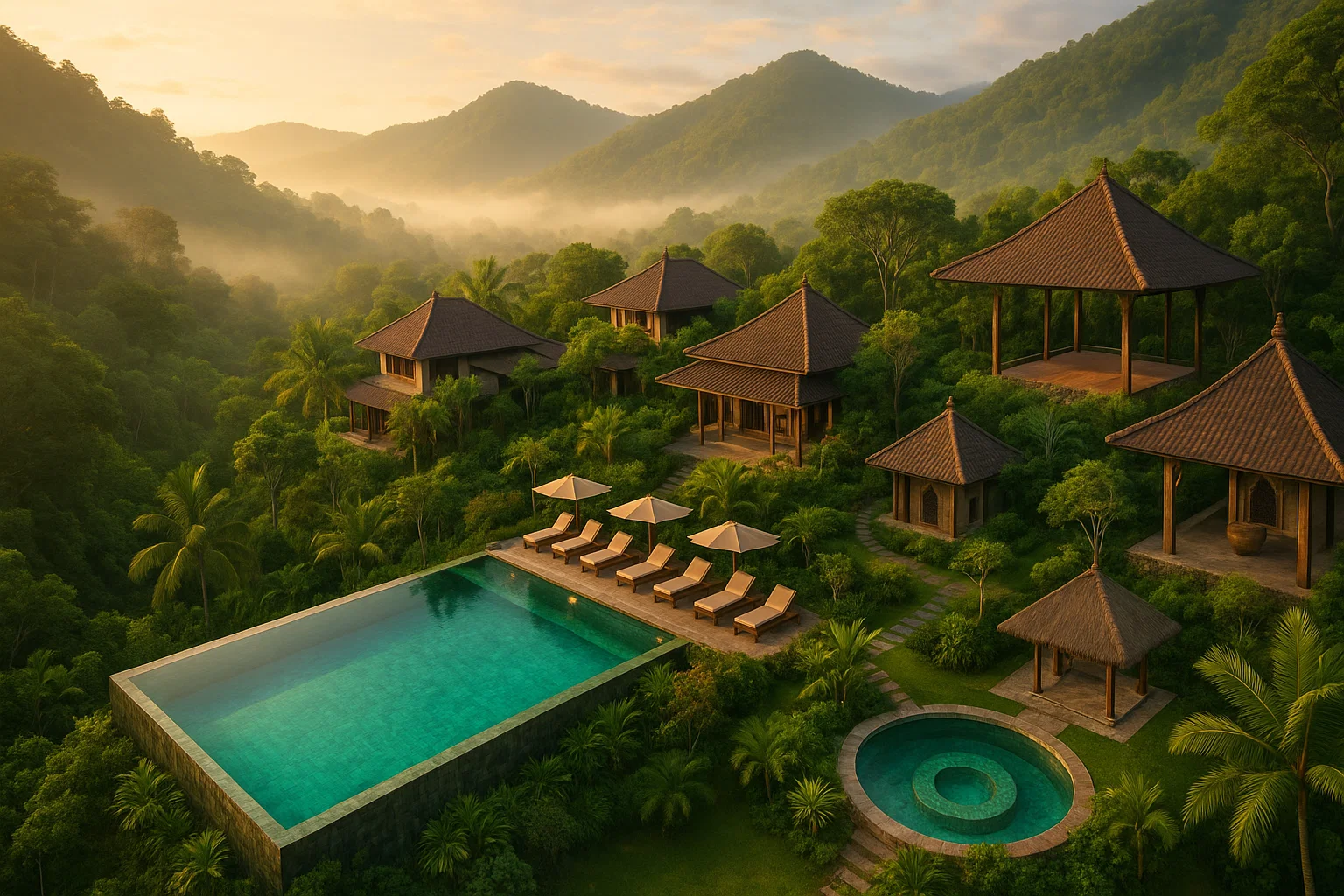
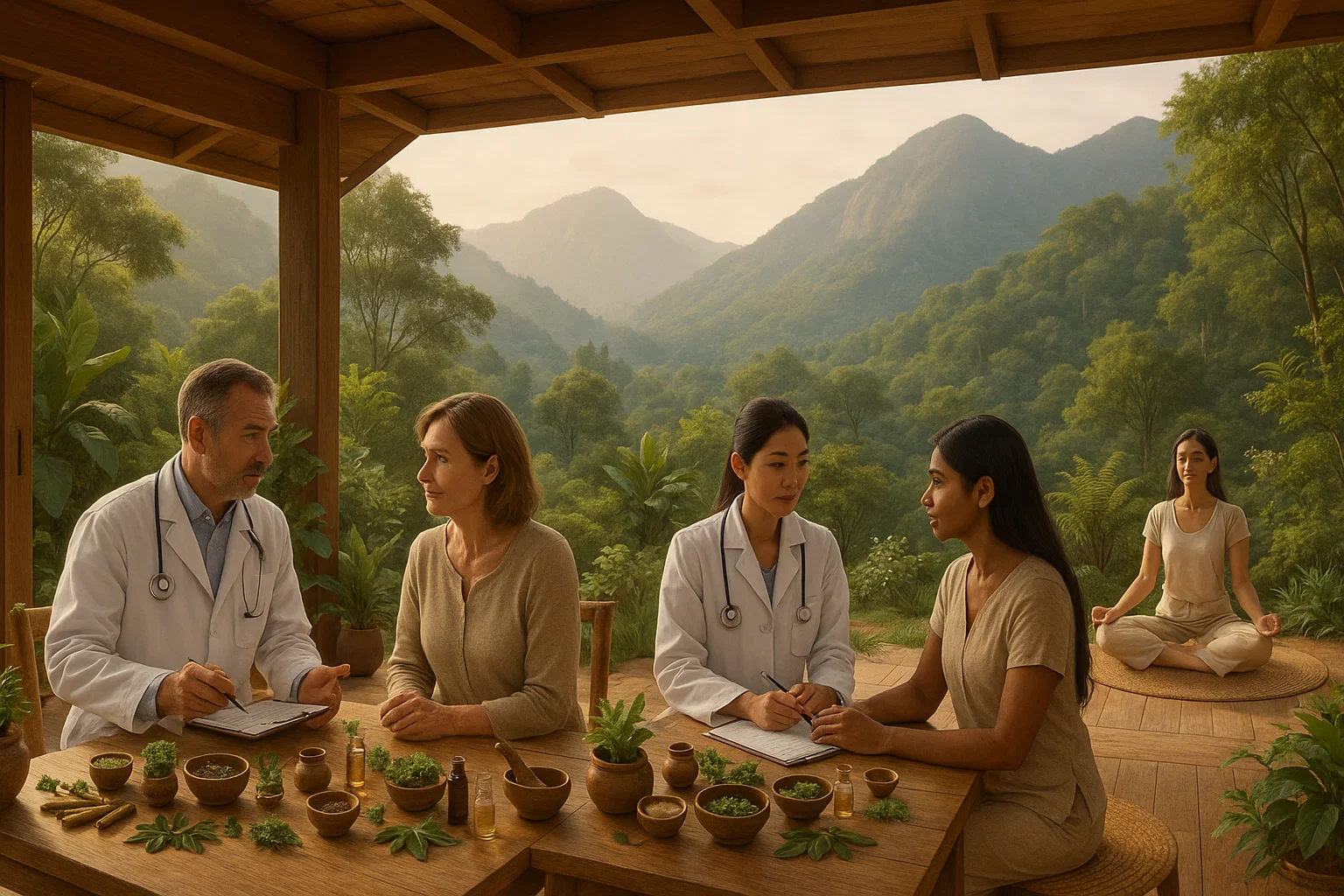
At our Ayurvedic Retreat Centre, we recognize the significance of integrating ancient wisdom with modern care. Our approach is not only to address the physical aspects of stroke recovery but also to provide a holistic environment that promotes overall well-being and balance. Time is of the essence, and our Ayurvedic practices are designed to support your journey toward healing and restoration.

Ayurvedic treatment for heat stroke aims to restore balance by cooling the body using appropriate foods and herbs, adjusting lifestyle practices, and ensuring environmental flexibility. Tigris Valley Ayurveda stroke rehabilitation treatments not only address the immediate symptoms but also prevent upcoming issues by maintaining overall balance and wellness.


Share on:

Vanaparvam Biodiversity Park

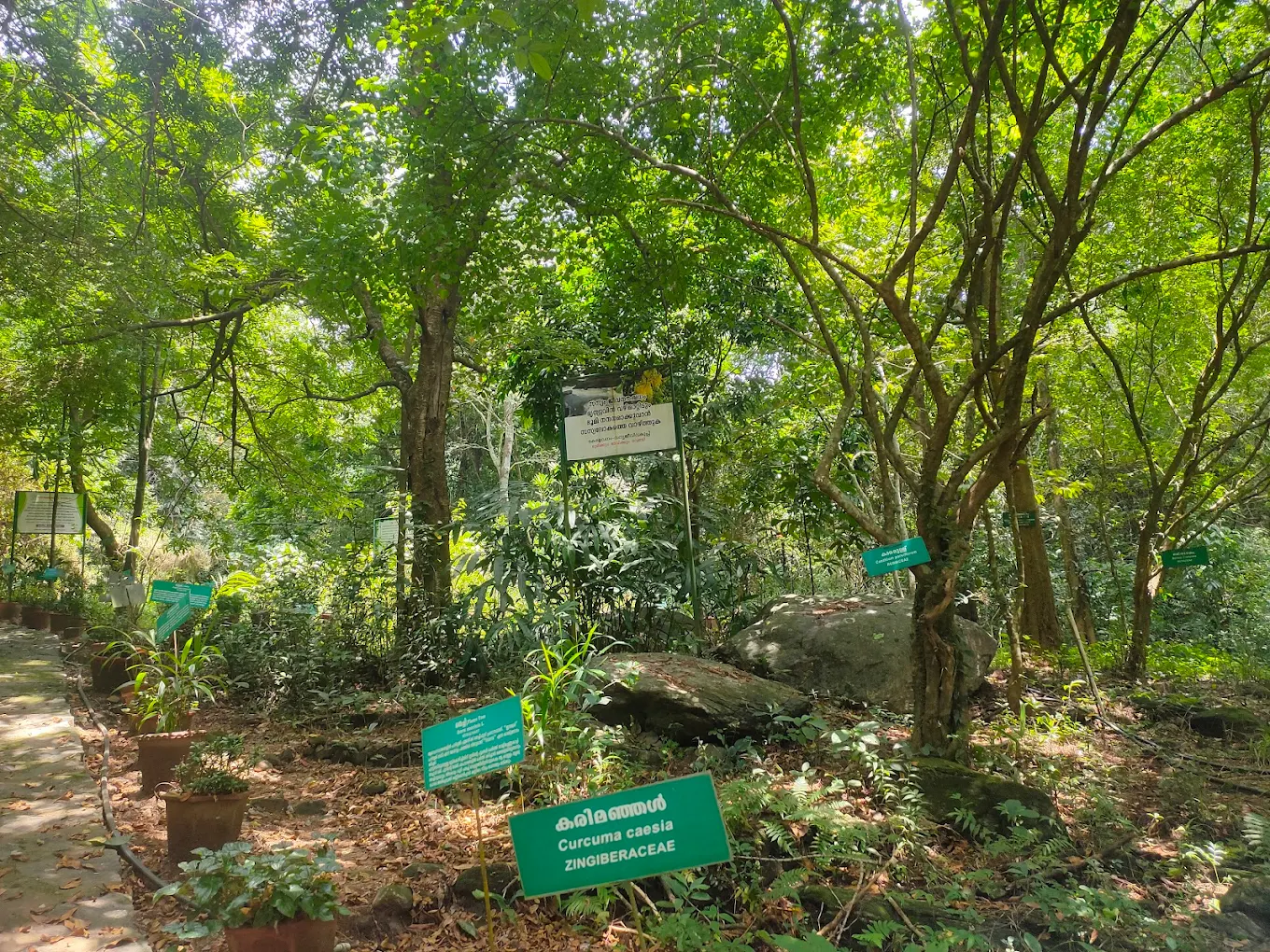
Vanaparvam Biodiversity Park, located about 43 km from Kozhikode city, forms part of the Thamarassery forest range and spans 111.4 hectares. The park is home to over 2,300 plant species, including 150 varieties of medicinal plants, 23 species of bamboo, and 20 types of orchids.

A walk through this natural forest offers a rare opportunity to experience the rich diversity of wild flora. Visitors can also admire the playful “dancing fishes” from the wooden suspension bridge across the Pathipara River. Adding to its charm are the scenic Muyalpara and Pathipara waterfalls. The highlights of the park include the unique Nakshatra Vanam and the serene Bambusetum, making it a must-visit for nature lovers.

Kozhikode Thusharagiri Waterfalls

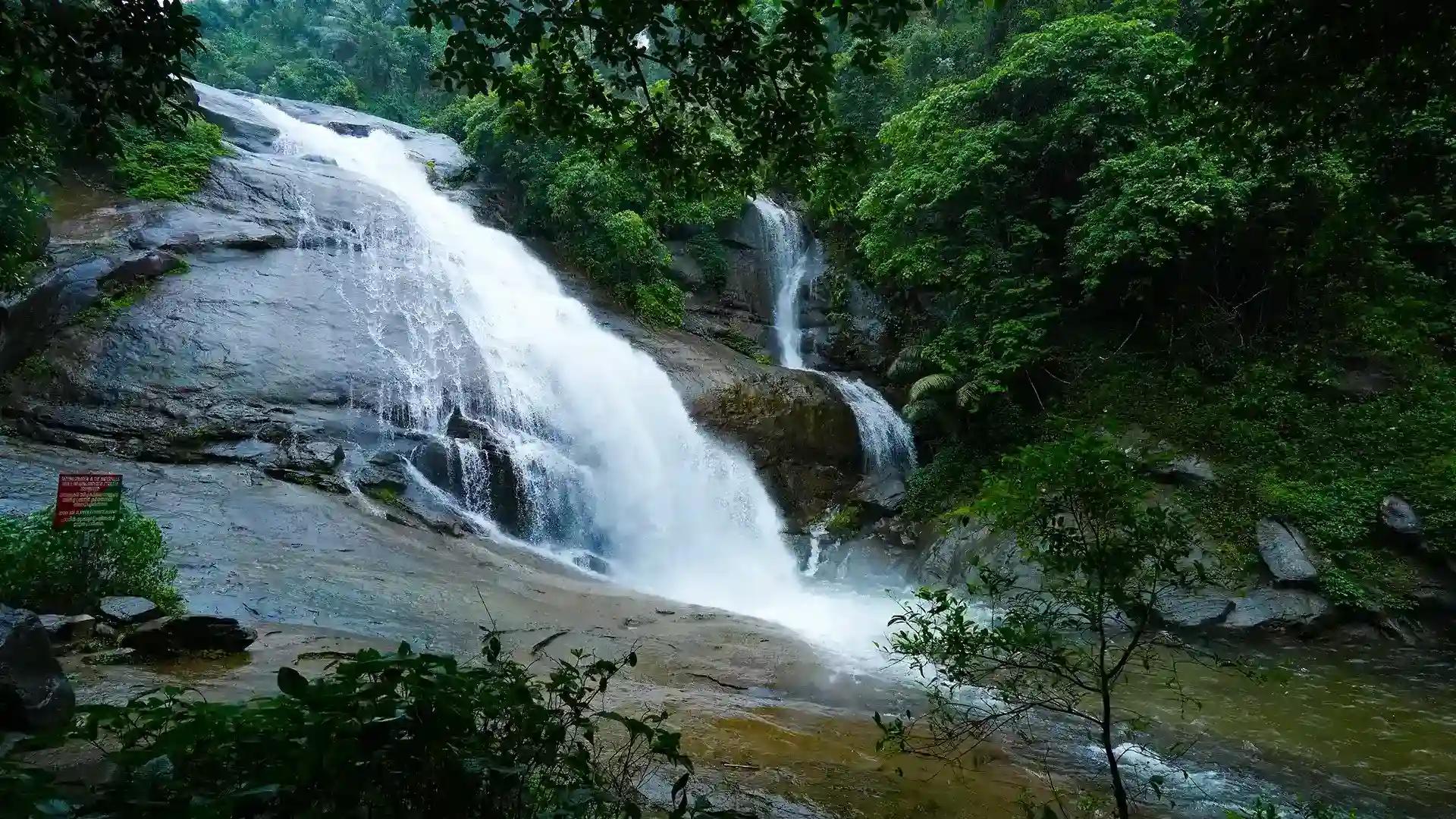
Tucked away in the verdant Western Ghats of Kerala, Thusharagiri Waterfalls in Kozhikode district is a mesmerizing destination celebrated for its natural charm, serenity, and adventurous spirit. The name Thusharagiri, meaning “snow-capped mountains,” comes from the fine mist rising from the falls, creating a dreamlike atmosphere that captivates every visitor. Surrounded by dense forests and rich biodiversity, it offers the perfect escape for those in search of nature, adventure, and relaxation.

Thusharagiri comprises three cascading waterfalls, with the main fall, Erattumukku, dropping dramatically from a height of 75 meters. The other two, Thenpara and Mazhavil Chattom, are equally enchanting, each unveiling its own scenic beauty. Framed by lush greenery and alive with birdsong, the waterfalls provide an idyllic setting for trekking, photography, or simply soaking in the tranquil surroundings.

Banasura Sagar Dam

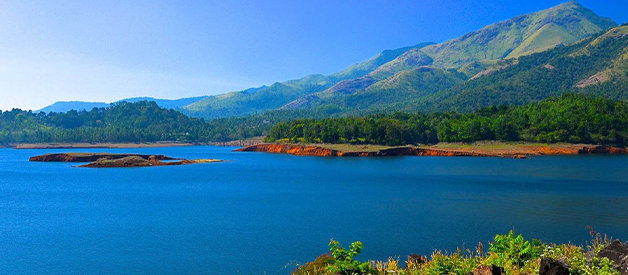
Nestled in the breathtaking landscapes of Tigris Valley, the Banasura Sagar Dam stands as a testament to both human ingenuity and natural beauty. This magnificent earthen dam, the largest of its kind in India and the second largest in Asia, offers a stunning amalgamation of engineering prowess and picturesque surroundings. Banasura Sagar dam 45 km- Banasura Sagar is the largest earthen dam in India. It lies in Wayanad district. It is one of the popular tourist destinations with the famous trekking spot, Banasura Hill nearby. The dam presents a range of activities for visitors, including trekking in the nearby Banasura Hills, exhilarating boating experiences, and a chance to immerse oneself in the local culture and cuisine. The welcoming locals and seamless accessibility make the Banasura Sagar Dam a must-visit destination for anyone exploring the wonders of the Tigris Valley.

Unveil the Enchanting Beauty of Chembra Peak in Tigris Valley

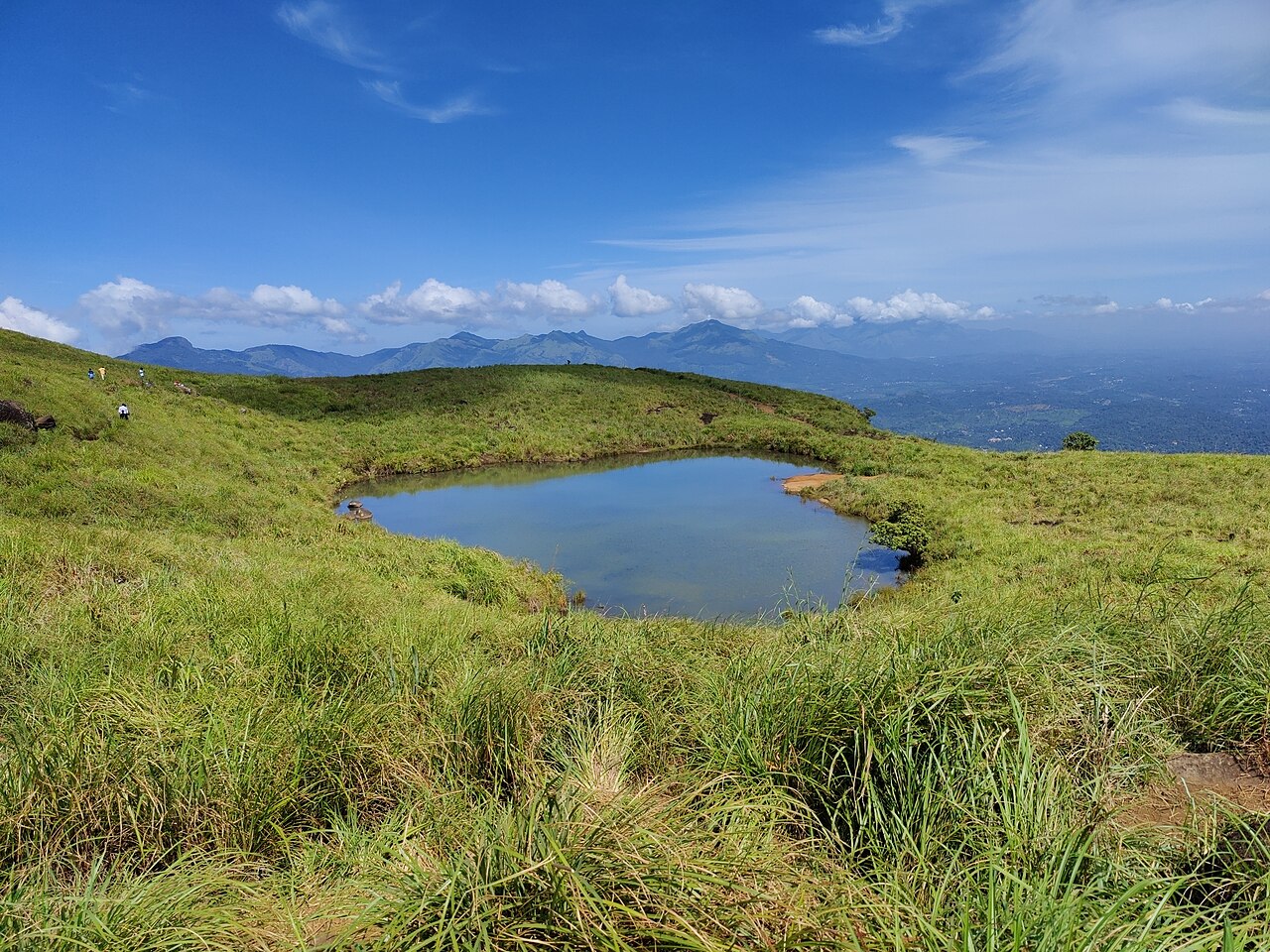
Rising majestically in the captivating landscape of the Tigris Valley, Chembra Peak stands as the highest peak in the region, offering a mesmerising blend of natural beauty and adventure. Chembra peak 47 km – Chembra Peak is situated 2100 meter above sea level and is flanked by hills, tea plantations and lush green valleys. This iconic peak allures trekkers and nature enthusiasts with its lush greenery, pristine lakes, and panoramic vistas that leave an indelible mark on every visitor. The trek to the summit presents an exhilarating journey through dense forests and picturesque meadows, culminating in a breathtaking heart-shaped lake, known as the ‘Hridaya Saras’ or the ‘Lake of the Heart.’ Whether you’re an avid trekker seeking an adrenaline rush or a nature lover longing for tranquillity, Chembra Peak promises an unforgettable experience that epitomises the allure of the Tigris Valley.

Immerse Yourself in the Rich Wildlife of Tigris Valley

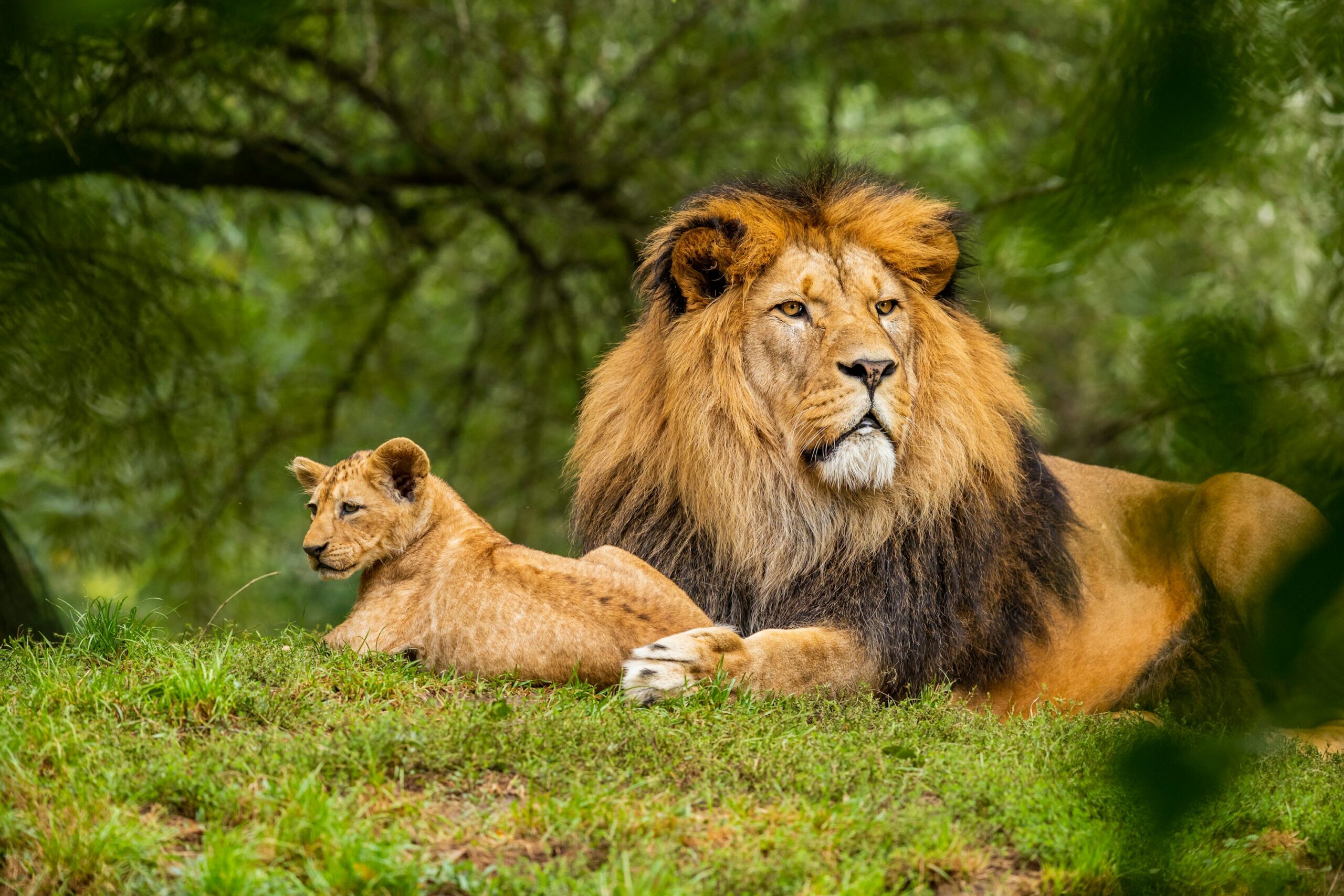
Encompassing a diverse ecosystem of lush forests, rolling hills, and pristine water bodies, the Tigris Valley is home to a rich variety of wildlife, making it a paradise for nature enthusiasts. Find wildlife that is varied and unique to this region of the Western Ghats, in all their magnificence, just outside the Tigris Valley Retreat. The region boasts a vibrant array of flora and fauna, including a diverse range of avian species, exotic mammals, and rare plant life, providing a captivating experience for those passionate about nature and wildlife. Whether you are an avid birdwatcher, a wildlife photographer, or simply someone who revels in the beauty of the natural world, the Tigris Valley offers a unique opportunity to witness the wonders of the animal kingdom in their natural habitat.

Unravel the Mystique of Edakkal Caves

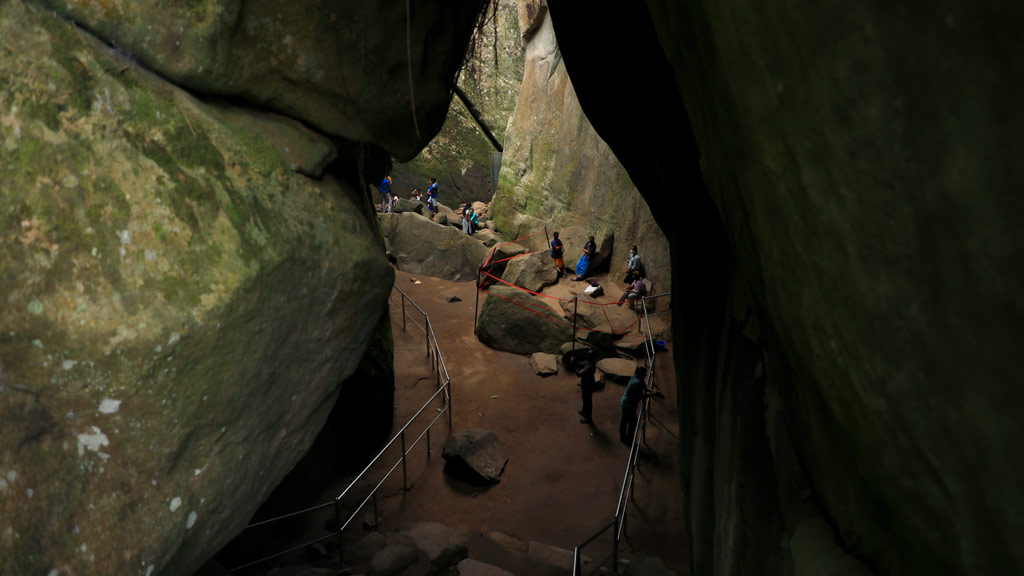
The captivating terrain of the Tigris Valley, the Edakkal Caves stand as an ancient testament to human civilization and natural wonder. Edakkal caves 54 km- Edakkal caves are two natural caves which lie 1200 meter above sea-level. These historic caves, renowned for their prehistoric carvings and ancient inscriptions, offer a unique glimpse into the rich cultural heritage and artistic legacy of the region. The trek to the caves, set against a backdrop of scenic beauty and lush greenery, presents an adventure that combines history, archaeology, and natural splendour, making it a must-visit destination for history enthusiasts and nature lovers alike. Explore the enigmatic corridors of the Edakkal Caves, and unlock the secrets of the past while immersing yourself in the breathtaking landscapes of the Tigris Valley.

Immerse Yourself in the Serenity of Kuruva Island

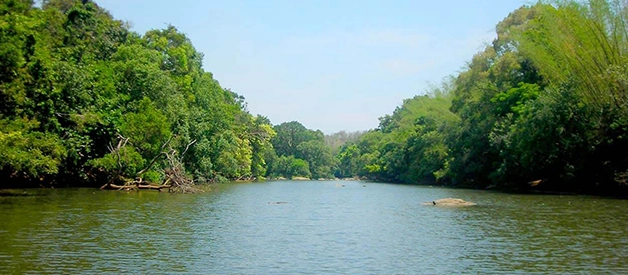
Located in the enchanting beauty of the Tigris Valley, Kuruva Island presents a serene and idyllic retreat for nature enthusiasts and peace-seekers alike. Kuruva island 63 km – Kuruva Island comprise of a group of islands in the middle of Kabini River. Spreading over 950 acres of land, Kuruva Island is blessed with rich flora and fauna. This verdant delta, formed by the tributaries of the Kabini River, is renowned for its lush greenery, diverse flora and fauna, and tranquil ambience, offering visitors an opportunity to reconnect with nature in its purest form. The island’s dense, evergreen forests, sparkling streams, and rare species of plants and birds create a haven for eco-tourism and a perfect setting for a leisurely escape from the bustling city life. Whether you are seeking solitude amidst nature’s embrace or hoping to indulge in a peaceful picnic by the riverside, Kuruva Island promises a rejuvenating experience that will leave you refreshed and rejuvenated.

Delight in the Serene Beauty of Pookode Lake

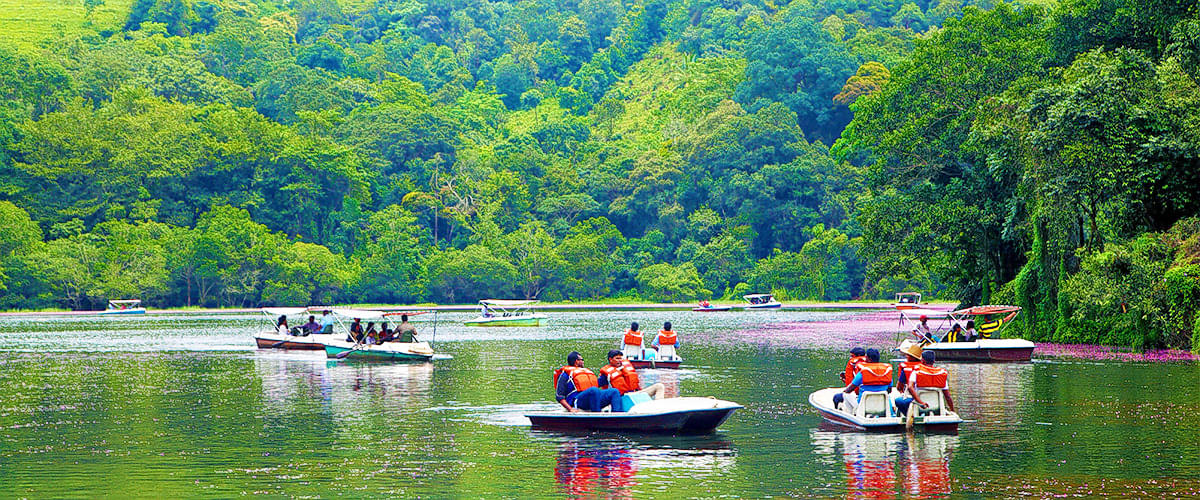
Pookode Lake stands as a tranquil oasis, offering a perfect blend of natural splendour and serene ambience. Pookode lake 17 km- Pookode is a natural freshwater lake that lies 770 meters above sea level. Encircled by lush greenery and rolling hills, this freshwater lake allures visitors with its crystal-clear waters, scenic walking trails, and rich biodiversity. Boating enthusiasts can enjoy a leisurely ride on the tranquil waters, while nature lovers can explore the surrounding forests teeming with diverse flora and fauna. With its peaceful atmosphere and breathtaking views, Pookode Lake provides a perfect escape for those seeking solace in the lap of nature or looking to indulge in a peaceful retreat away from the bustling city life.