Are you tired of treatments that only address your symptoms without looking at the bigger picture of your health? Do you feel like conventional medicine sometimes misses the connection between your mind, body, and spirit? The fragmented approach to healthcare leaves many feeling frustrated and seeking alternatives that consider their whole being.
Holistic medicine offers a refreshing perspective that treats you as a complete individual rather than a collection of symptoms. At Tigris Valley, we believe in the power of integrative approaches that combine ancient wisdom with modern science to create truly transformative healing experiences.
Holistic medicine is a comprehensive approach to healthcare that considers the whole person—body, mind, spirit, and emotions—in the quest for optimal health and wellness. Unlike conventional medicine, which typically focuses on treating specific symptoms or diseases, holistic medicine emphasizes the interconnectedness of all aspects of a person’s health.
The word “holistic” comes from the Greek word “holos,” meaning whole. This perfectly captures the essence of holistic medicine: treating the whole person rather than just the disease or affected part. Practitioners of holistic medicine believe that health is achieved through harmony between various components of life, including physical health, mental wellness, spiritual beliefs, environmental factors, and social connections.
At its core, holistic medicine seeks to:
A holistic practitioner might look beyond your immediate symptoms to consider your diet, exercise habits, stress levels, spiritual practices, work environment, relationships, and emotional well-being. This comprehensive approach recognizes that imbalances in one area can manifest as physical symptoms in another.
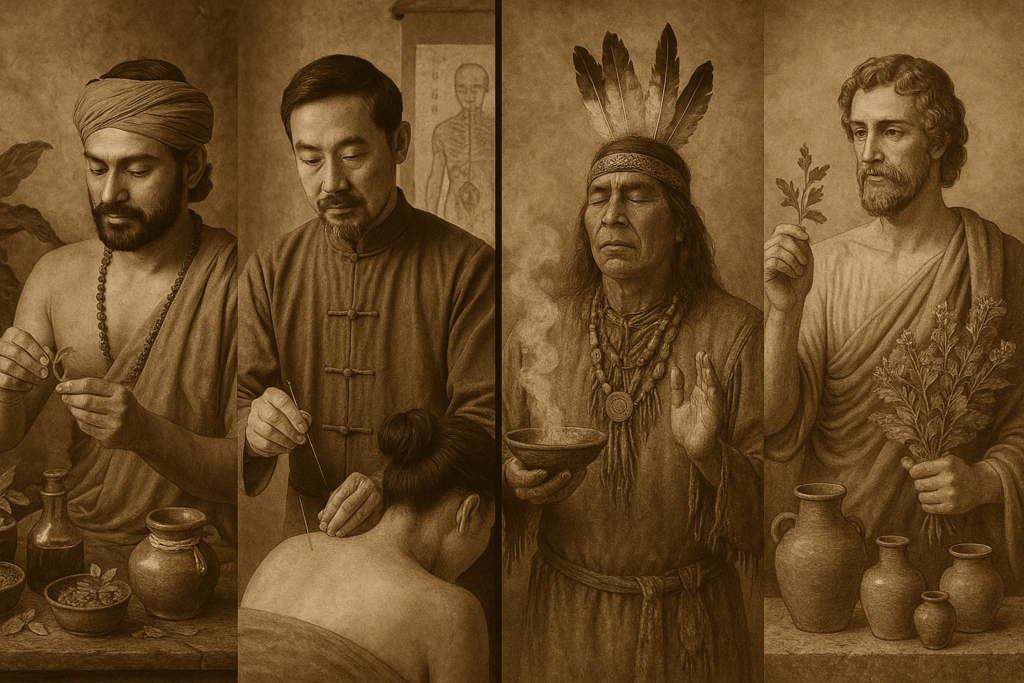
While the term “holistic medicine” might seem modern, the concept dates back thousands of years. Many traditional healing systems naturally embraced holistic principles long before contemporary medicine began to recognize their value.
Ancient healing traditions from around the world—including Traditional Chinese Medicine, Ayurveda from India, Native American healing practices, and indigenous African medicine—all share common holistic threads. These systems understood the connection between mind, body, and spirit centuries before Western medicine began exploring these relationships.
The modern holistic health movement gained momentum in the 1970s as people began questioning the limitations of purely symptom-based approaches. Today, holistic medicine continues to grow in popularity as research increasingly validates the mind-body connection and the importance of treating the whole person.
Holistic medicine is guided by several fundamental principles that shape its approach to health and healing:
Holistic practitioners recognize the body’s innate ability to heal itself when given the right conditions. Rather than solely relying on external interventions, holistic approaches often aim to support and enhance the body’s natural healing mechanisms.
Perhaps the most defining principle of holistic medicine is its commitment to addressing all aspects of a person’s health—physical, mental, emotional, and spiritual. This comprehensive approach acknowledges that these dimensions are interconnected and influence each other.
Holistic medicine places strong emphasis on preventive measures. By maintaining balance and addressing small issues before they become serious problems, practitioners aim to help patients avoid disease rather than simply treating it after it develops.
Holistic practitioners view themselves as teachers and guides who empower patients to take an active role in their own health. Patient education is a key component of holistic care, with practitioners teaching patients about lifestyle choices that support wellness.
No two individuals are exactly alike, and holistic medicine honors this uniqueness by tailoring treatments to each person’s specific needs, constitution, and circumstances rather than applying one-size-fits-all protocols.

Holistic medicine encompasses a wide variety of healing traditions and modalities. At Tigris Valley, we integrate four powerful approaches:
Ayurveda, originating in India over 5,000 years ago, is one of the world’s oldest holistic healing systems. It classifies individuals into different doshas (Vata, Pitta, and Kapha) based on their constitutional types and uses this understanding to create personalized health recommendations.
Key Ayurvedic therapies include:
Ayurveda views health as a balance between body, mind, and consciousness, with treatments aimed at restoring harmony when imbalances occur.
Unani medicine, with roots in ancient Greek medicine later developed in the Islamic world, focuses on the balance of four bodily humors: blood, phlegm, yellow bile, and black bile. It emphasizes the body’s ability to heal itself and uses natural remedies to support this process.
Important Unani approaches include:
Unani medicine offers a sophisticated understanding of how lifestyle, environment, and natural elements affect human health.
Functional medicine bridges traditional and conventional medicine by focusing on identifying and addressing the root causes of disease. It views the body as an interconnected whole within its environment and considers how genetic, environmental, and lifestyle factors influence long-term health.
Core functional medicine practices include:
Functional medicine practitioners typically spend more time with patients, conducting thorough assessments and creating personalized treatment plans that address underlying imbalances.
Also known as ecotherapy or green therapy, nature therapy harnesses the healing power of the natural environment. Research shows that connecting with nature can reduce stress hormones, lower blood pressure, improve mood, and enhance overall well-being.
Nature therapy approaches include:
The serene mountain setting of Tigris Valley provides an ideal environment for nature therapy, allowing guests to benefit from clean air, natural beauty, and a peaceful atmosphere.
The holistic approach offers numerous benefits that extend beyond symptom relief:
By addressing multiple aspects of health simultaneously, holistic medicine often achieves more profound and lasting improvements than approaches that target only specific symptoms or systems.
Holistic practitioners recognize that each person is unique, with individual needs and responses to treatment. This personalized approach often leads to better outcomes than standardized protocols.
Many holistic treatments have fewer side effects than pharmaceutical interventions, making them suitable for long-term use and for people who are sensitive to medications.
By identifying and addressing imbalances before they manifest as disease, holistic medicine helps prevent future health problems rather than simply treating existing ones.
Holistic approaches empower patients to take an active role in their health, providing education and tools for self-care that extend beyond the treatment room.
Beyond addressing specific health concerns, holistic medicine aims to optimize overall well-being, helping patients achieve greater energy, emotional balance, mental clarity, and quality of life.
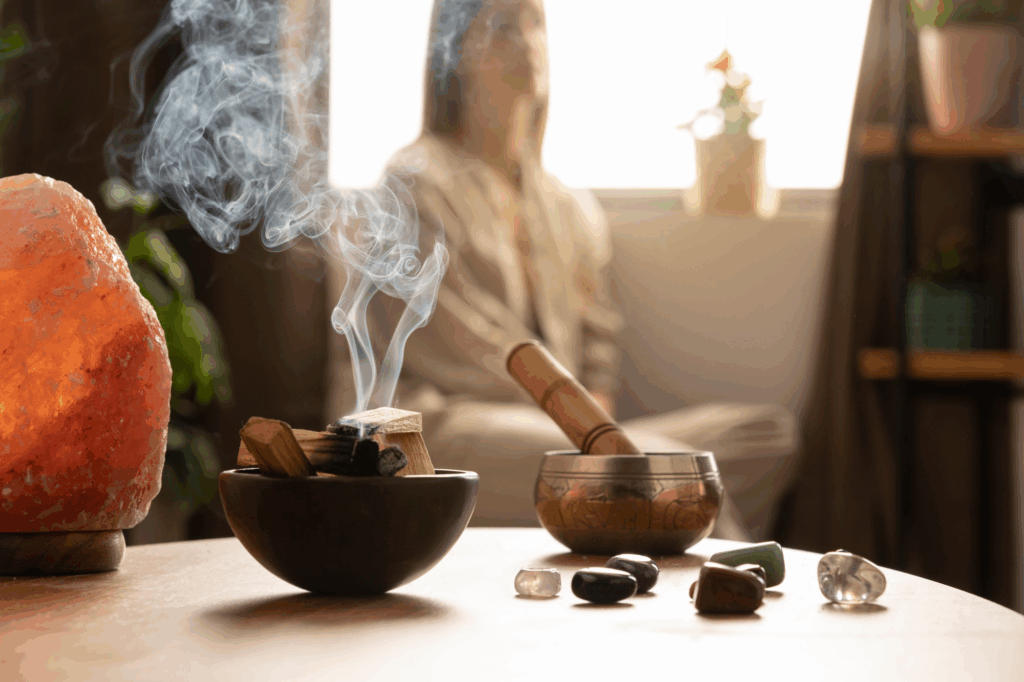
Holistic medicine encompasses a wide range of practices and therapies. Some of the most common include:
Food is viewed as medicine in holistic health, with dietary recommendations tailored to individual needs and conditions. At Tigris Valley, our nutrition experts design personalized eating plans that support healing and prevent disease.
Plants have been used for healing throughout human history. Herbal remedies can support various body systems and address a wide range of health concerns with fewer side effects than many pharmaceuticals.
Various massage techniques improve circulation, reduce muscle tension, stimulate the immune system, and promote relaxation. Therapies like Abhyanga and Kalari massage offer unique benefits beyond conventional massage.
Techniques such as yoga, meditation, tai chi, and breathwork recognize the powerful connection between mental and physical health, helping to reduce stress and improve overall wellness.
Practices that support the body’s natural detoxification processes—including specialized diets, hydrotherapy, and herbal protocols—help eliminate accumulated toxins that can impair optimal function.
Approaches like acupuncture, Reiki, and qigong work with the body’s energy systems to promote balance and healing at deeper levels than physical interventions alone.
Holistic medicine doesn’t have to replace conventional medical care—in fact, the two approaches can complement each other effectively. This integrative approach combines the best of both worlds: the diagnostic precision and emergency care excellence of conventional medicine with the whole-person, prevention-focused approach of holistic health.
An integrative approach might look like:
At Tigris Valley, we embrace this integrative philosophy, recognizing that different health challenges may require different approaches. Our programs often support patients who are also receiving conventional care, helping to enhance outcomes and quality of life.
Tigris Valley represents the pinnacle of integrative holistic healthcare, bringing together multiple healing traditions in a serene mountain environment designed to facilitate transformation. Our approach differs from conventional settings in several key ways:
| Aspect | Tigris Valley | Conventional Medical Settings |
|---|---|---|
| Approach to Care | Holistic care blending multiple healing traditions | Focus primarily on conventional medical approaches |
| Treatment Style | Personalized treatments tailored to the individual | Standardized treatments for all patients |
| Environment | Serene, healing-focused environment | Clinical settings that can feel impersonal |
| Health Focus | Focus on overall well-being and prevention | Focus on treating symptoms of disease |
| Therapies Used | Natural therapies with minimal side effects | Pharmaceutical treatments with potential side effects |
Each program combines various holistic approaches, personalized consultations, and the healing power of our natural setting to address specific health concerns comprehensively.
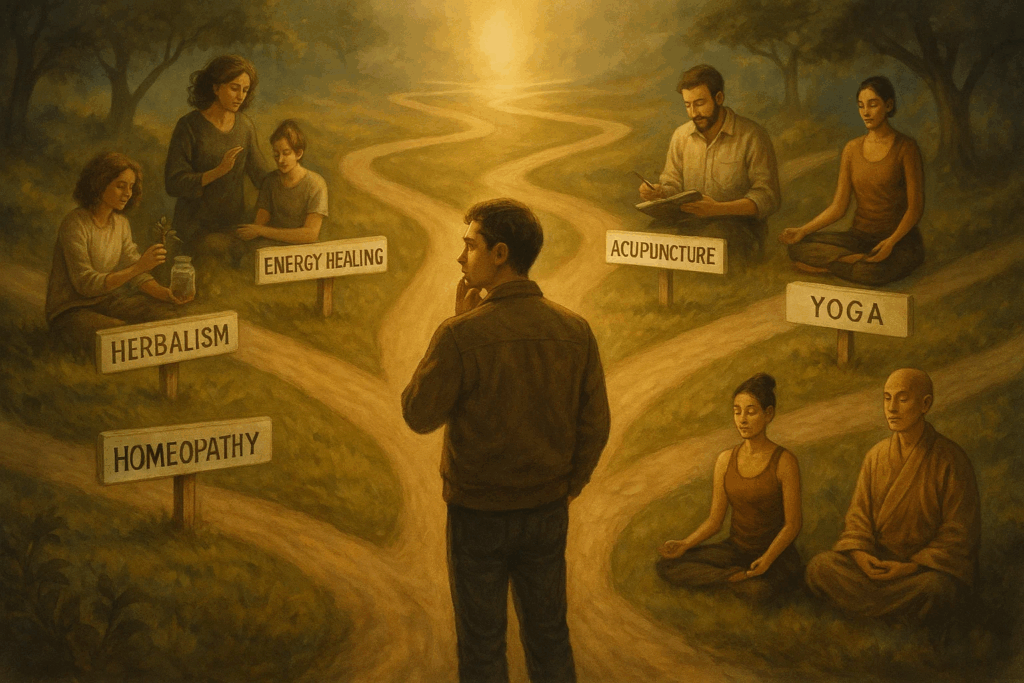
With so many holistic modalities available, finding the right approach for your needs can feel overwhelming. Here are some guidelines for choosing the holistic path that’s best for you:
Begin by clearly identifying your primary health concerns and what you hope to achieve. Are you dealing with a specific condition, seeking preventive care, or looking to enhance overall wellness? Different approaches excel at addressing different types of issues.
Take time to learn about various holistic systems and how they approach health. Consider which philosophies and practices resonate with you personally.
Reflect on your comfort level with different types of treatments. Some people prefer hands-on therapies like massage, while others might be drawn to nutritional approaches or mind-body practices.
Schedule consultations with practitioners from modalities you’re interested in. A good practitioner will take time to understand your needs and explain how their approach might help.
Programs that combine multiple approaches, like those offered at Tigris Valley, can provide more comprehensive care than single-modality treatments.
Pay attention to how you feel about different practitioners and approaches. Your comfort and confidence in a treatment plan are important factors in its effectiveness.
You don’t need to overhaul your entire health approach at once. Begin with one or two modalities that address your primary concerns, and adjust your plan as you observe results.
Holistic medicine considers all aspects of a person’s health—physical, mental, emotional, and spiritual—rather than focusing solely on specific symptoms or body parts. It recognizes the interconnectedness of these different aspects and seeks to address root causes of health issues rather than just managing symptoms.
Many holistic approaches have substantial research supporting their effectiveness, though the level of evidence varies by practice. Fields like nutrition therapy, mind-body medicine, and certain herbal treatments have strong scientific backing, while research continues to expand for other modalities. At Tigris Valley, we emphasize approaches with both traditional wisdom and scientific support.
Holistic medicine works best as a complement to, not a replacement for, conventional medicine. While holistic approaches excel at prevention, chronic disease management, and enhancing overall wellness, conventional medicine remains essential for acute conditions, emergencies, and precise diagnosis. An integrative approach that utilizes both offers the most comprehensive care.
The timeline for results varies depending on the condition, the specific approach, and individual factors. Some people experience immediate improvements in symptoms like pain or stress, while chronic conditions may require several weeks or months of consistent treatment to show significant changes. Holistic medicine often focuses on sustainable, long-term improvements rather than quick fixes.
Insurance coverage for holistic treatments varies widely by provider and location. Some approaches like acupuncture, chiropractic care, and nutritional counseling are increasingly covered by insurance plans, while others may require out-of-pocket payment. Check with your insurance provider about specific coverage options.
Look for practitioners with recognized credentials in their field, such as licensed naturopathic doctors, certified herbalists, or registered dietitians specializing in integrative nutrition. Research their education, certifications, and professional affiliations. Personal recommendations and patient reviews can also provide insight into a practitioner’s effectiveness.
Yes, holistic approaches can be beneficial for people of all ages, though treatments should be adapted to age-specific needs. Many holistic modalities offer gentle, non-invasive options particularly well-suited to children and seniors. Always work with practitioners experienced in treating your age group.
Holistic medicine sees chronic disease as a sign of underlying imbalance rather than simply a set of symptoms to manage. Practitioners seek to identify and address root causes—which may include nutritional deficiencies, chronic inflammation, stress, environmental factors, or lifestyle issues—while supporting the body’s natural healing capabilities.
Lifestyle factors like nutrition, physical activity, sleep, stress management, and social connections are central to holistic health. Practitioners typically place significant emphasis on lifestyle modifications as both preventive measures and treatments, recognizing that daily habits profoundly impact overall health.
You can begin integrating holistic approaches by paying attention to the mind-body connection, adopting a nutrient-dense diet, practicing stress management techniques like meditation, prioritizing quality sleep, staying physically active, and nurturing meaningful social connections. Even small changes in these areas can contribute to improved well-being.
Holistic medicine offers a refreshing alternative to fragmented healthcare approaches by honoring the interconnectedness of body, mind, and spirit. By addressing root causes rather than just symptoms, these integrative approaches can help achieve more profound and lasting health improvements.
Whether you’re dealing with a chronic condition, seeking preventive care, or simply aiming to optimize your wellness, holistic medicine provides tools and perspectives that empower you to take charge of your health journey.
At Tigris Valley, we’re proud to offer comprehensive programs that bring together the best of Ayurveda, Unani Medicine, Functional Medicine, and Nature Therapy in a serene mountain setting designed to facilitate healing. Our integrative approach recognizes that true health encompasses all aspects of being—physical, mental, emotional, and spiritual.
Ready to experience the transformative power of holistic medicine? Contact us to learn more about our programs and begin your journey toward complete wellness.